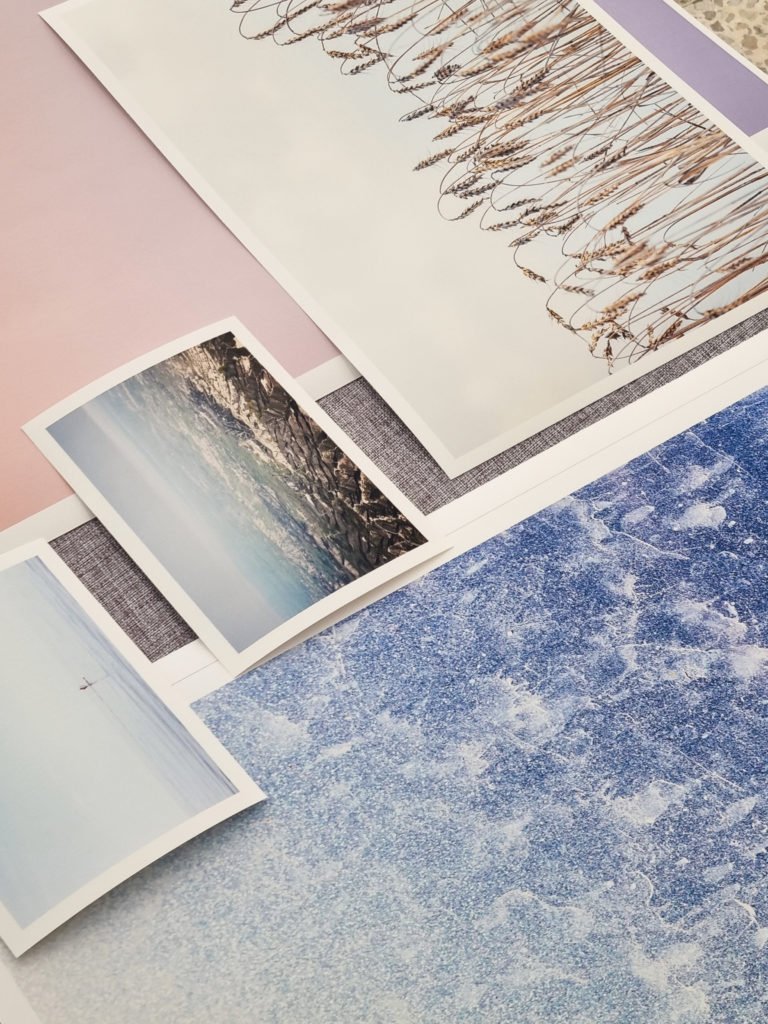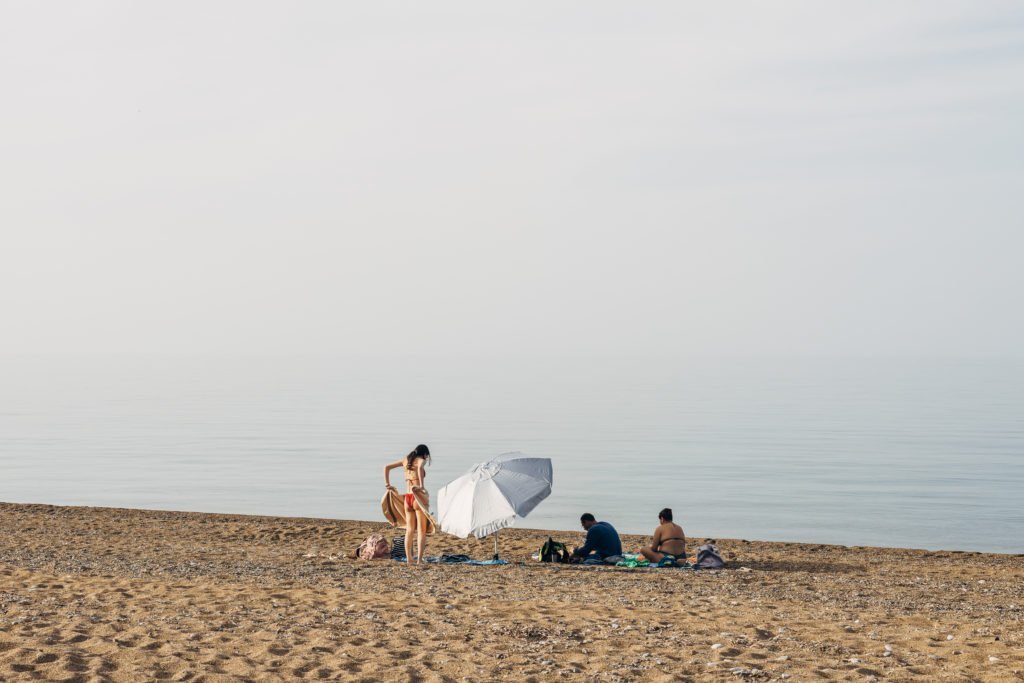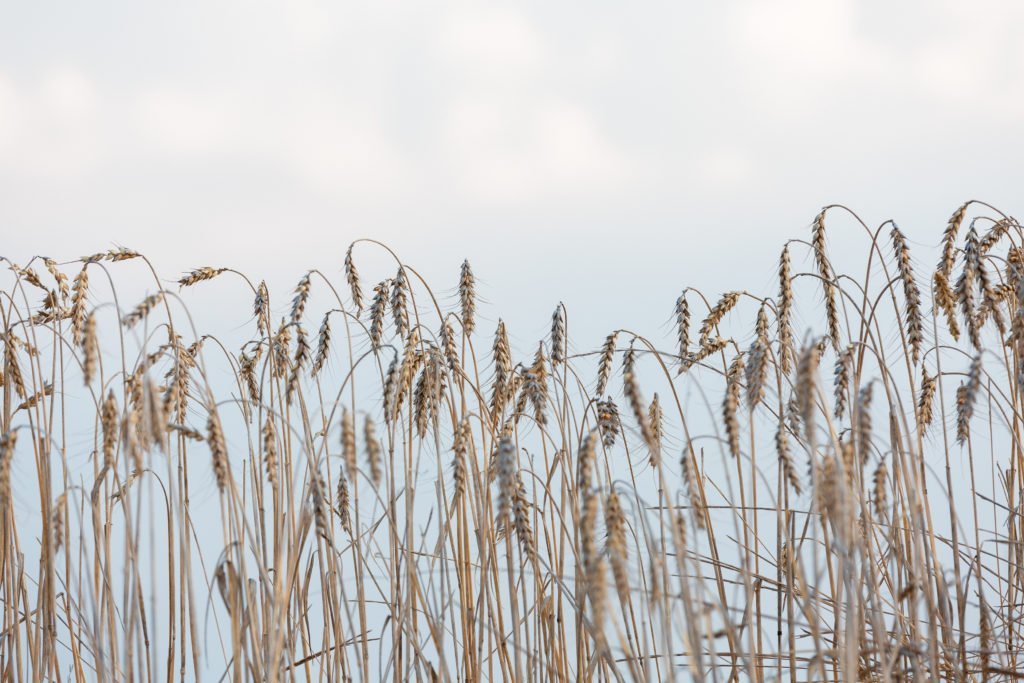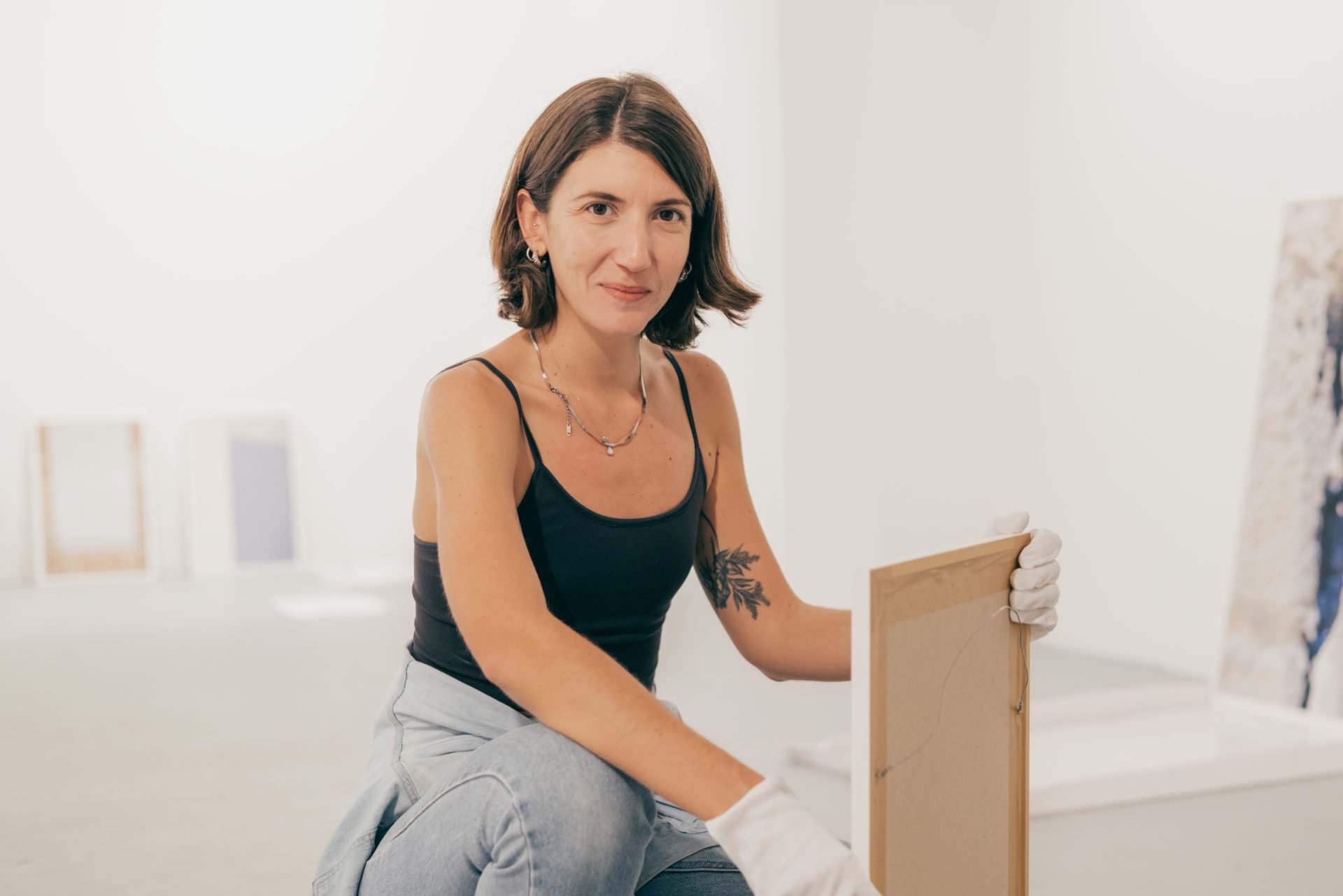
Photographer Emma Louise Charalambous says that the idea for her first solo exhibition was born out of a need for answers when she had been going through a health issue. After acknowledging how our environment affects our health, she began a four-year obsession with the air and the sky.
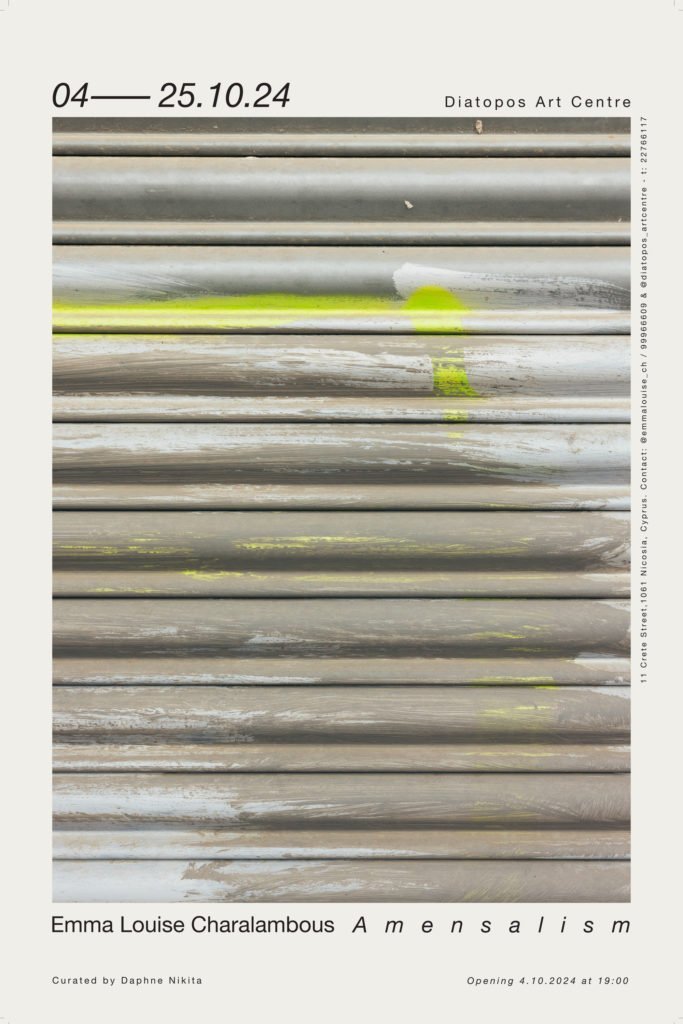
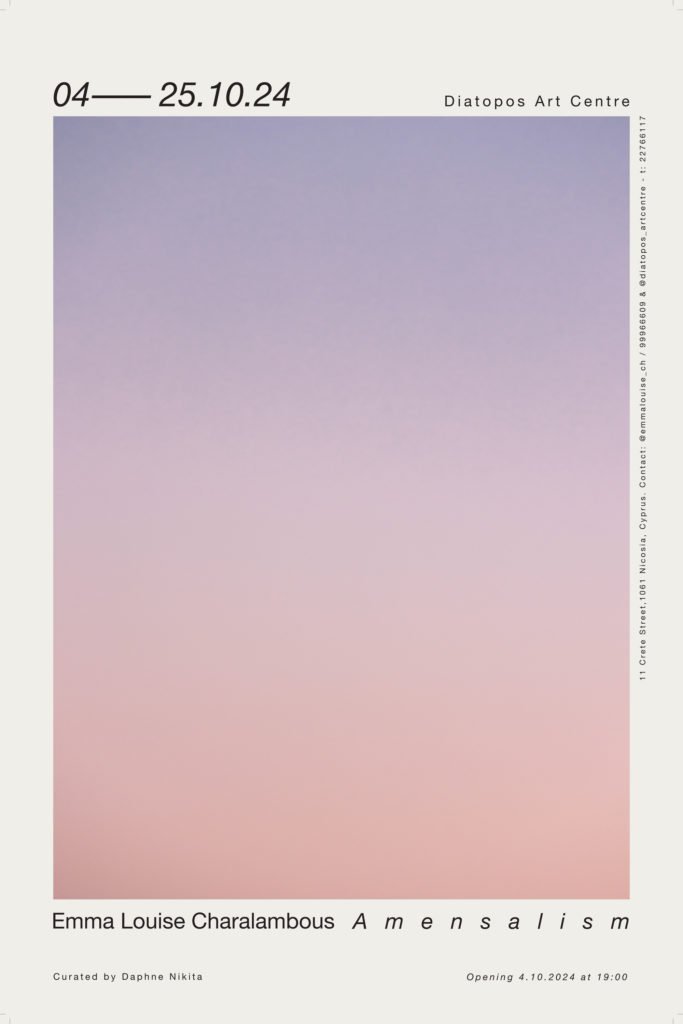
The result of this journey will be presented at the exhibition titled “Amensalism” curated by Daphne Nikita, which explores the power relations affecting environmental and urban politics in Cyprus.
The exhibition will run between October 4 and 25 at the Diatopos Centre for Contemporary Art in Nicosia.
Your background blends both sciences and the arts. How do you think this mixed background influences your work, especially in “Amensalism”?
I have always found it hard to separate the two, science and art. Science is a more disciplined and structured approach, whereas art allows a more liberal exploration of a subject – both work towards uncovering and presenting their own truth towards the world. For me, these two are inevitably intertwined mediums that can complement each other. “Amensalism” attempts to be a direct reflection of this, presenting research findings within the gallery space.
Can you explain the concept of “Amensalism” and how it relates to the themes of your exhibition?
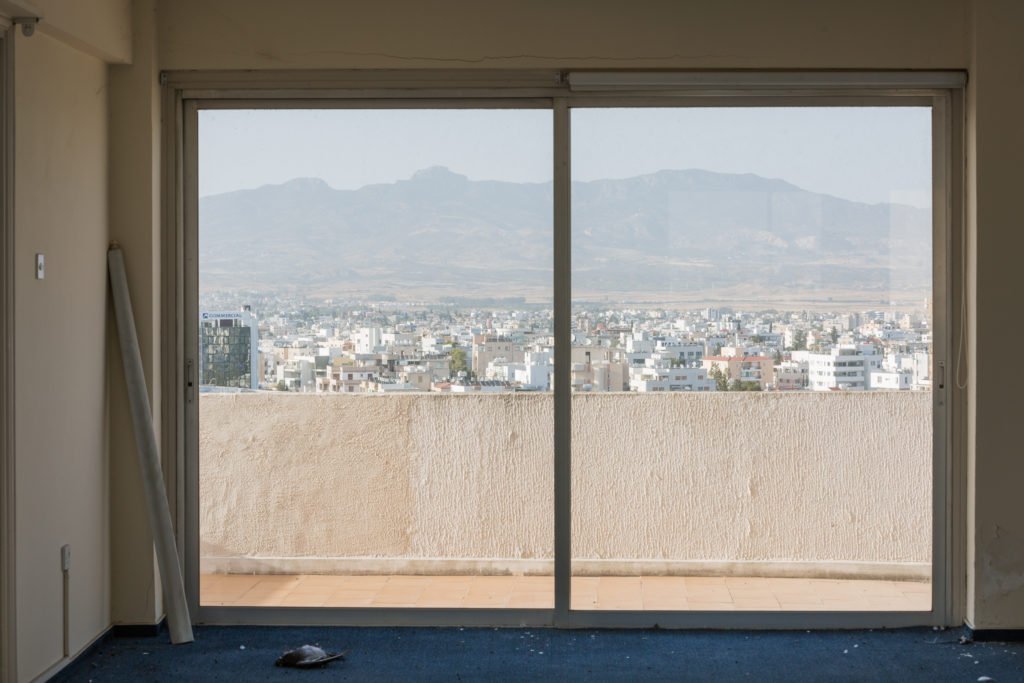
Amensalism refers to the one-sided power dynamic between two species, where one negatively affects the other, usually with no consequences for itself. I am presenting two bodies of work in this exhibition, both of which have this power imbalance at their core. My environmental project – “What’s Up With The Sky?” – dissects the causes and effects of air pollution, observing the impact human activity has on our environment, whereas my second project “Powerplay” questions the dynamics of expression and power of suppression playing out in our urban landscapes.
In “What’s Up With The Sky,” you explore the ecological and sociocultural impacts of air pollution. What inspired you to address this specific environmental issue?
This project was born out of a need for answers when I was going through a personal health issue myself a few years back. After not finding solutions through Western medicine, I began my own investigation to try and find ways to ease the discomfort I was going through. I noticed how reactive I was to my immediate environment and how our environment (both at home, but also in the greater sense) directly affects our health.
In Cyprus, we have more days in the year when ambient air quality is at ‘unhealthy’ levels than we have clear days. This seemed like an obvious place to start. From there, a four-year (and counting!) obsession with the air and the sky began. It is crazy to think how many lines and boundaries we have imposed in our everyday life, but the air we all breathe is not bound by that – it is all part of the same system, this little atmospheric bubble that we call Earth.
What role do you think art plays in raising awareness and driving action?
Art is just another way to relay a message right? To express a thought, to pose a question. When applied in the right framework to pose a specific question, the attention to a subject matter alone can spark conversations about it, and through that, awareness and understanding are born.
That, alongside the importance of documenting these real issues humanity is going through, as we are going through them, offers (for me at least) an easier way to process what is happening. There are so many moving pieces in the grander scheme of things, that observing and presenting the ways they are manifesting around us helps keep track of these changes and helps associate effects with cause.
Both environmental degradation and censorship share a common theme of power imbalance in your exhibition. How do you see these two issues connecting?
The one common thing between both projects is the human. I did not intend to present these two bodies of work together originally, but as the work grew, the overlapping theme of human ‘intervention’ within a system became more apparent. Simultaneously, both bodies of work are concerned with our spatial relationships to our environment, both on the urban and the global scale.
What do you hope viewers take away from the interplay between these two seemingly different topics—air pollution and urban censorship?
I hope people are engaged by my findings and my work, and that they begin to notice for themselves the small everyday evidence of how these two issues manifest around us. I want to stimulate the viewers’ observation skills, so they can become watchful witnesses to this ever-changing power play that is progressively unfolding.
As a self-taught photographer who later pursued formal training, what advice would you give to emerging photographers?
No academic degree or formal training will make you a photographer. Discipline, persistence and hard work will get you there. You can teach someone lighting and technicalities, but you can’t teach work ethic and passion – those have to be there, and they are the muscles that need to be exercised the most. Mistakes will happen, and they are valuable. Nothing refines us better than experience does.