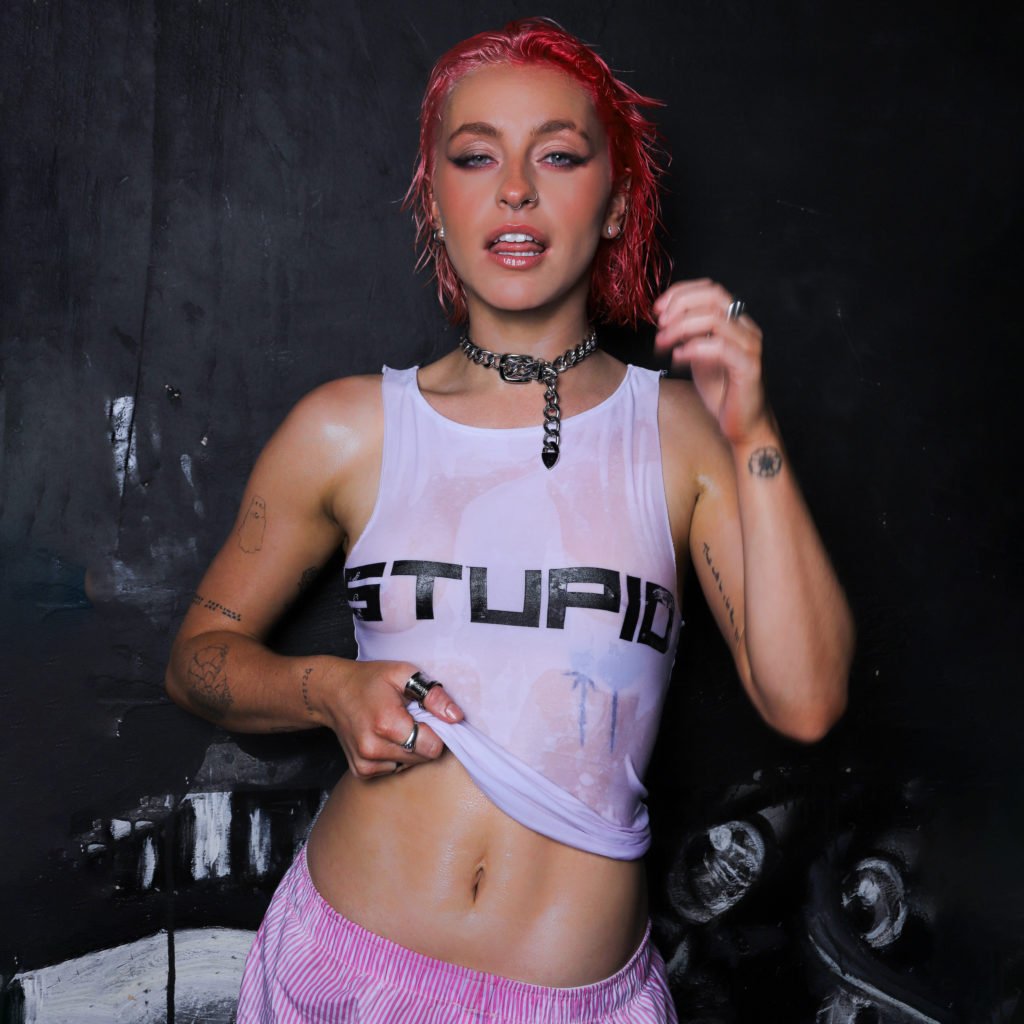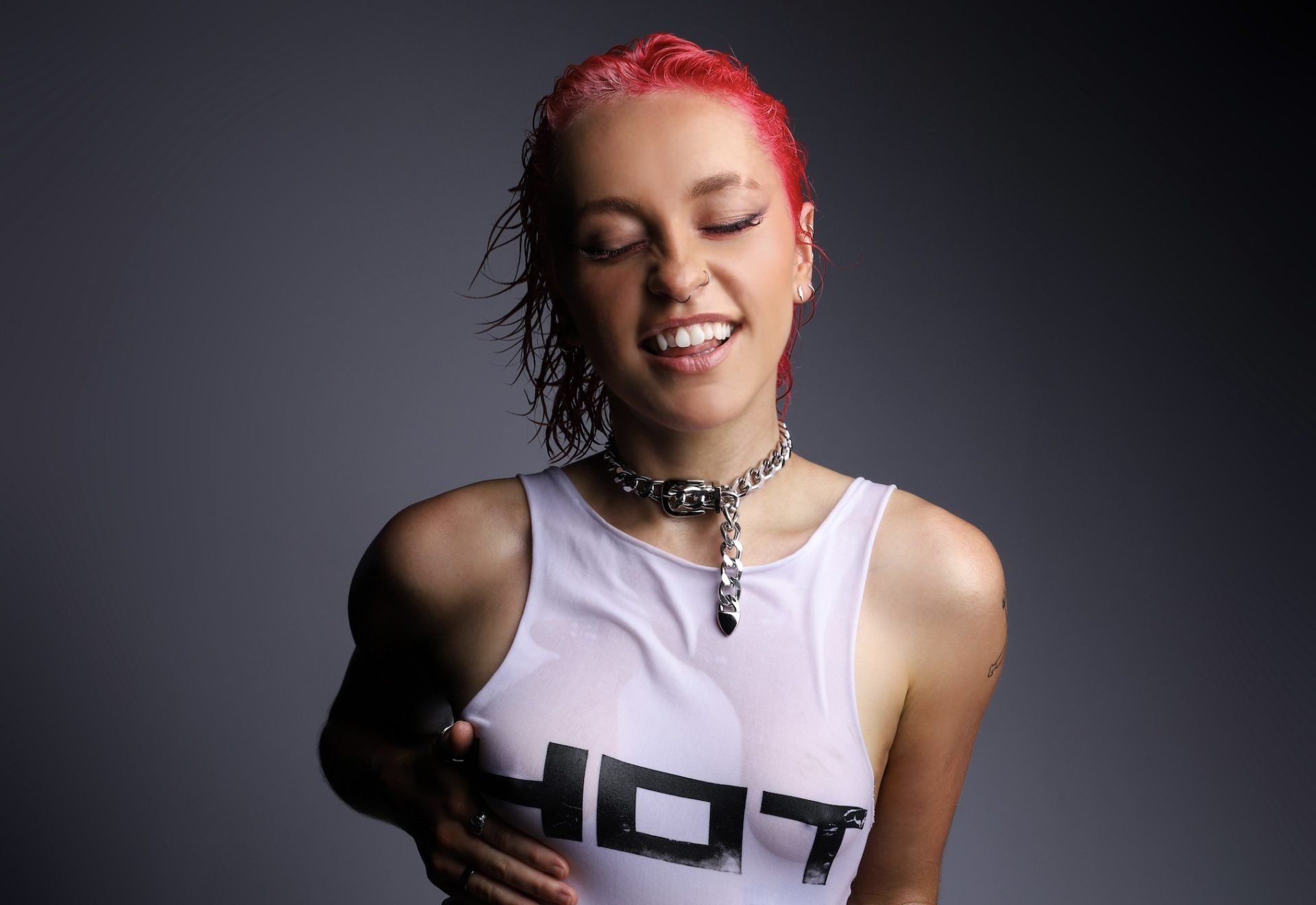
Beth McCarthy, an English singer-songwriter whose popularity has surged in recent years, is fast becoming a household name worldwide, especially within the LGBTQ+ community.
Since she first started busking on the streets of York and competing on The Voice UK, she has become an internationally touring pop-rock powerhouse, and her journey has been nothing short of electrifying.
With her candid songwriting, unapologetic queer anthems, and viral fan interactions, she’s captured the hearts of millions.
As she prepares to headline the Fengaros Music Festival, we talked with Beth to discuss her artistic evolution, her global audience, and the powerful authenticity that defines her music.
1. Reflecting on your journey towards your current sound and success, what’s one key shift in your songwriting or performance approach that truly defines your artistic growth over the years?
I believe the main shift for me, both in my songwriting and performance, was when I started to fully embrace my individuality.
I spent a lot of years trying to fit in with what was popular or what I thought people wanted me to be, but as soon as I leaned into really having fun with my songs and on stage, it felt like my identity as an artist just fell into place.
Nothing has ever served me better in music than just being completely myself, and I feel really lucky that I’ve found success by just being me!
2. From the UK and Europe to Australia and now the US, your international touring has exploded. What’s been the most surprising difference in audience reception or energy across different countries?
It’s always crazy to go to another country and people know my songs. I’ve played shows in the UK for my whole life, so I think it’s easier to see and understand that growth, but going over to places on the other side of the world and playing to rooms of people who know me and my songs is something that I don’t think ever feels truly real!
It’s also so special to play in countries where English isn’t the first language. I played a show in Prague, and there were a couple of people in the audience who didn’t speak one word of English but came to the show because they loved the music.
It’s so amazing that even when we don’t understand each other’s language, music still connects us and allows us to share in something magical together!
3. Your music beautifully blends humour with vulnerability, especially in your LGBTQ+ themes. How do you strike that balance in your songwriting?
Honestly, I find it quite tough to strike the balance sometimes! I’m a very emotional person and naturally want to convey that in my music, but I also want people to have fun when they listen to my songs and come to my shows.
I think that’s why I get invested in writing/releasing projects rather than just singles, because it feels like I get to write all the little pieces of my heart instead of just one.
If you look back on my discography, you’ll see that everything sits in ‘eras’ and groups of songs work together in their own little pocket. In each of those pockets you’ll find a bunch of different emotions and experiences ranging from super vulnerable to super silly!
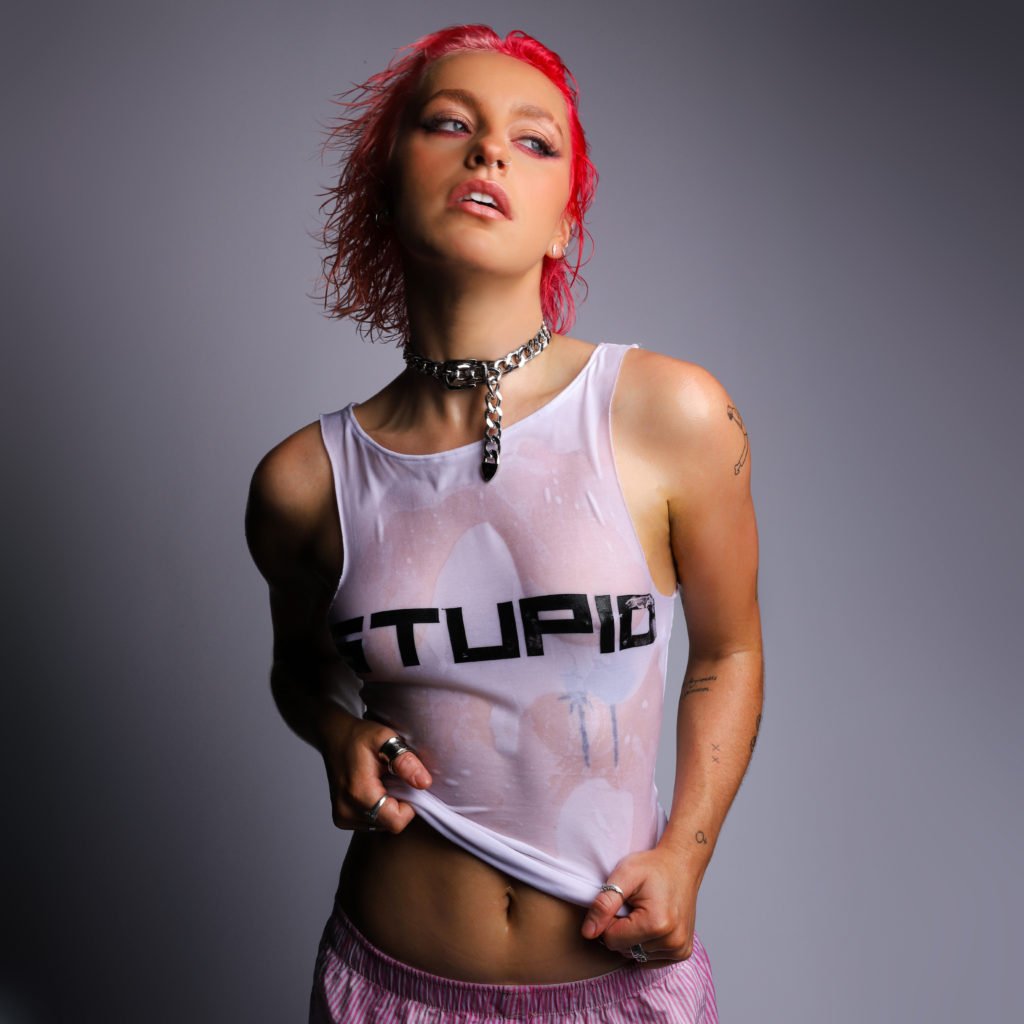
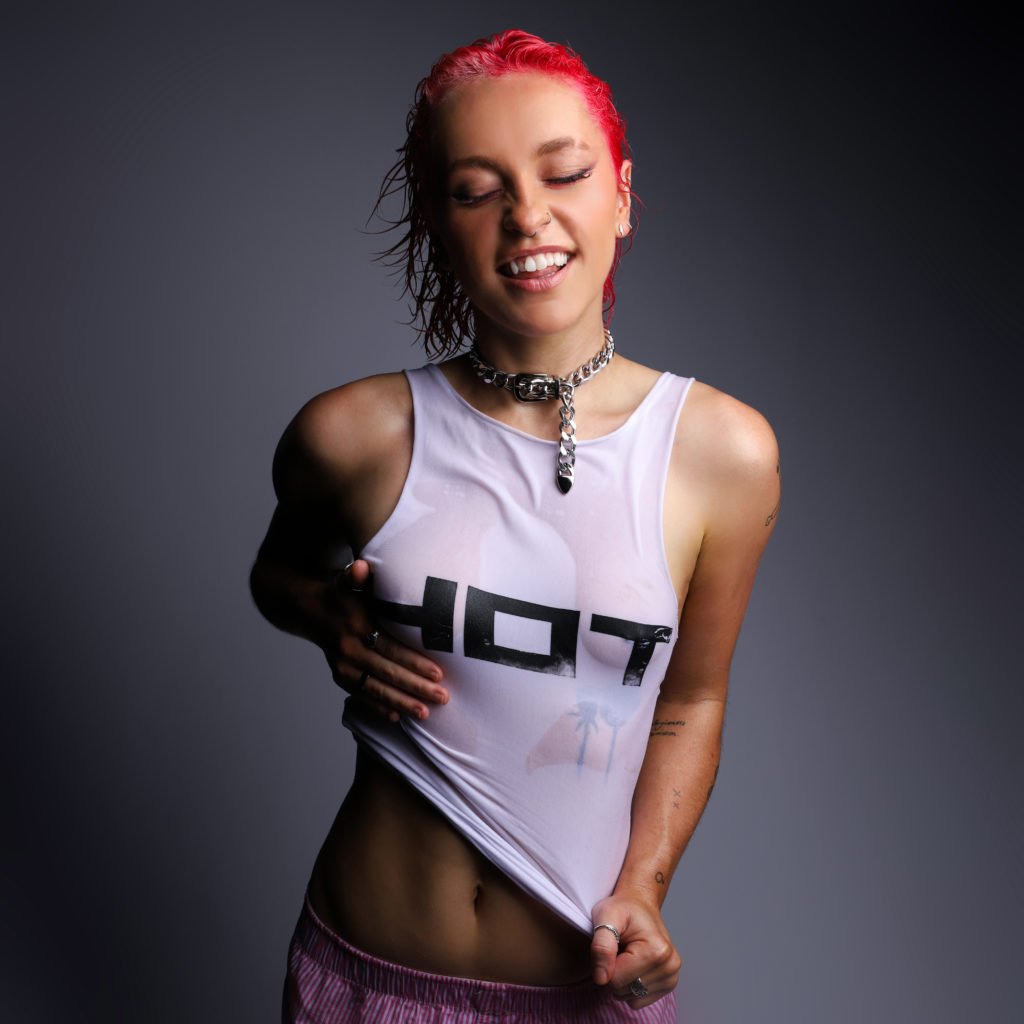
4. Your ‘IDK How To Talk To Girls’ EP has been described as your most authentic work. What specific elements or feelings did you tap into to achieve that level of authenticity, and how has your music evolved in your latest ‘Hot and Stupid’ album?
‘IDKH2T2G’ feels probably the most authentic because it’s the first time I really explored my queer experiences in my music.
Before that EP, I’d always been too scared to sing about girls and so had only shown a very small and probably quite guarded side to my songwriting.
From ‘IDKH2T2G’ onwards I’ve been very unapologetic in my writing and tried to dig a little deeper into topics and feelings that I hadn’t really allowed into my music before.
On from this, the Hot & Stupid EP feels like my most authentic work sonically – I’ve always been a band kid at heart, and I got to really lean into that on this EP. I played a lot with my vocal performance and building different sections, which I think allowed my identity to really shine through on this record.
It’s the first time I’ve felt fully locked into being me, and I’m so excited to see how that continues to evolve in my next songs.
5. How has your own queer experience shaped the narratives and emotions you explore in your songs, and what specific messages do you hope to convey to other queer individuals through your music?
I wrote the ‘IDKH2T2G’ EP almost as a chronological storytelling of me figuring out my queerness and what it meant to me.
When I was a teenager and having all these feelings, there weren’t really any songs that represented my experiences, so I decided to write them myself in the hope it would make someone like me feel ‘seen’ in what they’re going through.
I think my main message would probably be that there isn’t a ‘one size fits all’ when it comes to being queer. It’s okay if you haven’t got it all figured out yet, or if you thought you had but then it changes!
Sexuality and identity can be fluid, and no one should ever feel scared to be 100% who they are. My favourite phrase is ‘a label should fit you; you shouldn’t fit a label’, and as long as you are happy and true to yourself, it doesn’t matter what you call it.
6. How do you balance the vulnerability and personal truth in your lyrics with the desire to create something universally relatable? Are there lines you won’t cross in terms of personal revelation?
It’s always such a balancing act for me because above all else I love writing songs that people can relate to.
Almost everything I write is inspired by my own feelings and experiences, but sometimes that’s only in the concept or the title or even just a lyric – it’s easier to write something universally relatable if you don’t get overly attached to the specifics.
I tend to write about a situation a long time after it happened because I find it really hard to articulate my feelings about something (and make it into an actually good song!) when I’m still in it.
Having the space and perspective on an experience makes the creative process much more free and more fun for me!
I also like that songs can become their own stories because then you get a bunch of different songs out of one experience rather than just one super specific one.
7. Your concerts have become known for incredibly genuine and fun moments of connection with fans. What is it about these unscripted interactions that you find most rewarding, and how do they feed back into your sense of purpose as an artist?
Honestly, I just love human connection, and performing live is where I get to feel that the most, so I try to create as much opportunity for both myself and the fans to experience each other at my shows as possible.
As an artist you’re often in a position where everyone in a room knows so much about you and your story, and you know almost nothing about them, so having these interactions at my shows gives me the chance to get to know my audience better, which ultimately helps me to understand them more.
That, then, influences my music and performance. I want everyone who takes the time to listen to my music and support me by coming to my shows to feel like they’re an important part of me doing what I do.
I wouldn’t write music if it wasn’t for them, I wouldn’t be able to live my dream as a performer if it wasn’t for them! So I want them to feel as much a part of it all as I feel they are.
8. As a proudly bisexual artist often referred to as a ‘bi icon,’ you’ve been vocal about bi-phobia and bi-erasure. How has confronting these experiences personally and within the broader LGBTQ+ community, fuelled your songwriting and advocacy, and what message do you hope listeners take away about the bisexual identity from your music?
For a long time I really rejected labels. I was happy in the all-encompassing label of ‘queer’ because it felt limitless, and that was where I thought I’d stay in both my personal life and music until I realised how much power there is in representation and how little representation there is of bisexuality in music/media.
I never set out to be a bisexual advocate; I just think it’s really important that bisexual people feel represented and seen and valid both in the queer community and generally in music/media, so if I can help to do that, even in the smallest ways, I will.
I LOVE my queerness; I’m so proud of it, and that doesn’t change with the gender of the person I’m dating. There shouldn’t be an expectation of what ‘bisexuality’ is or should look like; it’s different for everyone and no less valid or welcome in the LGBTQ+ community than anyone else.
9. You’re headlining Fengaros Music Festival. What excites you most about bringing your live show to this new cultural setting, and what do you hope for the audience to take away from your performance?
I love performing in new places because you never really know what to expect! I’m super excited to see what Fengaros has to offer, and my only hope is that people walk away from my set feeling a little happier or even a little more empowered than they did going into it!
Being on stage is my favourite place to be, so if I can make the audience feel even a tiny percentage of the joy I feel when I’m up there, I’ve done my job!