


If only organised crime were the whole of it. It isn’t even close. Public rage is building from many directions at once — and almost all of it is sustained by a single cause: the total absence of political will.
There may be some grudging sympathy for the difficulties of tackling organised crime. For everything else, there is none whatsoever. How could there be? Consider the most straightforward issue imaginable: the multiple state pensions drawn by public officials. It comes back around every few months, still unsolved, as though it carries the complexity of the Cyprus Problem and the Middle East crisis combined.
Years of debate, and nobody can just end it? The latest fix passed by parliament — after interminable discussion — has been ruled unconstitutional by the Attorney General. Back to square one. And then they wonder why people are furious. How could they not be? Is this really a problem that gets to drag on forever? The truly damning part is that both the government and parliament know perfectly well that this issue, more than almost any other, causes volcanic public resentment. And still it sits there. Still unresolved.
As do dozens of others. The Central Prisons. How many years have we been hearing about the mobile phone problem? They cannot — apparently — install a jamming system. We paid for one. Then we paid for another. Neither worked. Excuses followed. But excuses have a shelf life. We are long past it. This is no longer about prisoners keeping in touch with their families. This is about criminals running operations from inside their cells. Everyone knows it. It is treated, somehow, as normal.
Does anyone actually know what is happening with the major infrastructure projects that were suspended because they weren’t progressing? Suspended — and no one can say when or how they will ever be delivered. How many years have citizens been promised a solution to the energy problem, while the state cannot even complete half the natural gas terminal at Vasilikos? And the public keeps paying. Millions. Then more millions.
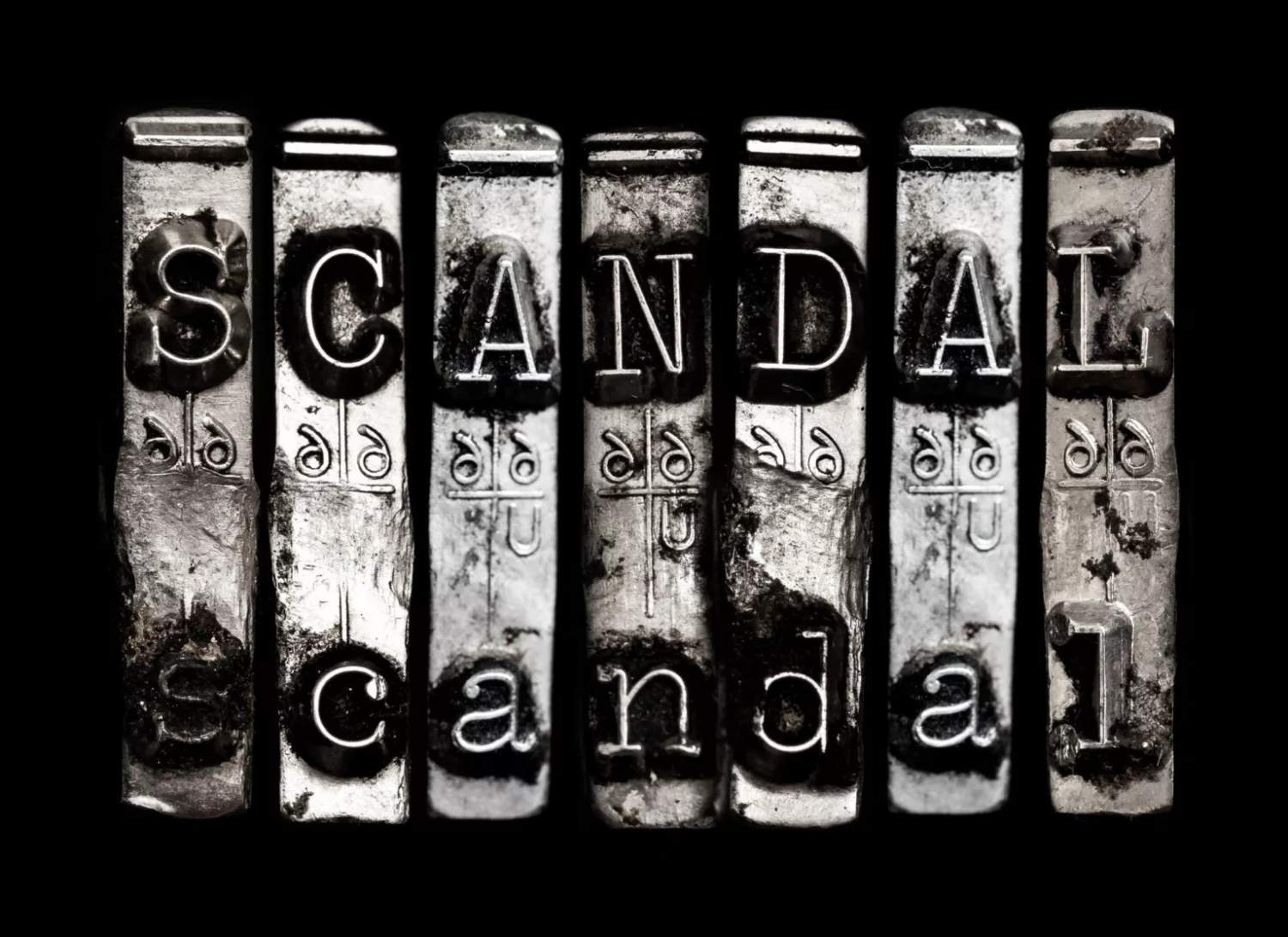
Then come the cases now finally under investigation. The Phedon case — which should have been investigated ten years ago. The Koumas case — which should have been investigated twelve years ago. Heaped on top of a mountain of prior failures. Each one met with the same paralysed non-response from the state. The great scandals of the Paphos sewerage system and Dromolaxia — let’s not pretend this is something new — festered for years before anyone in authority so much as ordered an inquiry. Both eventually put people behind bars. Both were left to rot for far too long before a single official moved a finger.
And we’re not even talking about the length of the investigations themselves, which take as long as they take. We’re talking about the years — the wasted, inexcusable years — before any state official even picks up the phone to order one. Cowards and incompetents, leaving everything to curdle. And because people find out — because word spreads, because today it travels from screen to screen in seconds — they lose faith altogether. Everyone is corrupt. Everyone is bought. Everyone is the enemy of the people.
So here we are, buried. The responsibility on the government, the authorities, and the parliamentary parties is crushing. Deliver results on the outstanding issues — all of them — or the slide will not stop.
Nobody wants to hear about procedures, studies, and organisational frameworks anymore. That excuse gets wheeled out with a pious nod to the rule of law, to rules and regulations.
What is needed now is decisiveness. Results. On infrastructure. On energy. On investigations. On prosecutions. And if getting there means bypassing or rewriting laws and regulations as though this were a national emergency — then do it. Do it now.
Because once you’re at the bottom, getting back up is very hard indeed. And we are very nearly there.

