


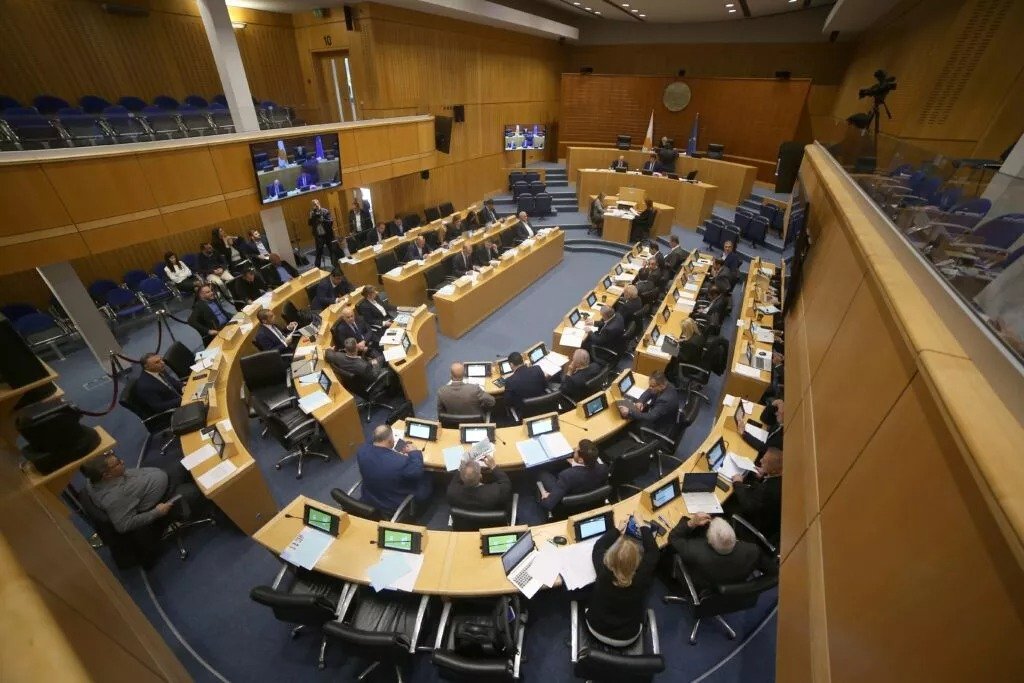
If there’s one defining characteristic of the current political landscape, it’s its exceptional fluidity. This state of affairs has left all political camps uncertain about what lies ahead.
The 2026 parliamentary elections represent a crucial turning point for all parties and their leadership, and the challenge is finding the golden formula to prevent new disasters – which this time could prove utterly devastating for some.
The results of the June 2024 European elections weren’t a mere anomaly or a knee-jerk reaction from voters. They represented a conscious decision to send a message to the traditional political establishment. Fidias Panayiotou became the embodiment of this protest for a significant portion of the electorate. Their choice was primarily driven by a desire to punish traditional parties rather than by political conviction. That’s why many soon came to regret their decision.
However, this hasn’t changed the fundamental antipathy that a large segment of society feels towards the political system. Multiple factors contribute to this, and it’s overly simplistic to attribute this reaction solely to the daily hardships citizens face. While the financial struggles that each household must manage certainly fuel society’s anger and disappointment – feelings that are naturally directed at parties and politicians – there’s more to the story.
There’s also another substantial segment of society, particularly among young people, that’s completely disconnected from politics and political parties. It’s alarming to realise that many people don’t even know who leads the various parties. They’re unfamiliar with the parties themselves and the ideological positions they represent. Youth wings of almost all political parties are either disbanded or barely functioning due to lack of interest. Many people aren’t even aware of what should be basic civic knowledge.
For instance, they don’t understand how Parliament works, how the Constitution of the Republic of Cyprus functions, how the European Parliament operates, and various other fundamental aspects. They’re also unfamiliar with this country’s modern history, how we arrived at 1974, what BBF means as a solution model, why it’s being discussed, and what it entails. This isn’t about educational levels – even individuals with impressive academic credentials and professional expertise in various fields show complete indifference to politics.
This environment breeds peculiar political phenomena. It’s extremely difficult for parties and politicians to reach this politically apathetic segment of society that lacks basic understanding of how the political system works. Those leaders who succeed do so by becoming political influencers, gaining recognition through social media rather than through their political positions.
Political messages, unfortunately, struggle to reach society. This should be a fundamental concern for all party leadership and party mechanisms. Meanwhile, we must consider the steady rise in support for extreme parties. Why do their messages reach society more easily? Why haven’t they experienced the same wear and tear as traditional parties?
The answers aren’t straightforward, and there certainly aren’t any quick fixes. This erosion didn’t happen overnight but was a process that took years.
That’s why reversing the situation will take time and considerable effort.

