


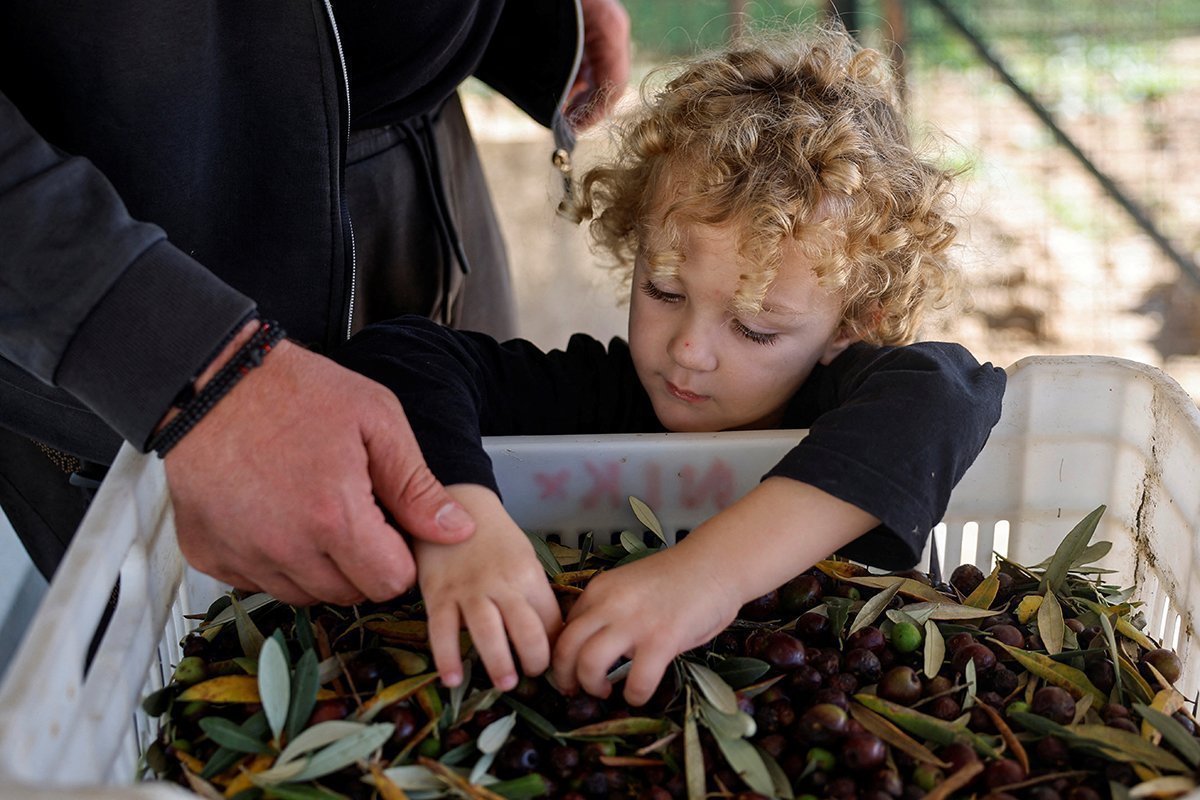
An olive farmer in Messinia, Greece, has offered a reward of 1,000 euros for the culprits who stole 36 sacks of olives from his field. Supermarkets in Spain are securing olive oil bottles with anti-theft devices. In Italy, many producers either set up night patrols around their fields or hire private guards to protect their crops.
All three of these countries are among the largest olive oil producers in the world. The problem is shared. Reduced rainfall, high temperatures, and diseases affecting olive trees in major olive-producing countries have directly impacted olive oil production quantities and, consequently, global olive oil availability. This has resulted in soaring prices.
So, where last year prices ranged around six to eight euros per litre, this year they have surpassed ten euros. In many cases, it’s not uncommon to see prices close to fifteen euros. According to the latest data from the International Monetary Fund, global olive oil prices have reached a 26-year high at almost 5,990 dollars per metric ton.
As a result, what was once a staple found in every household and a cornerstone of Mediterranean cuisine is becoming a luxury item. However, the issue goes beyond questions like “which oil should I use for my salad” or “how should I cook my beans.” Olive oil is not just a food item; it carries a particularly rich symbolic value.
From abundance, it has suddenly become rare and extremely expensive. Its scarcity is a political and social issue that leads to unforeseen situations. In many cases, consumers are frustrated and call on their governments to take action. But can prices be restrained when, on the one hand, there is a significant shortage and, on the other, there are those who will rush to exploit it?
Our grandparents would chuckle and shake their heads in disbelief. They probably never imagined that there would come a time when olive oil would cost as much as gold. For them, things were simpler since there was no household without at least a couple of olives to ensure that their home would have olive oil, if nothing else.
Consumers have few choices. They can either dig deep into their pockets or be forced to change their dietary habits by reducing their olive oil consumption. Neither option is ideal.

