


By Christiana Xenofontos*
Our legitimacy is once again lost, and is far harder to regain than any reputation abroad.
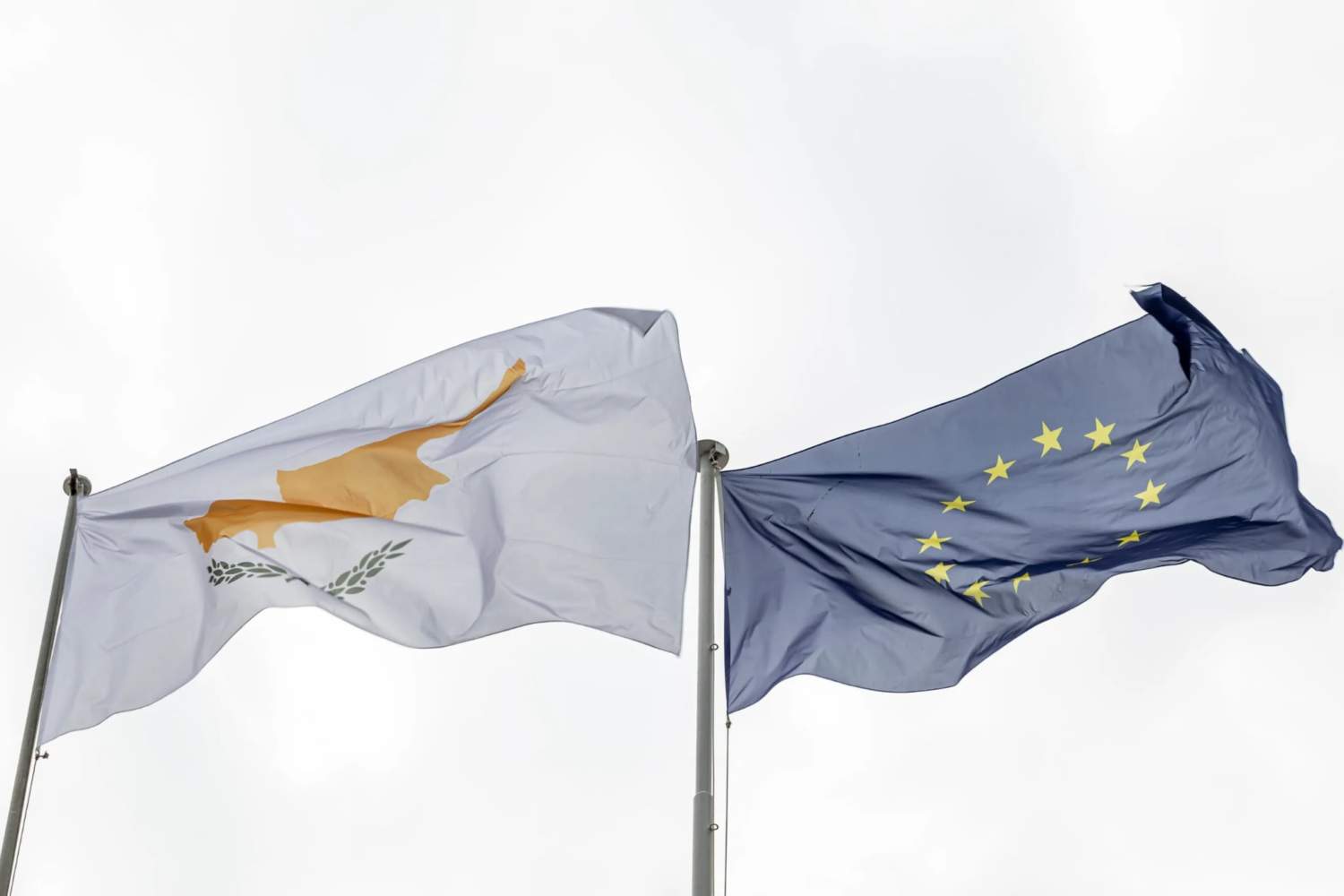
Cyprus has found itself in the international spotlight once more, but not for its presidency of the Council of the European Union, neither for its strategic role in a turbulent region, but rather for a political scandal that reinforces some of the worst stereotypes the country has been struggling to shed.
The leaked video circulating in recent days, regardless of the fact that its authenticity is still to be decided, has already caused tangible political consequences: resignations, investigations, international media scrutiny and a renewed debate about corruption, access, and power. But beyond the legal and political process that must now follow, there is a bigger question to be asked.
Is this the Cyprus we dreamt of?
Because what is at stake here is not only whether specific allegations will be proven true or false. It is the cumulative effect of what people see, hear, experience and how that shapes their relationship with politics itself.
For many citizens, this episode does not land in a vacuum. It arrives after years of scandals, half-answers, selective transparency and a persistent sense that political proximity matters more than merit, rules or accountability. Even when wrongdoing is denied, even when investigations are launched, the damage is often already done: trust erodes, cynicism grows, and politics feels increasingly distant from everyday life.
And this is how political disengagement is born. When people hear senior officials casually discussing access, influence, funding limits or “informal” channels of power, it reinforces a perception that politics operates in closed circles. That participation is unequal. That some voices matter more than others. And that a citizen is, at best, an observer.
This is not just a Cypriot problem. Internationally, we are living through a moment where power is often exercised with fewer explanations, weaker justifications and diminishing respect for rules that once at least pretended to matter. The erosion of trust in institutions is global. But for a small country like Cyprus, the cost is heavier. Reputation matters. Credibility matters. And so does the internal cohesion of society.
Yet it would be both unfair and dangerous to “reduce” Cyprus to this scandal.
Because Cyprus is also a country of people who work honestly, pay their taxes, comply with the rules and contribute transparently to the state. It is a society where the majority does not seek shortcuts, privileged access or hidden deals. A society that expects fairness not as a favour, but as a right. And it is precisely this gap between how politics is perceived and how society actually lives that fuels frustration.
What deepens the problem further is the illusion of renewal. In recent years, we have seen the emergence of new political formations presenting themselves as “anti-systemic” and fresh alternatives to the old order. Yet too often, beneath the rhetoric, the same patterns reappear: personalised leadership, weak accountability, vague positions on transparency, and an aversion to real institutional reform. New labels do not automatically mean new politics. When this happens, disappointment compounds. Citizens are not just disillusioned with the old, they lose faith in the possibility of change altogether. And that is perhaps the most dangerous outcome of all.
Because democracy does not collapse only through authoritarianism. It also erodes through indifference. Through the quiet withdrawal of people who no longer believe that participation matters, that integrity is rewarded, or that institutions belong to them.
So the question “Is this the Cyprus we dreamt of?” is not rhetorical. It is a call for clarity.
Not for collective self-flagellation, but for honesty. Not for dismissing concerns as “attacks” or “hybrid threats,” but for understanding why society is tired. Not for managing scandals, but for rebuilding trust, systematically, consistently and visibly.
Cyprus deserves better than recurring cycles of exposure and denial. It deserves a political culture that matches the integrity of its people. One where transparency is proactive, accountability is the norm, and participation is not a privilege but a responsibility.
Because Cyprus many of us still believe in and work for, is not the country of backrooms and blurred lines. It is the country that knows that democracy is not only about legality, but about legitimacy. And that legitimacy, once lost, is far harder to regain than any reputation abroad.
*Public affairs consultant

