


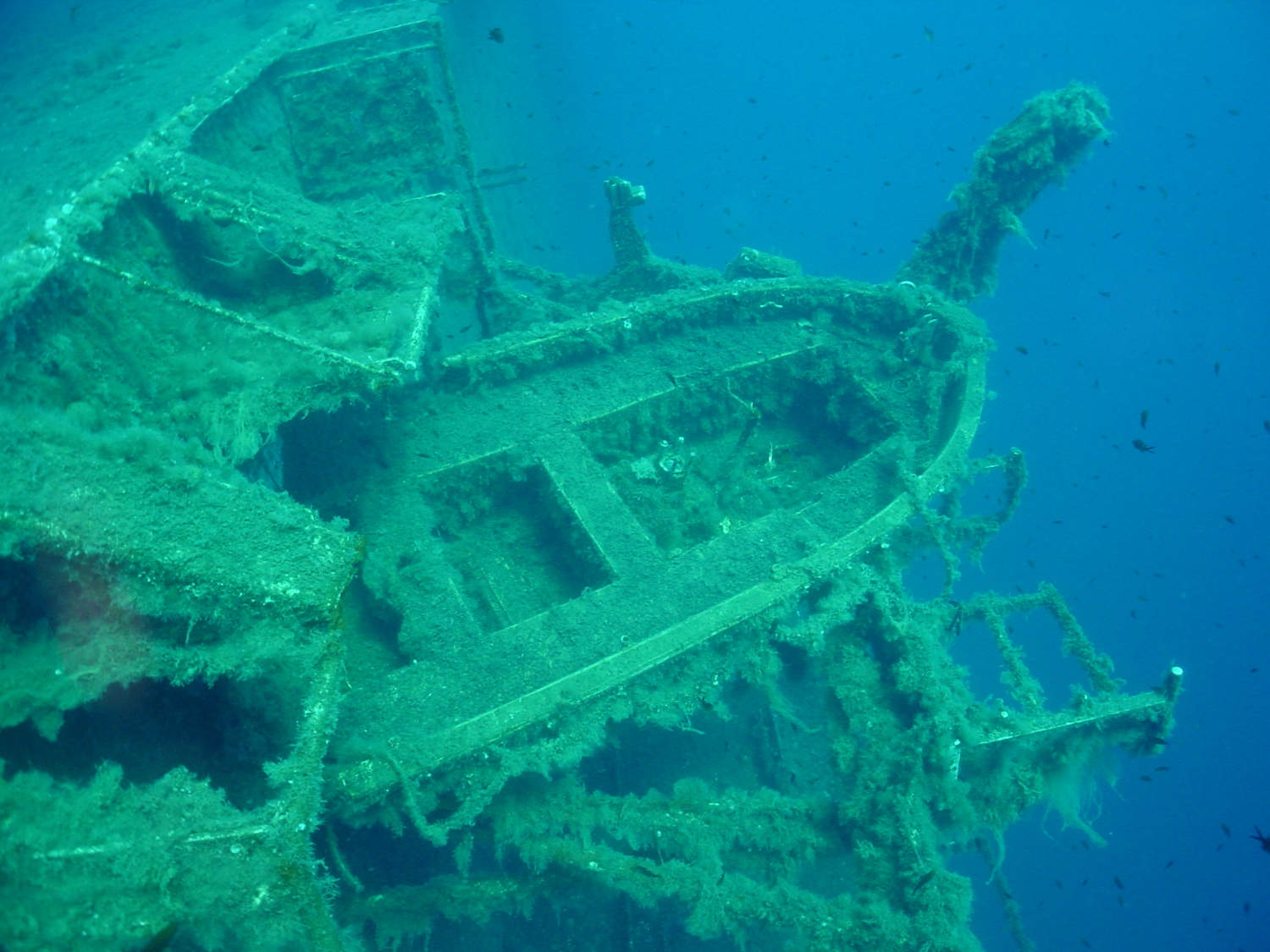
The British diver who died at the Zenobia wreck off Larnaca on Tuesday, his birthday, had been diving for 30 years and was busy taking photographs when the rest of his group realised they could no longer see him.
Nikos Nikolaou, president of the Cyprus Dive Centres Association, told philenews the 61-year-old had gone down with a group of divers who were all within five or six metres of one another, according to the account he was given by the dive centre that organised the trip.
“At some point they looked for him and couldn’t find him,” he said.
The group swam back to where they had last seen him and found him a little deeper, lying motionless on the seabed with his regulator out of his mouth. They brought him to the surface and onto their boat and began CPR, and the Port and Marine Police, who Nikolaou said arrived very quickly, continued resuscitation efforts on board their own vessel. He was pronounced dead at Larnaca General Hospital.
Nikolaou said the missing regulator suggested that whatever happened to the diver was sudden, since a loss of muscle tone can cause the mouthpiece to slip free. He did not rule out a sudden medical episode, but stressed there was not yet enough information to draw any firm conclusions about the cause of death.
Divers fill in a medical form declaring any health problems before every dive, and the man had declared none. “I believe that, whatever happened to him, he may not even have known himself that he had a problem,” Nikolaou said.
The Zenobia is one of the most famous wreck dives in the world and among the busiest dive sites in Cyprus. The 172-metre Swedish ferry sank about 1.5 kilometres off Larnaca in June 1980 on her maiden voyage, carrying 108 lorries loaded with goods, and now lies at depths of between 16 and 42 metres. The chance to explore the ship, her lorries and their cargo, along with the rich marine life that has grown around them, draws thousands of divers from Cyprus and abroad every year.
Nikolaou estimated the wreck may see around 60,000 dives a year, with three or four boats taking a combined total of about 150 divers out to the site every day.
As far as he could recall, five or six people have died at the wreck over the past few decades, though he said a distinction should be drawn between accidents directly linked to diving and deaths that may have medical causes. Given the sheer number of dives carried out in Cyprus each year, he said, serious incidents remain extremely rare.
Even so, he said, no safety regime, however strict, can rule out an accident altogether, because diving takes place in an environment that is not natural for humans and the risks are always present.
(Picture by Jetlife2)

