


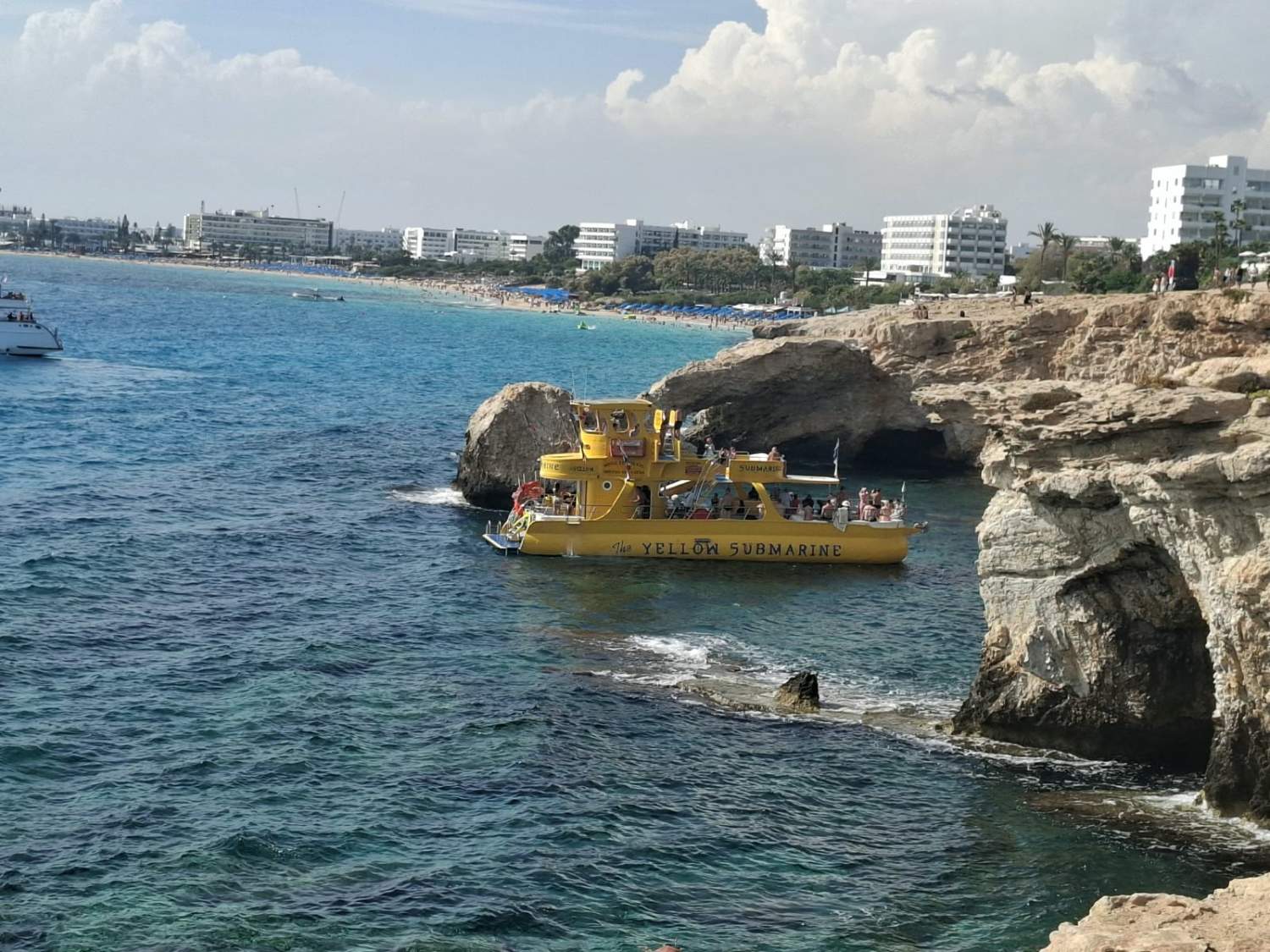
Environmental group Terra Cypria, the Cyprus Conservation Foundation, on Wednesday called for boats to be banned all year round from the Ayia Napa sea caves, one of the most important habitats in Cyprus for the endangered Mediterranean monk seal, after a site visit found pleasure boats, illegal fishing and other human activity putting pressure on the area.
The Ayia Napa Sea Caves marine protected area at Cape Greco hosts one of the largest subpopulations of the species in Cyprus, the foundation said. Yet boats are banned from passing through or anchoring in its core area only from 1 November to 30 April each year, while at the island’s three other protected sea cave sites the ban applies all year.
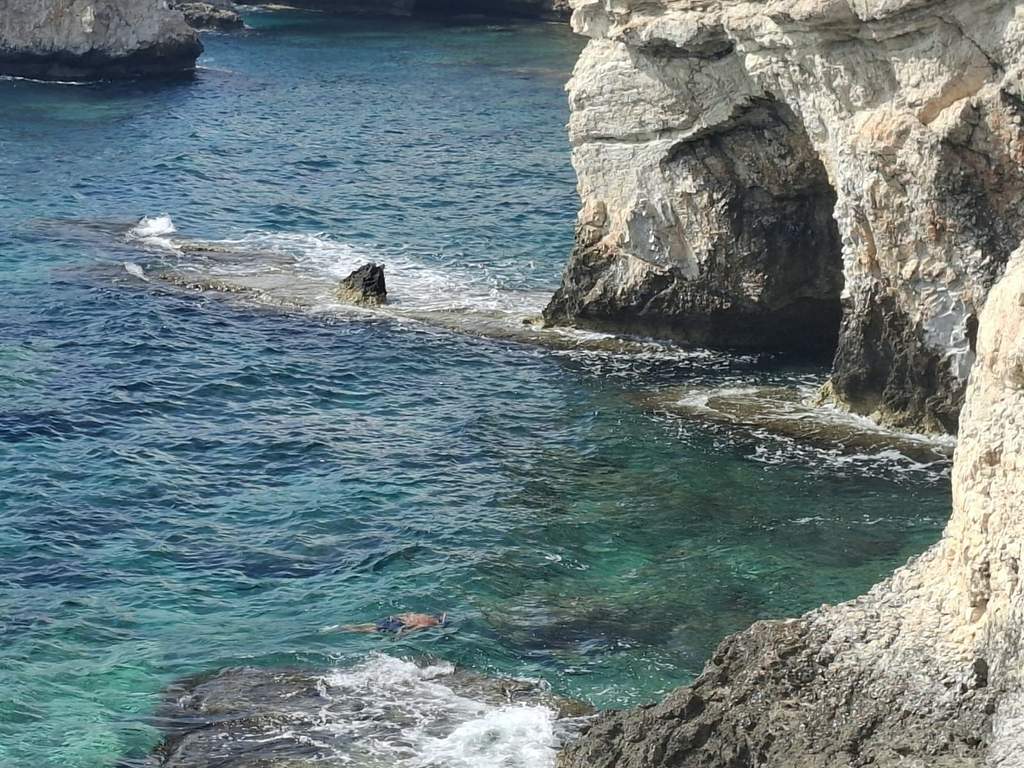
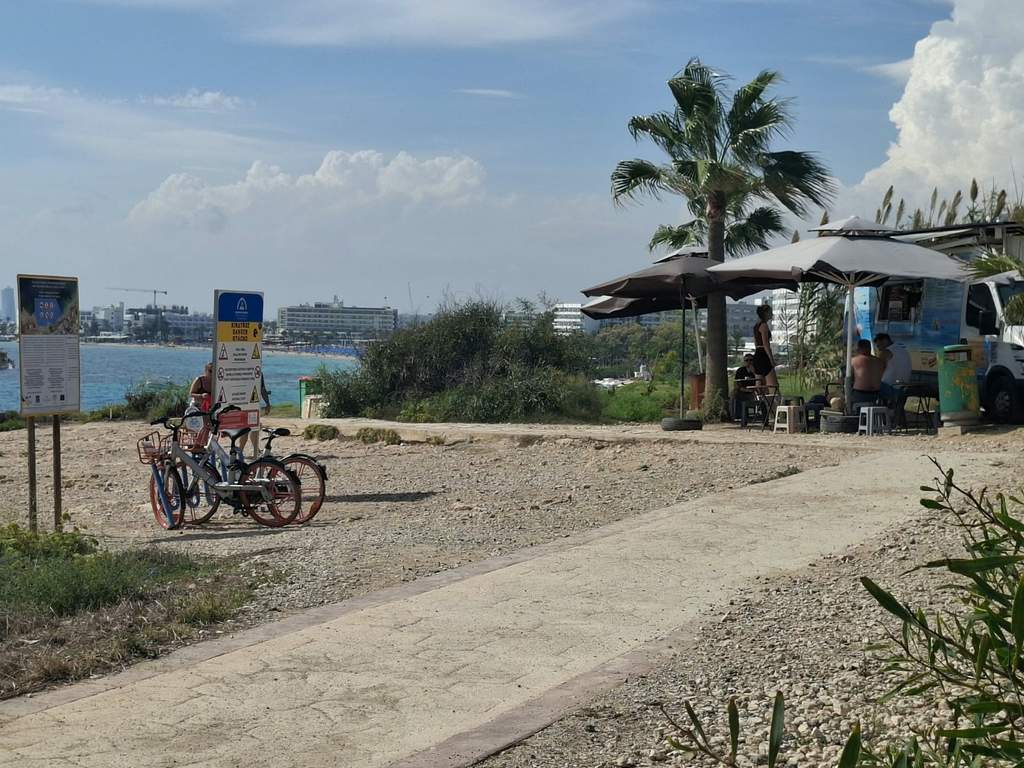
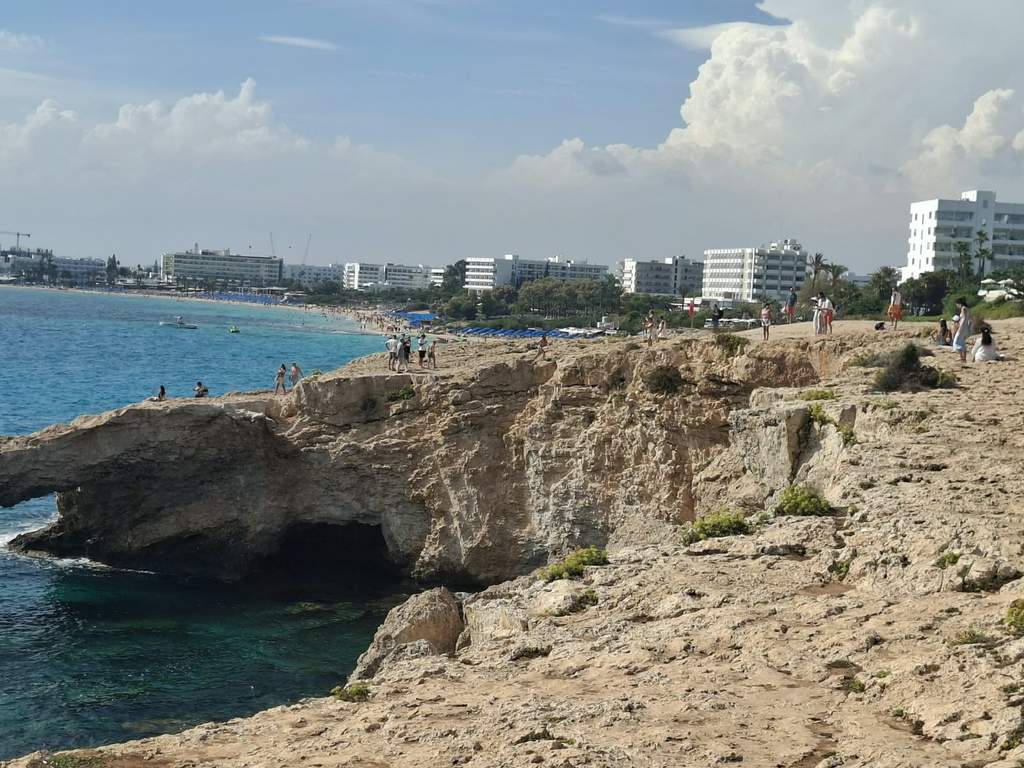
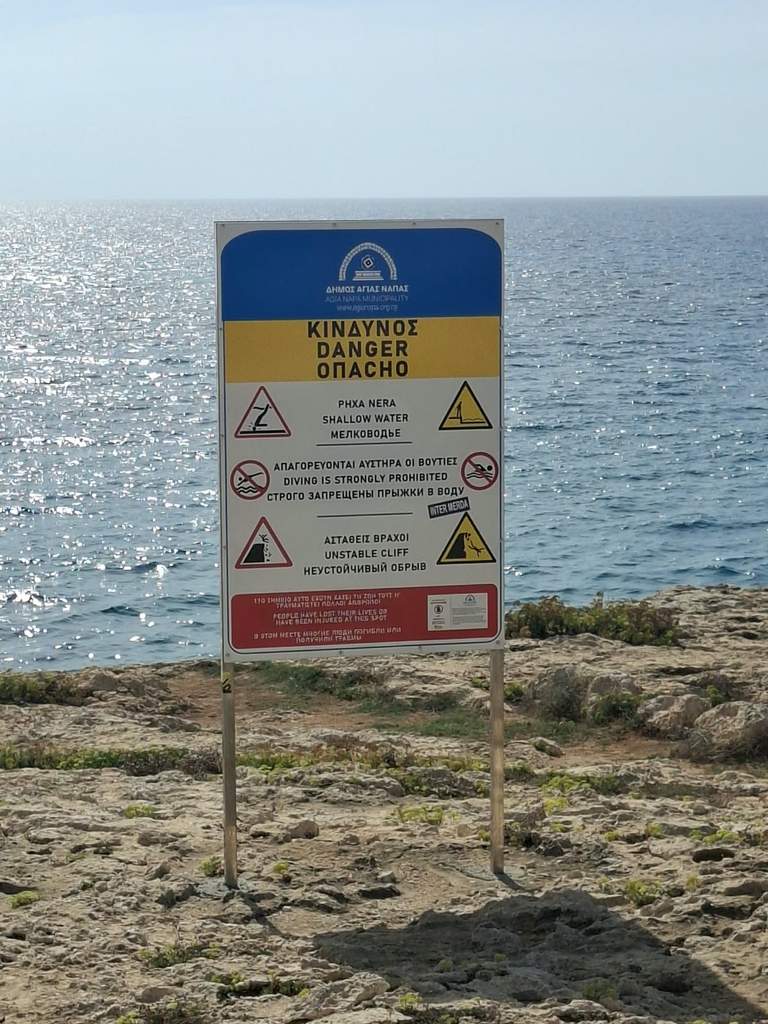
During a visit on Monday, Terra Cypria said it found pleasure boats passing through and anchoring, human disturbance, people entering the sea caves and reaching the sea arch that overlooks the area, illegal fishing and construction along the coastline, among other activities with a significant negative impact.
In Cyprus, monk seals give birth in sea caves, mainly between September and December. Mothers often leave their pups in the caves while they look for food, and human disturbance is one of the main reasons mothers abandon newborn pups and pregnant females abandon suitable, safe shelters, the foundation said.
Calls to the authorities
Terra Cypria welcomed a formal proposal by the Ministry of Agriculture, Rural Development and Environment to the European Commission to add the Ayia Napa site to the Republic of Cyprus’s list of sites of environmental importance, by extending the Cape Greco Natura 2000 Special Area of Conservation.
However, it called on the competent ministry to review and amend the order banning fishing and boat traffic in the Ayia Napa marine protected area (KDP 46/2023), so that its provisions match those for all other such areas, particularly the year-round ban on boats and other vessels passing through or anchoring.
It also urged the authorities that share responsibility for the site to immediately put in place a comprehensive, systematic programme to monitor and supervise it, so that the law is properly enforced and the seals are effectively protected.
Protected caves
Between 2019 and 2025, four areas important for the conservation of the monk seal were identified in the government-controlled areas: the Peyia Sea Caves and the Halavro Sea Cave on the Akamas peninsula, the Ayia Napa Sea Caves at Cape Greco and the sea cave at Agios Georgios Alamanou.
The caves have been declared marine protected areas under Article 5A of the Fisheries Law (Cap. 135) to protect fishery resources and aquatic organisms. In their core areas, all fishing is banned, except for professional coastal fishing licences in the buffer zones around them, as is passing through or anchoring by boats and other vessels, including non-motorised ones.
Cyprus’s coastal waters contain 17 sea caves recognised as suitable refuges for the species and monitored as important monk seal habitats. They are classed as breeding caves where breeding has been confirmed and as resting caves where seals have been recorded using them.
The most important areas for the species in the government-controlled areas are the Akamas peninsula, Cape Greco and Agios Georgios Alamanou, and in the British Sovereign Base Areas, the Akrotiri peninsula and Cape Pyla.
Threats to the species
The Mediterranean monk seal (Monachus monachus) is the rarest of the world’s 33 seal species. It is listed as vulnerable on the International Union for Conservation of Nature (IUCN) Red List of Threatened Species and is considered Europe’s most endangered marine mammal.
Its global population stands at around 1,000, half of them in Greek waters. Cyprus is estimated to have about 20 to 22 seals, according to a 2025 estimate.
The main threats to the species, according to the foundation, are habitat loss and degradation, the urbanisation of nearby areas and pressure from tourism and leisure activities; marine pollution, which can harm the animals’ health as toxins and microplastics build up in their bodies through the food chain; and the accidental entanglement of young and newborn seals in fishing gear.
Overfishing reduces the seals’ food supply, and epidemics spreading in the wild population pose a significant threat in the Mediterranean. Climate change can also affect marine ecosystems such as sea caves unpredictably, as frequent and intense weather events increase pup deaths and rising sea levels make the seals’ land habitat less suitable in the long term.

