


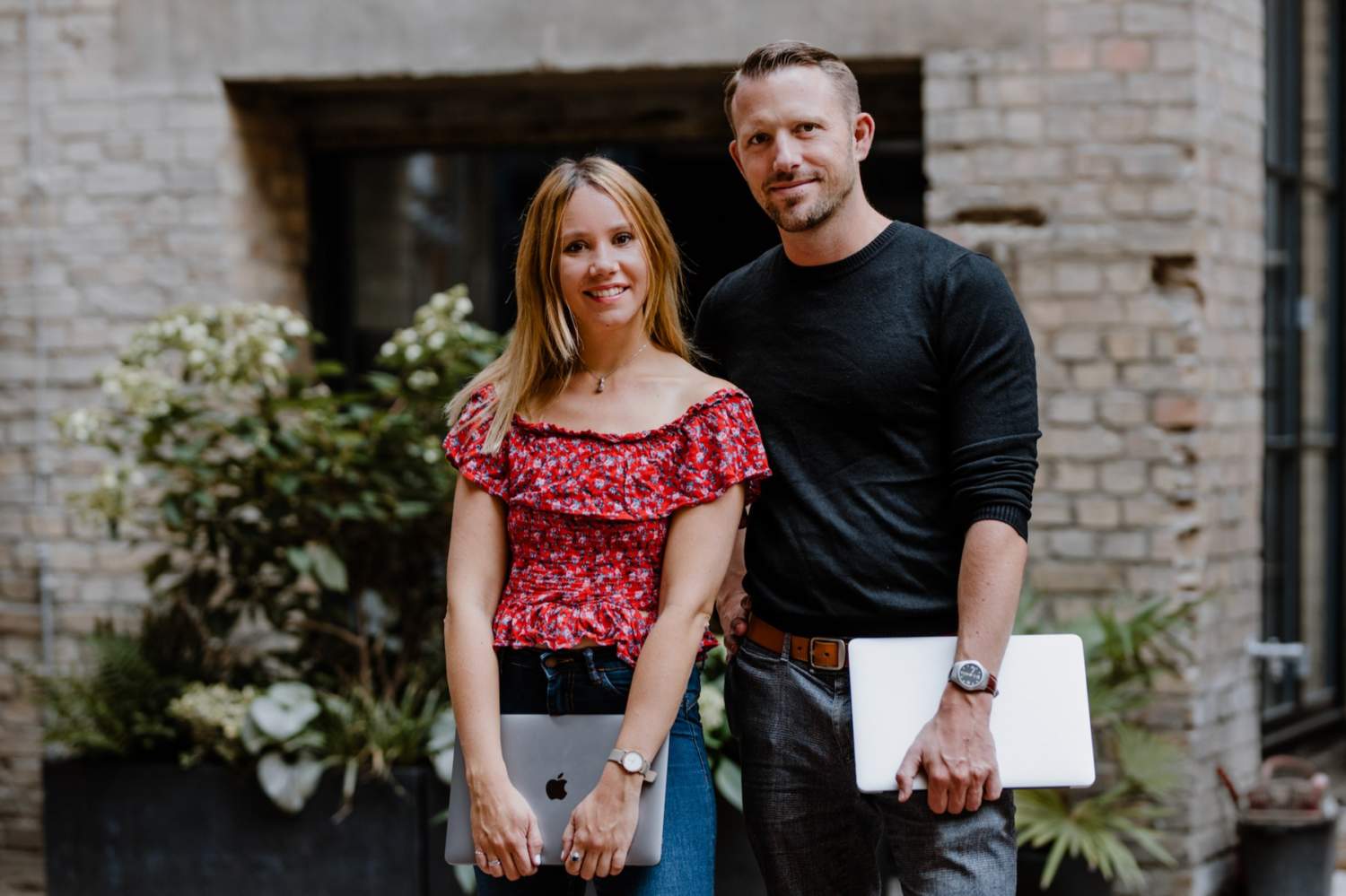
After years living in Indonesia, Kristina and Friedrich Nielsen settled in Cyprus, where their search for quality furniture at reasonable prices inspired them to establish Nu.Liv, a Paphos-based furniture business connecting the design influences of two islands thousands of kilometres apart.
When the Nielsens began furnishing their new home in Cyprus, they struggled to find what they were looking for. Having spent years living in Indonesia, the husband-and-wife team had developed an appreciation for solid wood, natural textures and furniture designed to last. But the pieces they encountered in Cyprus often fell short of their expectations, particularly when it came to the relationship between quality and price.
“Again and again, we felt that the quality of the furniture we found did not justify the prices being asked,” they recall.
Rather than continue searching, the couple decided to explore whether they could bring the furniture they had grown to appreciate in Indonesia directly to Cyprus.
The idea eventually became Nu.Liv, a furniture business based in Kissonerga, Paphos, offering Indonesian solid-wood furniture alongside a European hardwood collection.
For the Nielsens, the venture was more than an opportunity to enter a new market. It was also a way of bringing something of their former life in Bali into the home they were building in Mediterranean Cyprus.
From Indonesia to the Mediterranean
Before moving to Cyprus, Kristina and Friedrich spent several years living and working in Indonesia, dividing their time between Bali and Jakarta, where they also operated an online agency.
What stayed with them was not simply the island’s distinctive architecture or tropical landscape, but the relationship between everyday living and the materials used to create a home.
“What stayed with us most about Bali was the way natural materials were part of everyday life. A space did not need to be extravagant to feel beautiful; wood, woven textures, light and a connection to the outdoors could give it real character,” they explain.
When the couple decided to return to Europe, Cyprus offered an opportunity to establish a new home while retaining something of the island lifestyle they had enjoyed in Indonesia.
Although the two places have different cultures and traditions, the Nielsens recognised a shared appreciation for outdoor living and hospitality.
“The cultures are distinct, of course, but there is a shared appreciation for a home that opens up to the outside,” they say.
“In both places, terraces, gardens and shaded outdoor spaces are part of everyday life rather than an afterthought.”
That connection extends to how people use their homes. Dining tables, terraces and comfortable seating areas are not decorative features but spaces where families and friends spend time together.
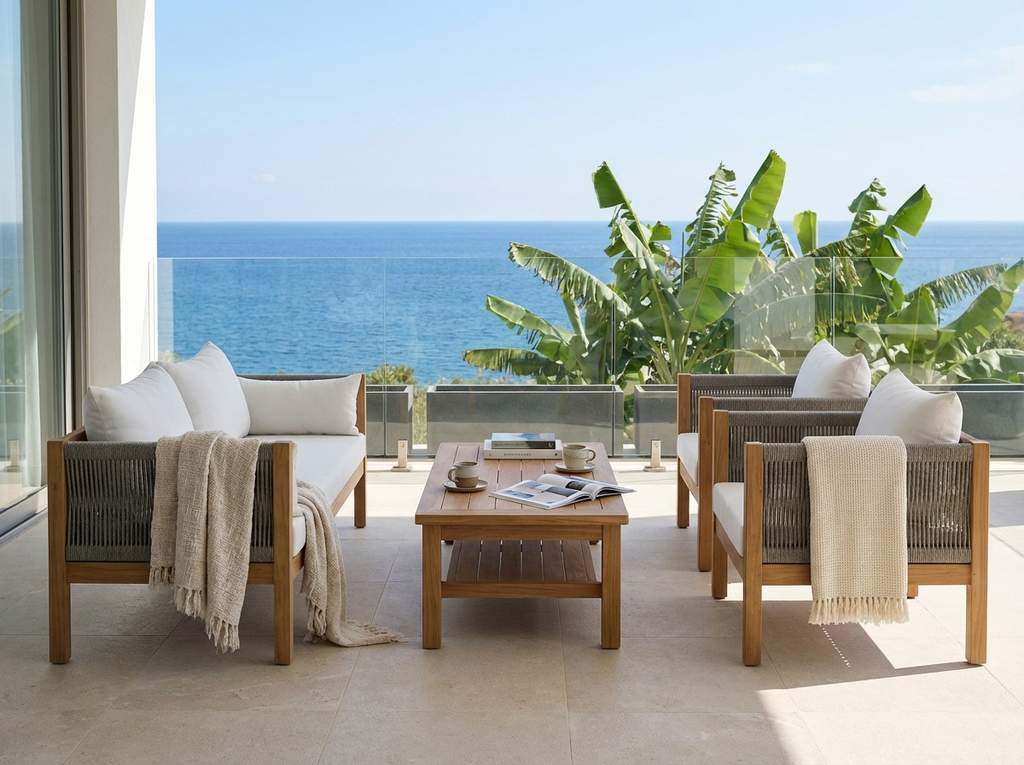
The couple believed that furniture incorporating teak, rattan and other natural materials could fit comfortably into Mediterranean homes without losing its Indonesian influences.
Their experience of furnishing their own property reinforced that belief and helped turn a personal preference into a business idea.
Building a business around quality and choice
The Nielsens established Nu.Liv with the aim of making solid-wood furniture more accessible to customers in Cyprus.
Their approach centres on sourcing furniture directly from Indonesian producers rather than relying on multiple intermediaries.
“We were looking for well-made pieces in genuine materials, with the warmth and character we had come to appreciate in Indonesia, and we struggled to find the right balance of quality, design and value,” they explain.
“We wanted to bring solid teak and other natural materials to Cyprus through direct sourcing from Indonesian producers, reducing unnecessary intermediary markups and making long-lasting furniture more accessible.”
The founders believe that this sourcing model enables them to offer a more competitive balance between price and quality.
At the centre of its Bali Line is teak, a hardwood known for its distinctive grain, warm colouring and natural oil content. These properties contribute to its durability and moisture resistance, although its suitability for outdoor furniture depends on appropriate construction and maintenance.
The collection also includes mindi wood, rattan and other natural fibres, reflecting the materials and textures the couple encountered during their years in Indonesia.
For the Nielsens, material choice is closely connected to how furniture performs and changes over time.
“The material is not a minor detail; it influences how a piece looks, feels, ages and can be cared for,” they explain.
They also value the possibility of maintaining or refinishing many solid-wood pieces rather than replacing them when their appearance changes.
“Our aim is not to suggest that natural materials require no care, but to encourage people to choose furniture for the long term rather than the next season.”
Alongside its Indonesian collection, Nu.Liv offers a European Oak & Beech range for customers seeking a more contemporary European style.
The business serves private homeowners as well as interior designers, property developers and hospitality operators. Selected pieces are available locally, while additional designs can be ordered to meet individual requirements.
Why a smaller collection can make a difference
One of the company’s deliberate choices has been to offer a relatively limited range rather than an extensive catalogue of furniture styles.
The Nielsens believe that having too many options can sometimes make the process of furnishing a home more difficult.
“We do not think that more choice automatically leads to a better home,” they say.
“When there are hundreds of similar options, choosing furniture can become exhausting, and it is harder to see how individual pieces will work together.”
Their approach is to select furniture based on materials, construction, proportions and how it might fit into everyday life in Cyprus.
A smaller collection, they argue, also gives them a better understanding of the products they sell and allows them to advise customers more confidently.
“With Nu.Liv, we prefer to be selective: we look for durable materials, balanced proportions, timeless forms and pieces that make sense in the way people live in Cyprus.”
That does not mean customers are restricted to the items displayed in the showroom. The company can also accommodate different sizes, finishes and requirements for larger projects.
The European Oak & Beech range provides an alternative for those who favour a different aesthetic, while retaining the founders’ preference for solid wood.
Bringing Bali into their own home
The business has also changed how Kristina and Friedrich furnish their own home in Cyprus.
Since establishing Nu.Liv, they have gradually begun replacing their existing furniture with pieces from their collections, allowing them to live with the materials and designs they recommend to customers.
“Our home is changing piece by piece,” they explain.
“That makes the business very personal: we live with the materials and designs we recommend to our customers, rather than simply displaying them in a showroom.”
For the couple, these pieces maintain a connection with the years they spent in Indonesia while becoming part of their everyday family life in Cyprus.
The natural wood and woven textures remind them of the atmosphere they appreciated in Bali, but the furniture now belongs to a different setting and a new chapter in their lives.
Their experience has also shaped how they think about the role furniture plays in other people’s homes.
Rather than viewing it as a product chosen for its appearance, they see it as something that can acquire meaning through everyday use — a table around which family members gather, or a seating area where friends spend an evening together.
It is an idea that links their personal journey from Indonesia to Cyprus with the business they have built in Paphos.
“What matters most to us is the point at which furniture stops being just a product and starts to feel like part of somebody’s home.”

