


It’s a fierce battle and everyone will be caught in the crosshairs. Not for territory, but saving the most precious of life givers that has actually started to become the cause of conflicts; water.
Cyprus is going through one of the driest periods in living memory and awareness campaigns have been launched on the need to reduce consumption, an effort that cannot spare anyone and with everyone needed to conserve, the first goal being to prevent water cuts and get through to the next winter.
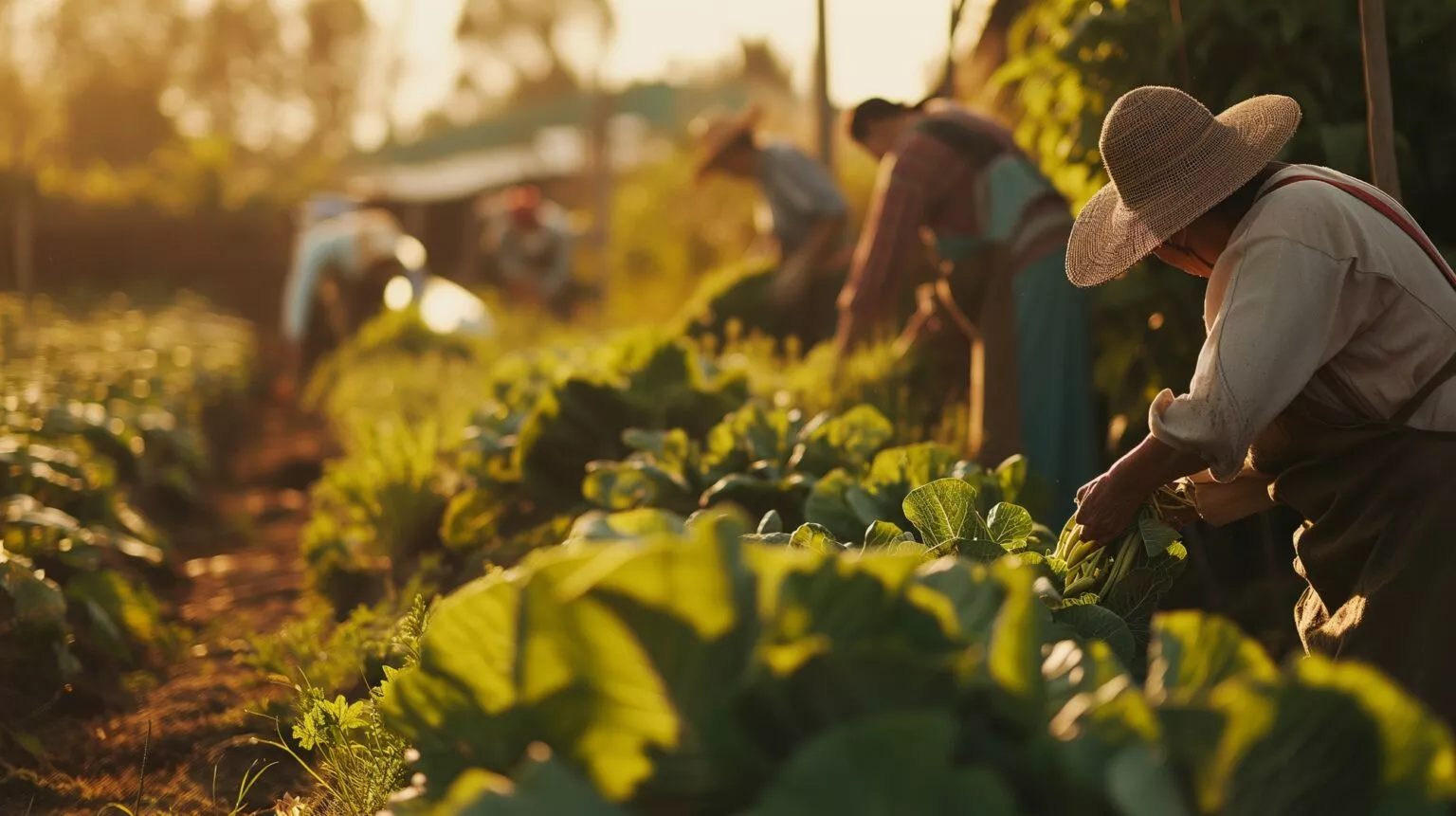
The home issues are at the low end of the concerns it would seem, as water shortages are affecting all aspects of the economy, most critically agriculture, with the drought spelling trouble on the market. Prices of fruit and vegetables are skyrocketing at grocery stores and supermarkets.
But let’s take a brief look at the sheer numbers which Phileleftheros secured from the Agricultural Research Institute.
A nuclear family consumes 120 to 140 tonnes of water per year on average, with agriculture taking up 70% of the island’s water resources.
Some cultivations take up more water than others.
Kolokasi for example (traditional potato like product grown in the Famagusta area) needs 2.325 tonnes of water per square foot, while to grow clover it takes 1.245 tonnes of water. Bananas need 1.217 in a square foot, with cabbage 344.57 tonnes.
Cucumbers grown in the field have an intake of 447.8 tonnes between April-July while greenhouse cucumbers need 584.1 tonnes.
Growing a kilo of potatoes takes 130-150 litres of water.
So lack of prudence on water consumption is not just about going thirsty but also quite hungry. And beyond agriculture, livestock farming will also take a hit, not to mention tourism. It’s all interdependent and revolves around the cycle of the water resources that make up our planet.

