


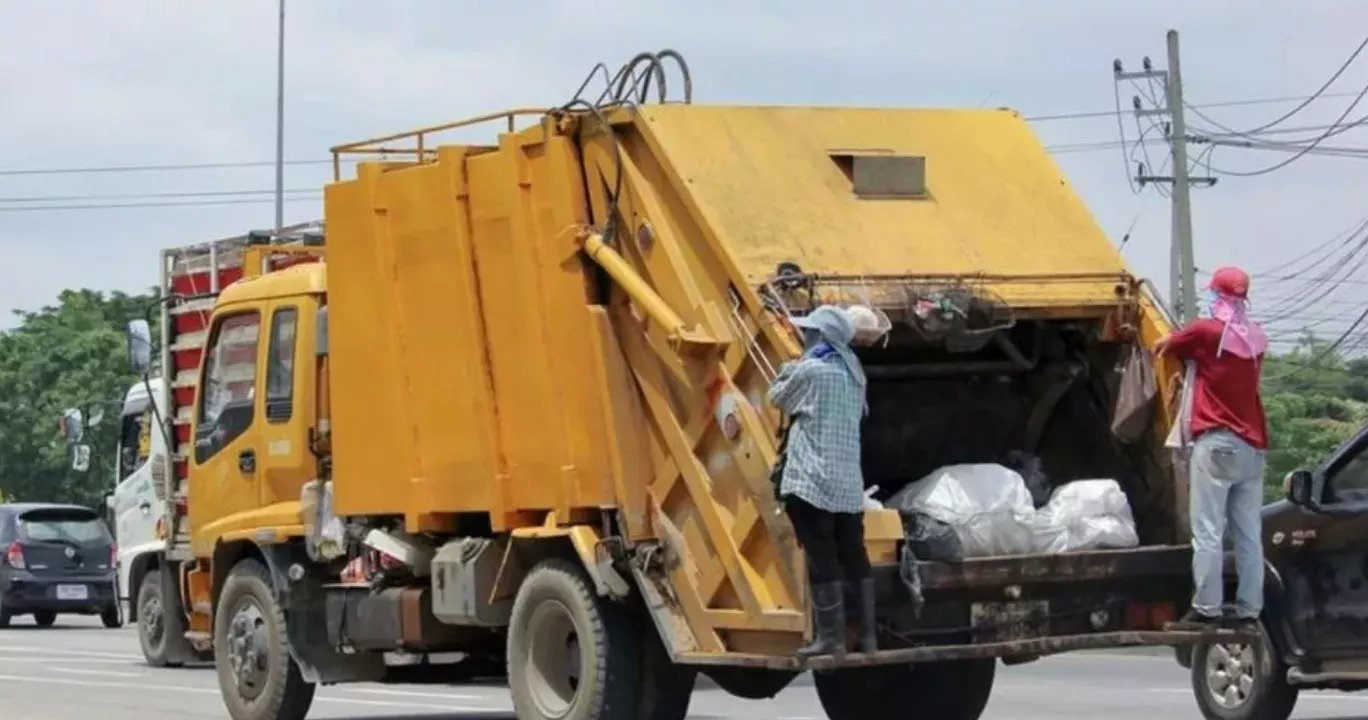
Parliament has capped local council tax increases at 14% for waste collection and 10% for property taxes, after some municipalities had already imposed rises of up to 85% on certain flats.
The government had initially proposed legislation allowing councils to increase waste collection fees beyond 14% and property taxes beyond 10%, with a ceiling of 35%. This would have permitted increases of up to 2.5 times the 2024 waste collection rates and 3.5 times the 2024 property tax levels.
Some councils had sought unlimited increases but were blocked by parliament.
The government’s proposal would have enabled indirect increases, as it referenced rises relative to the previous year’s rates, “provided that the relevant percentages do not exceed 35% of the amount imposed in the immediately preceding year.”
Parliament considered a letter from the Law Office stating that “the principles governing the imposition of fees and taxes require adherence to the principle of proportionality, the obligation not to surprise the taxpaying citizen and the non-retroactivity of any increases or other burdensome factors.”
Residents have avoided the potential 35% increases but must expect the 14% and 10% rises respectively compared to 2024 fees. No discussion exists for maintaining services at last year’s levels.
Citizens face additional taxation under proposed legislation granting District Local Government Organisations (DLGO) authority to impose fees on local authorities for services including:
- Green point operations
- Product reuse and repair centres
- Community composting units
- Green kiosks
- Recycling corners
- Specific waste collection points
Operating and management costs would be allocated according to each local authority’s population until regulations under the amended legislation are issued.
Local authorities will transfer the cost to citizens to service the new operations.
The legislation includes provisions removing the obligation for relevant local authorities to pay 60% of fees, rights or charges collected by DLGOs.
The state will cover the €12 million cost, which it will collect through citizen taxation.
Read more:

