


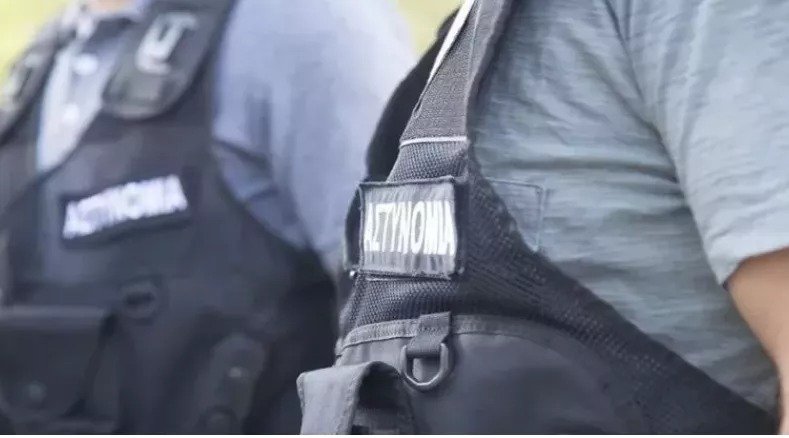
The Independent Authority for the Investigation of Allegations and Complaints Against the Police (IAIACAP) is requesting legislative changes to appoint permanent criminal investigators, as the current system faces significant delays that jeopardise effective case resolution.
Complaints against police officers have increased steadily in recent years, with the authority reporting 358 cases in 2024, up from 342 in 2023 and 290 in 2022 – representing a significant rise from the 137 complaints recorded when the authority was established in 2010.
Conflict of interest hampering investigations
The authority currently faces substantial challenges with its investigation process, according to its chairman, former judge Andreas Paschalidis. Of particular concern is the reliance on private-practice lawyers to conduct investigations.
“We identified serious problems in the investigation process that affect work quality and create significant delays in completing investigations, with subsequent impacts on criminal or disciplinary proceedings,” Paschalidis told philenews.
“These delays often result in acquittals, as prolonged proceedings effectively constitute a denial of justice”.
The situation has deteriorated rather than improved over time, according to the chairman, primarily due to conflicts of interest among criminal investigators.
Of the 65 investigators currently serving the authority, 60 are practicing lawyers with private clients.
“When appointed, they often discover that witnesses or complainants are their clients in other cases, creating a conflict of interest that forces them to abandon investigations,” Paschalidis noted.
“This happens frequently, sometimes mid-investigation, requiring us to appoint replacement investigators, which further extends case timelines”.
Legislative solution stalled
To address these obstacles, IAIACAP has drafted legislative amendments after consultations with the Minister of Justice and the Attorney General.
The proposed legislation, pending since June 2023, would allow the authority to employ 10-12 permanent criminal investigators dedicated exclusively to its cases.
“This arrangement would actually reduce the authority’s budget, as we would only pay investigator salaries rather than the current hourly rates,” Paschalidis stated.
The draft legislation also includes provisions to shield authority members from personal liability related to their official duties.
“I personally face three lawsuits,” the chairman revealed. Additionally, the authority seeks the right to appeal decisions made by police disciplinary bodies when it disagrees with their conclusions.
Despite recent reminders and expressed interest from the current Justice Minister and Assistant Attorney General, the proposal remains under review by the Department of Public Administration and Personnel.
European standards and police conduct
European institutional bodies discourage the authority from employing former police officers as criminal investigators, further limiting the available pool of qualified personnel.
Regarding police conduct, Paschalidis acknowledged improvement efforts by successive police leaderships but questioned their effectiveness.
“The majority of officers attempt to perform their duties correctly,” he observed, while emphasising that misconduct should not be excused.
“Unfortunately, there are some who deviate from standards, and we must acknowledge that there are nettles among the roses. If we recognise this and remove them, we will improve significantly,” he concluded.
The most common complaints involve abuse of power, inappropriate conduct, negligence in performing duties, and mistreatment or use of force, with many filed by foreign nationals.
However, relatively few cases result in referrals to the Attorney General for criminal prosecution.
Read more:

