


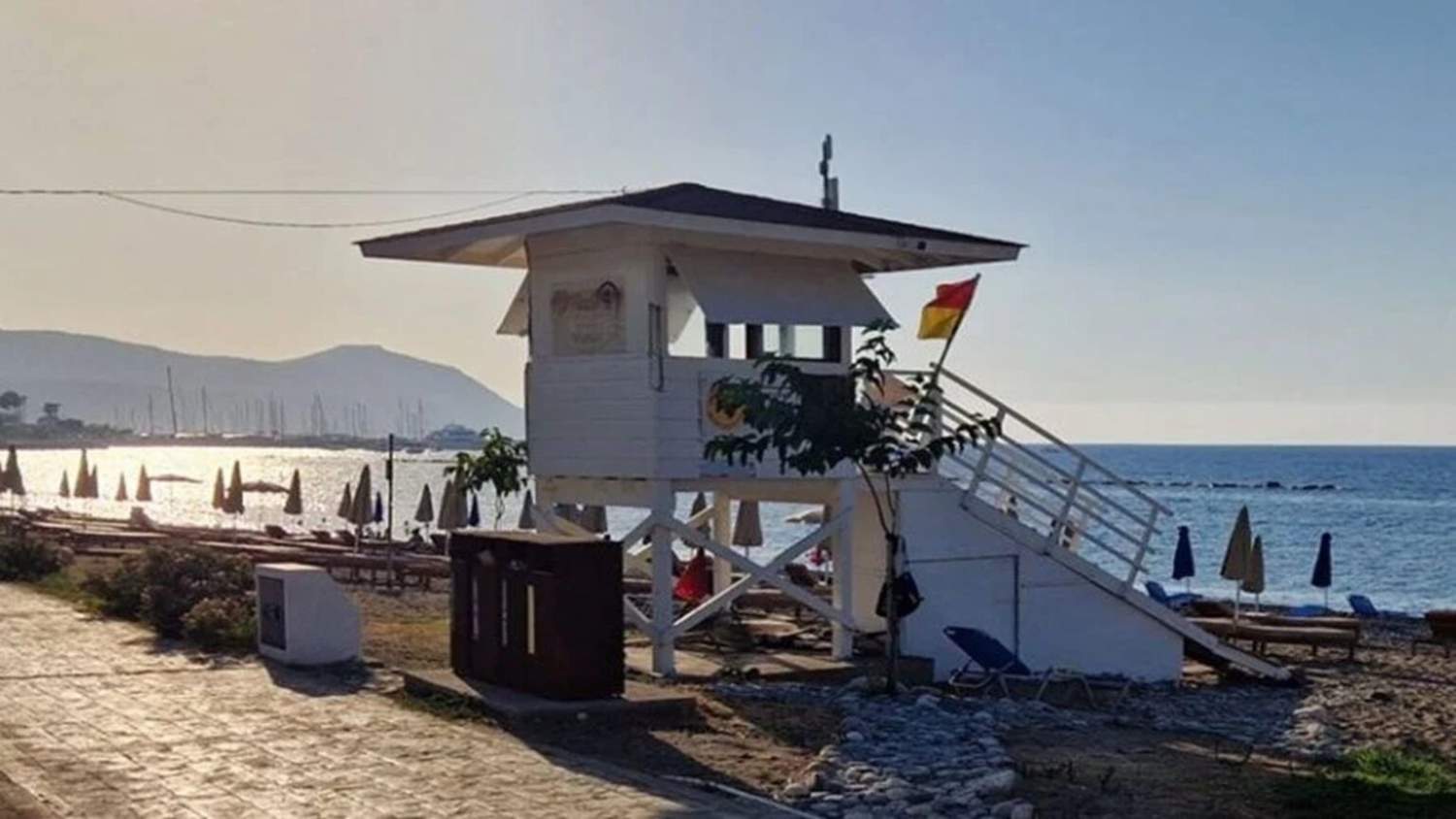
A 35-year-old woman drowned at the CTO beach in Larnaca shortly after 6pm on Saturday, a short time after the lifeguard covering the area had finished for the day, raising the question of how long even organised beaches are covered.
Bathers swim or stay in the sea at a number of beaches until as late as 8.30pm.
There is no single set schedule for lifeguard presence. Interior Minister Konstantinos Ioannou set out the position on July 9 in a written answer to Larnaca MP Prodromos Alambritis, leaving the question of hours open.
Lifeguard cover is arranged so that priority goes to busy and higher-risk beaches, and to the hours when the greatest numbers of bathers are present, particularly during the peak tourist period, Ioannou said. The aim is a meaningful and effective lifeguard presence where the need is greatest, making the best use of available staff.
Existing cover and operating hours are assessed regularly and adjusted where judged necessary and feasible, so that they match actual conditions on the beaches, especially in the busier months, he said.
Eighty-four posts unfilled
The minister’s answer also shows the number of lifeguards is limited against the needs of covering Cyprus’s beaches effectively. There are 84 vacant posts this year, against 374 approved posts.
Of the 374, Paphos district is covered by 122 lifeguards, Famagusta district by 92, Limassol by 74, Larnaca by 73 and Nicosia district by 13. The vacancies are 26 in Limassol, 25 in Paphos, 23 in Larnaca, six in Famagusta and four in Nicosia.
The answer indicates bathers are better covered at busier beaches, in the sense that these are more organised and have more lifeguards.
The lifeguard allocation programme is drawn up on the basis that all approved posts will be filled, Ioannou said. Because of the staffing shortfalls, however, the programme cannot always be fully applied. Lifeguards are therefore posted to beaches according to priorities and operational needs, taking account of factors such as seasonality, how busy each beach is, its geographical position, its risk level and the presence of winter swimmers.

