


Nuclear safety regulators representing 38 countries warned on Monday that the risk of a nuclear accident in Ukraine is increasing this winter, and urged Russia to stop attacking the country’s power infrastructure, Reuters reported.
Russia has stepped up drone and missile attacks on Ukrainian power plants, power lines and electricity substations, hitting a system already weakened by nearly five years of war. The regulators’ main concern is that, without a stable supply from the grid, Ukraine’s nuclear plants find it increasingly difficult to keep their nuclear material cool and avoid a meltdown.
In a joint statement seen by Reuters before publication, the regulators said there was an urgent need for Russia to “cease attacks against Ukraine’s nuclear facilities and the energy infrastructure essential to their safe operation”.
The statement was issued by three bodies:
- HERCA, the Heads of the European Radiological Protection Competent Authorities
- WENRA, the Western European Nuclear Regulators Association
- NORA, the Heads of the Nordic Radiation Safety Authorities
Together they represent 38 countries, including all EU member states, the US, Britain, Canada and Japan.
A meltdown could release radioactivity into the air, as happened in the 1986 Chornobyl disaster, considered the world’s worst civil nuclear accident. It spread iodine-131, caesium-134 and caesium-137 across parts of Ukraine, Belarus and Russia, and across northern and central Europe.
Highest risk this winter
Per Strand, who heads both HERCA and NORA, told Reuters that Russian attacks had become deadlier in recent weeks, with drones carrying bigger payloads and targeting more precisely. Because of this new tactic, he said, “clearly the highest risk will be this winter for a nuclear accident”.
The worst case, Strand said, would be a nationwide blackout affecting all nine of Ukraine’s producing reactors at once. With the potential for radioactive releases from nine reactors at the same time, that would be a severe situation, he said.
He said the danger could be avoided if action was taken now and Russia was pressured to stop its attacks on energy infrastructure. If not, he said, European countries must work together on emergency preparedness to deal with the possible consequences of a nuclear accident.
Zaporizhzhia
On Saturday, the International Atomic Energy Agency (IAEA) said military activity had made Ukraine’s electricity supply unstable over the previous week, forcing power reductions at some operating units of its nuclear plants.
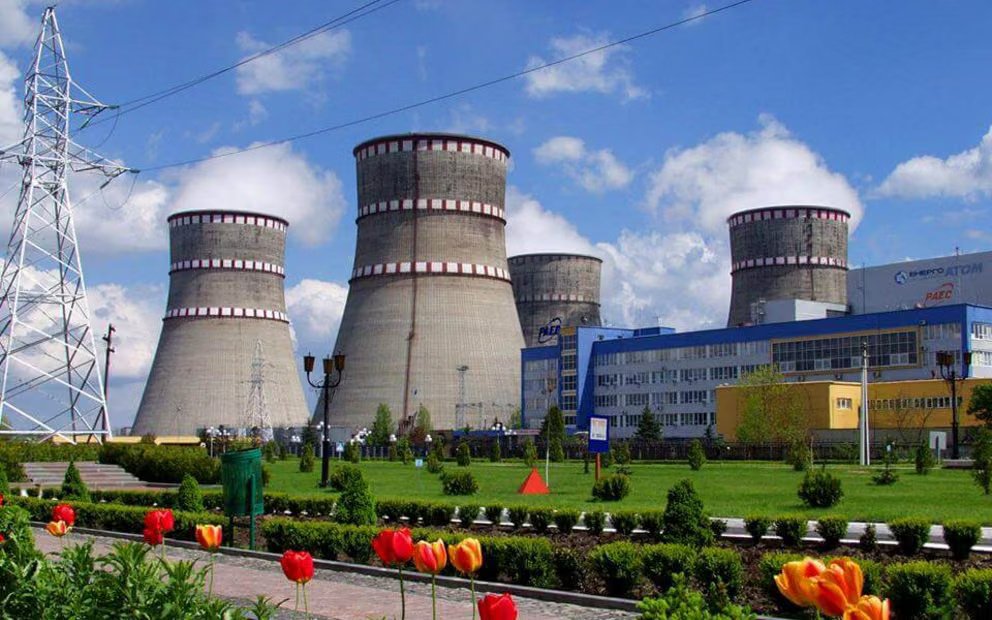
Ukraine has four nuclear power plants. Three are in operation and provide about 80 per cent of the power used this winter. The fourth, Zaporizhzhia, Europe’s largest, is under Russian control in an area close to the front line.
Zaporizhzhia is not producing electricity, but it relies on power supplied from Ukraine to keep its nuclear material cool. The plant has lost off-site power 27 times since the war began, forcing it to switch to emergency diesel generators, and it has relied on a single off-site power line since late March, the IAEA said.
Russia and Ukraine accuse each other of striking the plant and cutting the power lines to it.
(Reuters)

