


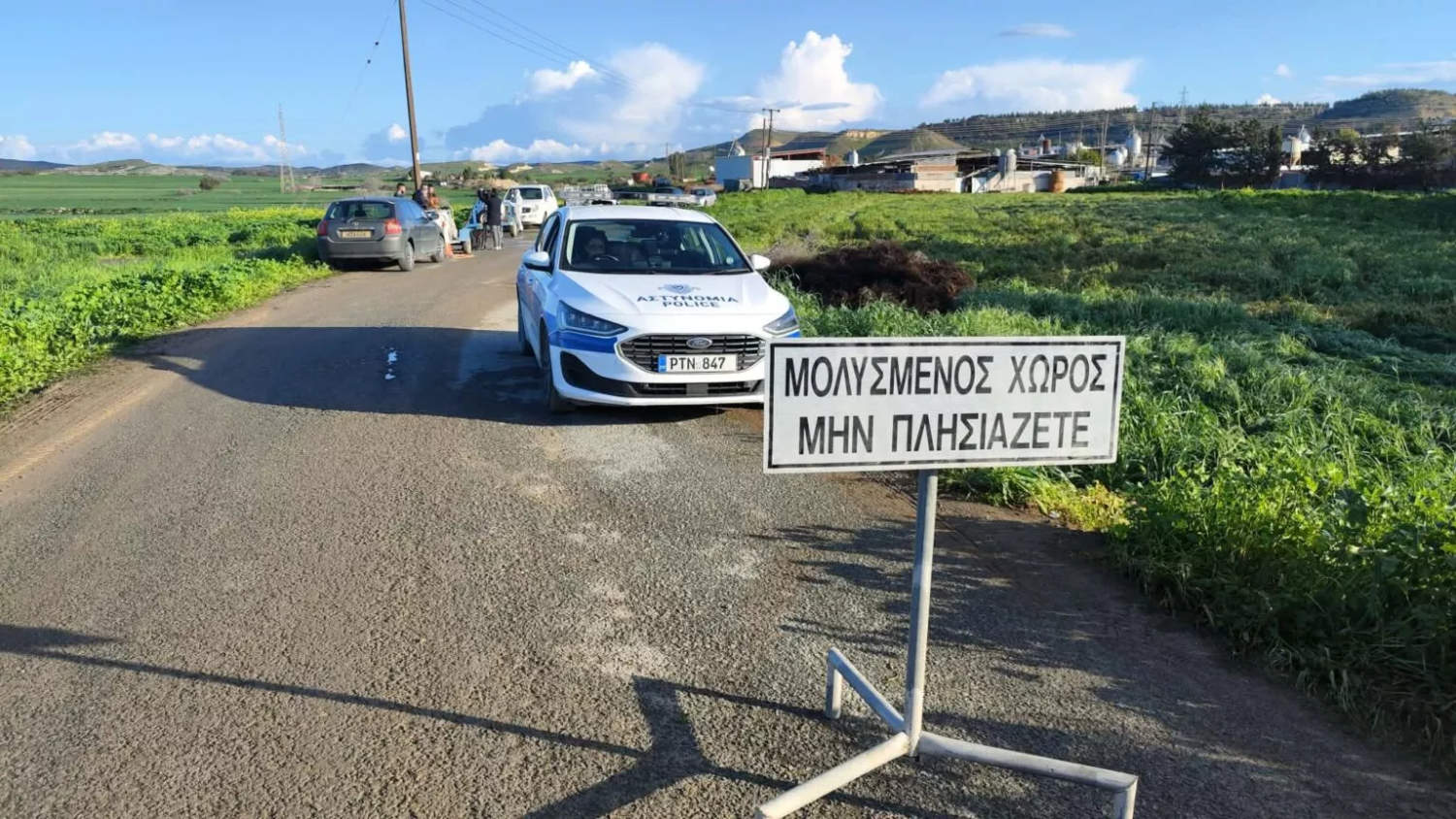
Agriculture Minister Maria Panayiotou issued Cyprus’s fourth foot-and-mouth disease control decree yesterday, with 110 farming units now affected across Larnaca and Nicosia, as farmer organisations threatened protests over unpaid compensation.
Current losses stand at around 10% of the sheep and goat population, approximately 3% of cattle, and around 8% of pigs, according to the source.
The decree, published in the Official Gazette, bans all movement of cloven-hoofed animals — including cattle, pigs, sheep, goats, camels, deer, antelopes, llamas, alpacas, and wild sheep — to and from farming units.
It also prohibits the movement of animal feed, veterinary medicines, and agricultural equipment except under special authorisation, bans animals from grazing outside their units, and forbids gatherings of farm owners, workers, and third-party visitors at premises housing cloven-hoofed animals anywhere in the Republic.
The decree’s preamble states that additional measures were deemed necessary on epidemiological grounds, as the virus spreads both through the air and mechanically. The measures aim to prevent the pathogen moving from red restriction zones into areas that remain free of the disease.
Limited exemptions are available under special licence: animals may be moved to slaughterhouses for human consumption; pigs may be transferred between units owned by the same owner, provided a health certificate is issued and at least 15 days have passed since their first vaccination; shearing may only be carried out by a unit’s own staff using its own equipment; and the competent authority may issue licences for imports of cloven-hoofed animals from third countries or other EU member states.
The government said strict compliance with the measures was the only way to avoid what it described as “incalculable negative economic consequences.” The Veterinary Services and Department of Agriculture urged all those involved to monitor official websites for updates on restriction zones and feed movement procedures.
Farmers warn of protests
Farmer organisations PEK, EKA, Panagrotic, and New Agrarian Movement sent an urgent memorandum to President Nikos Christodoulidis yesterday, following a meeting held the same day, criticising what they called an unjustified delay in the payment of compensation.
The organisations said that although EU regulations require affected farmers to be paid within 90 days, 76 days have passed without a single euro being disbursed.
“The situation is out of control,” they warned, adding that hundreds of families had lost their income. They said that if funds were not approved at the next Cabinet meeting, they were prepared for “different reactions,” in an clear signal of potential mobilisation.
The newly formed association Foni ton Ktinotrofon (The Voice of Livestock Farmers) went further, demanding an immediate halt to animal culling. Association spokesperson Stella Petrou argued that alternative European protocols existed that could be applied instead of what she called “mass slaughter.” She said that even if compensation were paid, protests targeting the Presidential Palace and major roads were imminent unless the culling stopped.
Scientists warn of halloumi embargo risk
Scientists pushed back against the farmers’ demands, citing the need to protect the national economy and exports. Pancyprian Veterinary Association president Dimitris Epaminondas said there was no room for deviation.
“Europe follows a strategy of complete eradication. There is no margin for exceptions,” he said, warning that non-compliance with EU legislation would trigger a trade embargo that would destroy Cyprus’s most important export product — halloumi.
Professor Dimitris Tsaltas added that the virus can remain latent even in apparently healthy animals. He described those illegally moving animals in double-cab vehicles to avoid checkpoints — thereby spreading the virus to new areas — as “bioterrorists.”
Cyprus and Greece form joint working group
Cyprus and Greece announced the formation of a joint working group at the margins of the informal EU Agriculture Ministers’ Council held in Nicosia, with the group meeting daily to coordinate efforts against the outbreak.
The agreement was reached at a meeting between Minister Panayiotou and Greek Agriculture Development Minister Margaritis Schinas, with details presented by the two ministries’ directors general, Andreas Gregoriou and Spyros Protopsaltis, who will lead the group.
“We are on the same line. Services and farmers must work together. Producers must understand the seriousness of the risk and protect their units,” Gregoriou said.
Protopsaltis was direct: “We are facing an existential threat. Foot-and-mouth disease is extremely contagious and the battle to eradicate it is hard.”
The cooperation will focus on three areas: biosecurity measures and strict implementation of containment protocols; crisis management, drawing on experience from handling the disease in Lesbos and Cyprus; and economic support, with a common approach to compensation for losses of livestock, income, and animal feed.

