


Cyprus is entering the 2026 fire season with its largest-ever aerial firefighting fleet, but a wide-ranging meeting chaired by the President identified staffing shortages, stalled institutional reform and pending legislation as areas still requiring urgent attention.
The meeting, held at the Presidential Palace, reviewed the country’s civil protection readiness. Cyprus has 14 primary aerial assets this year — nine aircraft, four helicopters and one BB — the highest number in the country’s history. A strategic plan is also under way for the gradual acquisition of an owned fleet of firefighting aircraft and helicopters. The Regional Aerial Firefighting Hub (CRAFS) facility in Paphos has been completed.
The contract for the new Next Generation 112 emergency system (NG 112) is to be signed within May 2026, with a completion horizon of 13 months. The SMS early warning system is expected to enter a pilot phase in early June, with full operation by the end of the month.
The Fire Service’s unified Operations Coordination Centre is already operational, linked to outdoor surveillance cameras in Larnaca, Limassol and Paphos and to Department of Meteorology data for fire prevention monitoring.
Forest Department
The Forest Department, responsible for 54% of the government-controlled territory, recorded a 91% effectiveness rate last year for fires contained to under one hectare. Average response time remains steady at between 11.5 and 12 minutes.
The department has its largest-ever fleet of 135 fire vehicles, with 27 more expected, and its staffing of forest firefighters and personnel represents the largest investment in its history.
The Forest Department is also piloting controlled burning in Machairas and Nicosia and running controlled grazing programmes to reduce combustible material. Remote sensing with automatic detection systems and drones are in use, alongside targeted biomass management projects and the creation of firebreak protection zones.
What still needs fixing
Despite the progress, the presidential meeting recorded a number of weaknesses.
On open countryside, the meeting found that resources for prevention and suppression outside forested areas are not being effectively used, and efforts to bring the Forest Department into this work remain stalled. The gap persists.
On institutional reform, the Civil Protection Law 2026 bill and a related bill on renaming the Interior Ministry are pending before parliament. The legislation covers the establishment and operation of the new Civil Protection Mechanism and the statutory appointment of a National Civil Protection Coordinator. In the interim, the Council of Ministers has appointed Chief Fire Officer Nikos Longinos as National Coordinator until the bills are passed.
On infrastructure, significant Forest Department vacancies remain unfilled, a problem expected to worsen in the coming years.
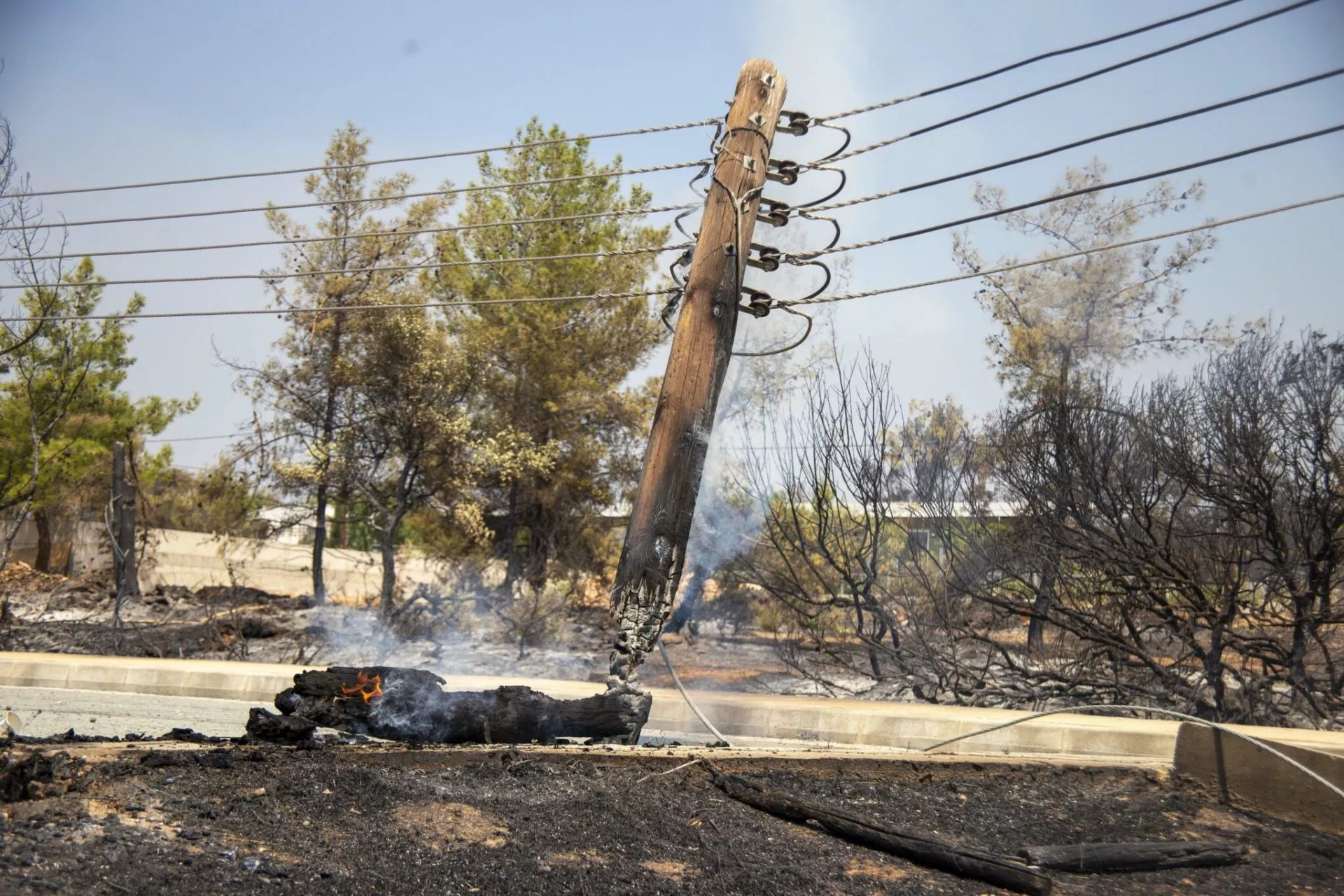
On cable undergrounding, cooperation with the Electricity Authority of Cyprus is under way to implement the programme.
“Always room for improvement”
National Coordinator Nikos Longinos said “there is always room for improvement,” focusing on making full use of the 13 aerial assets already ready and on the importance of prevention. He said the human factor accounts for more than 90% of fires and that 5,000 fires break out every year — a figure that must be reduced “and this must be done through prevention.”

