


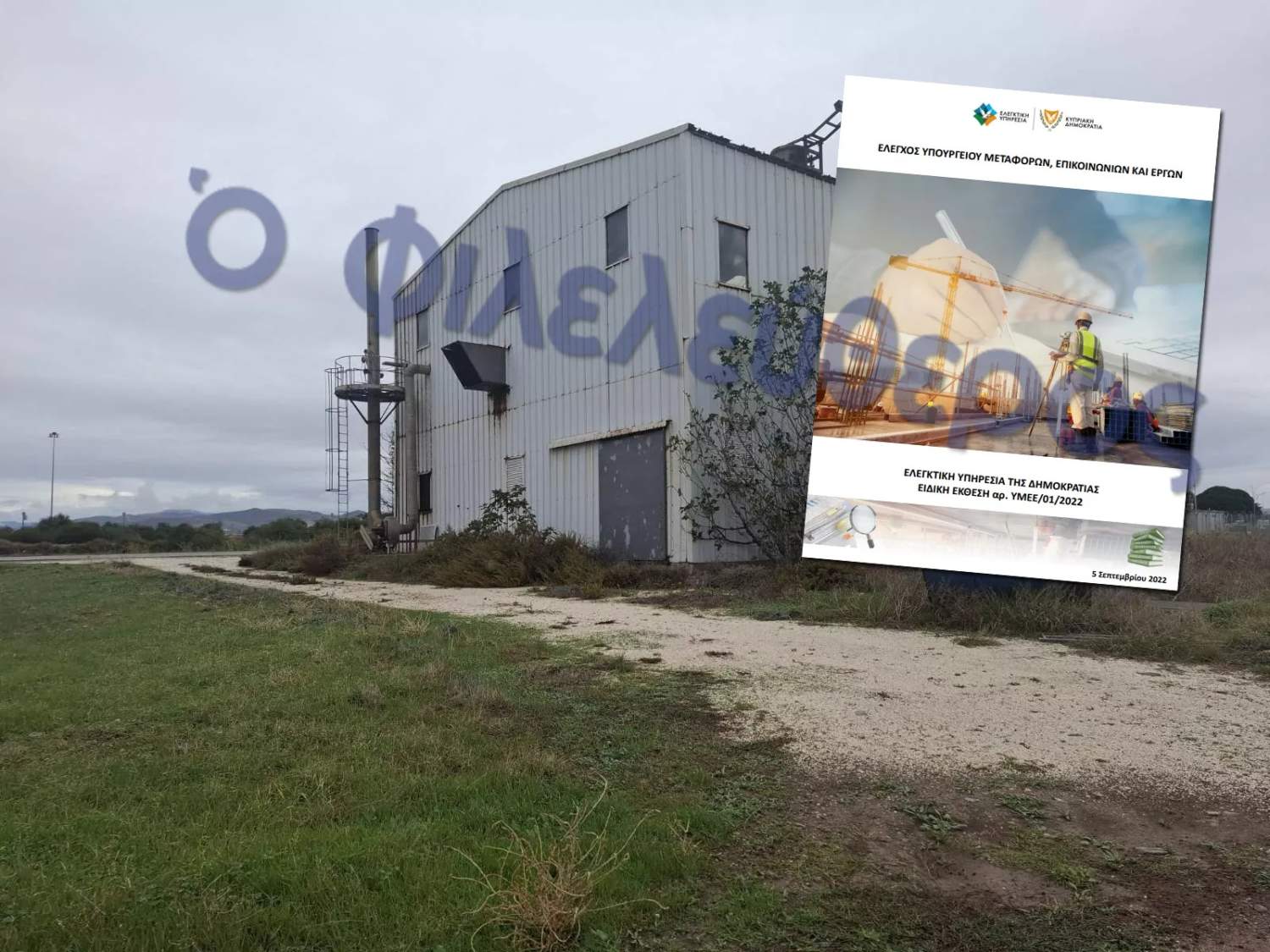
A scandal over wasted public funds has ended in the worst possible way, with incinerators at Larnaca and Paphos airports that cost taxpayers €2.3 million being sold off after never being used.
The Paphos airport incinerator was sold at auction during the first week of this month for a few thousand euros, according to two independent sources who confirmed the sale to Phileleftheros.
A reliable source said the entire installation was sold to a businessman for approximately €7,000. The buyer is purchasing not only the equipment but will also handle the transfer of the installation, though this has not been confirmed. Photographs show the building installation at Paphos airport as it appeared until a few days ago.
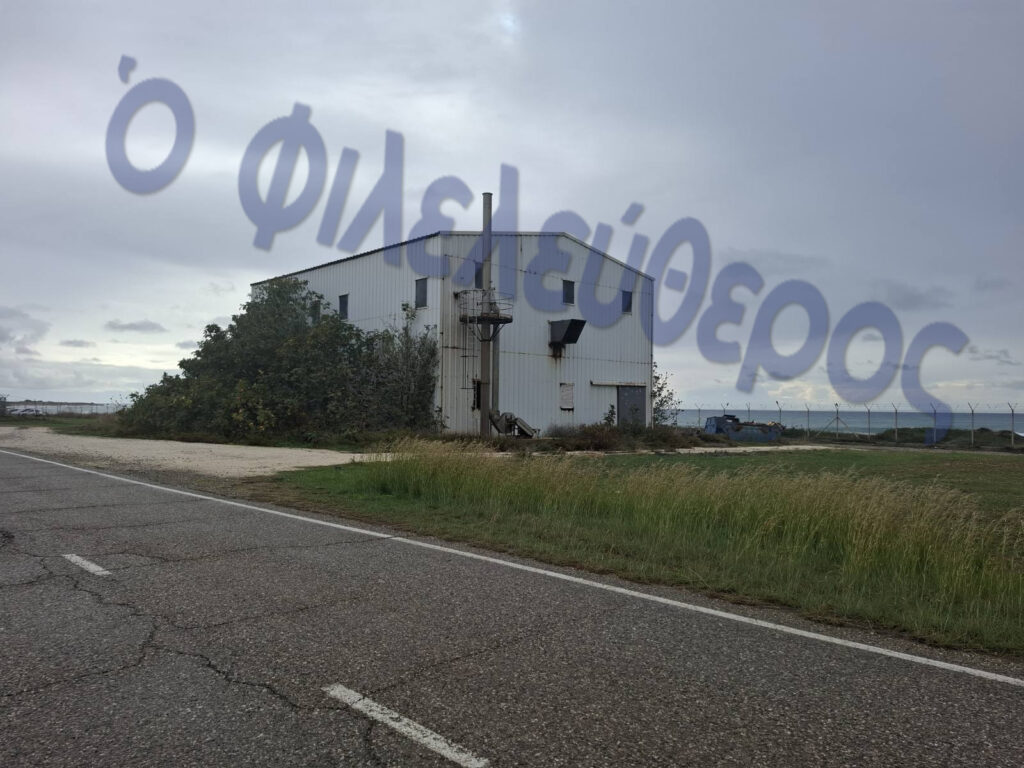
Phileleftheros informed Transport, Communications and Works Minister Alexis Vafeadis about the matter. The minister responded that he would request information about the parameters of the issue.
The fate of the Larnaca airport incinerator remains unclear, including whether it has been put up for sale. A reliable source told Phileleftheros that the Larnaca incinerator “has remained disassembled in a fenced area since 2006”.
The only winner in this case was the contractor who undertook the doomed project two decades ago, whilst the public bore the loss, with no accountability ever established for the wrong decision to build it.
Hermes, the airport operator, was never willing to use the incinerators. The company had set up its own waste management procedures from the start.
An Audit Office report dated 5 September 2022 noted that Hermes “informed that it does not need the incinerators in question, as it uses a different method/procedure for managing aircraft waste”.
Cost breakdown
The cost of the unused incinerators reached €2,299,273 through a series of payments identified by the Audit Office three years ago.
In February 2004, the equipment supply and installation contract was signed for €1,616,303. In July 2004, the required construction work was awarded to the same contractor for €332,323.
Beyond these amounts, an additional €224,170 was paid to the contractor with approval from the Central Committee on Tenders due to delays in work progress caused by the employer. A further €126,477 was paid as compensation for contract termination, bringing the total cost to €2,299,273.
No provision for permits
The scandal was characterised by events that defy common sense and are detailed in the Audit Office’s September 2022 report.
The report revealed that before the project began, proper steps were not taken to obtain operating licences for the incinerators in time. The European Union was also not in agreement with using this method of waste incineration.
In October 2003, before tenders were even submitted, the Audit Office requested information from the Department of Civil Aviation (DCA) Director, who would manage the incineration systems, about whether necessary actions had been taken and required permits secured from the relevant authority.
The Audit Office recommended that these permits be secured before signing the contract to avoid problems and potential contractor claims.
In May 2004, the DCA Director informed the Audit Office that his department had applied the previous month to secure gas emissions permits for the two units and would immediately address obtaining the relevant town planning permit.
Ultimately, due to the DCA’s failure to secure necessary permits in time, the Department of Electromechanical Services suspended work, despite the Paphos airport incinerator being ready for operational testing and handover.
In September 2008, the DCA Director informed the Department of Electromechanical Services that managing airport waste and specifically operating the incinerators did not fall under the DCA’s responsibilities but rather belonged to the airport operator.
However, the operator informed them that it did not need the incinerators, as it used a different method.
In February 2009, the Director General of the Ministry of Labour and Social Insurance informed the Director General of the Transport Ministry that incinerating waste using many small incinerators that do not operate continuously was not a viable practice in the EU for economic, technical and environmental reasons.
Given that the planned Special Waste Management Centre at Vathia Gonia in Nicosia would include a central incinerator, he recommended that it be designed to incinerate various types of waste and that the airport incinerators be offered for sale abroad.
In December 2009, the Department of Electromechanical Services requested approval from the Director General of the Finance Ministry to sell the incinerators and their installations in their current state at the two airports through a tender by the DCA, as the owner of the equipment.
In September 2021, the Audit Office requested an update from the Transport Ministry Director General on whether this process had progressed, asking why the decision had not been implemented and for information on any developments.
In January 2022, the Transport Ministry Director General informed the Audit Office that the DCA, as equipment owner, had sent the relevant documents to the Department of Electromechanical Services for disposal purposes, which forwarded them to the Chairman of the Special Inspection Council for electromechanical equipment, and would subsequently be sent to the Director of State Procurement and Supply Services for further action.

