


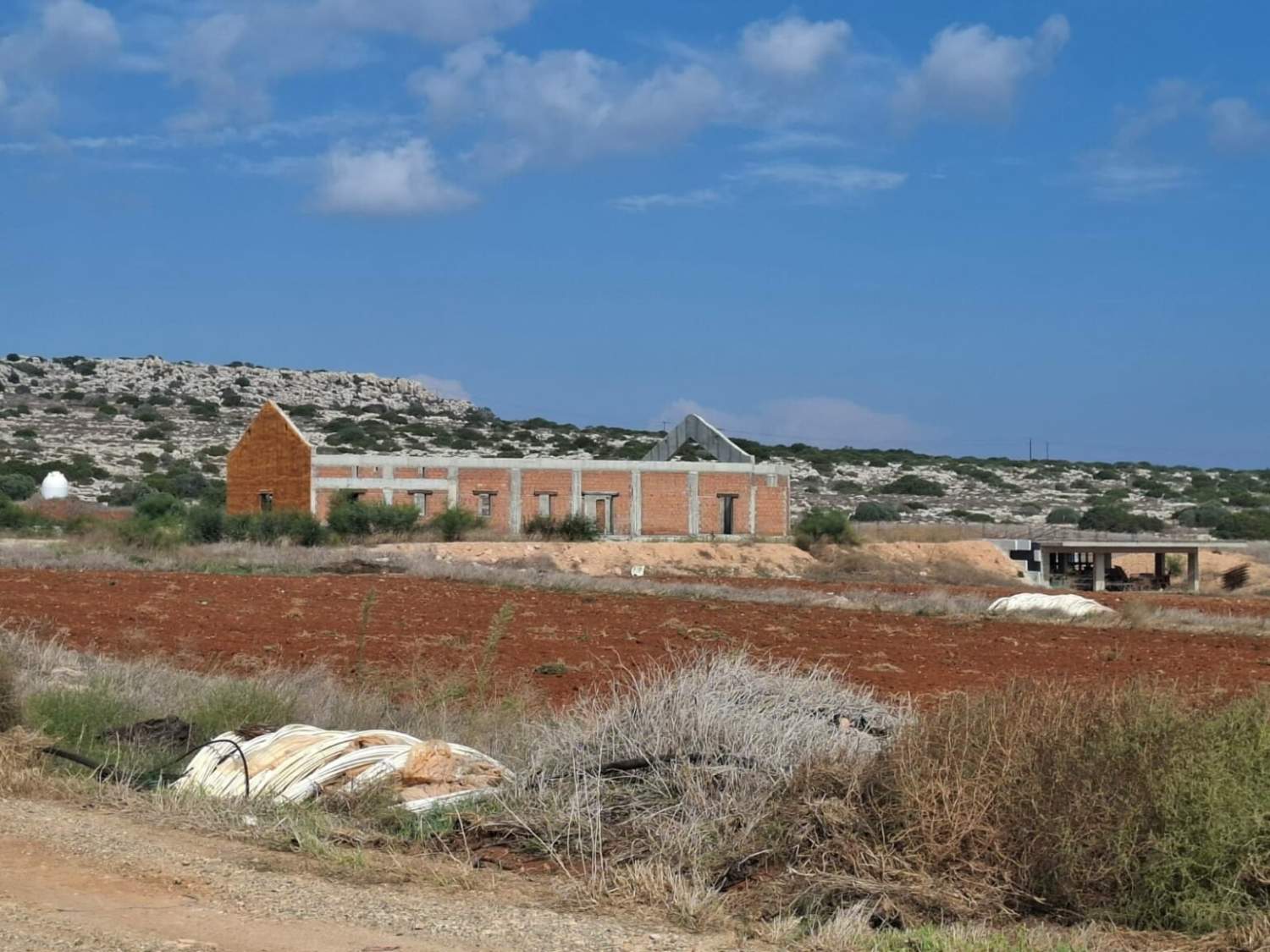
A planning council decided unanimously on Friday to re-examine the Metropolis of Constantia and Famagusta’s application for a monastery and a shelter for abused women and children at Cape Greco in Ayia Napa, after the church pledged to scale back its plans.
The Council for the Study of Planning Exemptions (SYMEPA), which makes recommendations to the cabinet, took the decision because of new information that has emerged since it last examined the application on 16 October. It will reassess the file at a new session, which has yet to be scheduled, in light of the reduced plans and the environmental submissions.
In letters dated 6 and 11 November, the Metropolis told the council it would make extensive changes to its original plans. It would scrap buildings accounting for more than 50 per cent of the plot ratio, leaving a final application that covers only the monastery and the shelter.
The council based its decision to re-examine the file, rather than make a final recommendation straight away, on Regulation 15(3) of the Town and Country Planning (Exemptions) Regulations (KDP 309/99). Under the regulations, the council must consider all the information demonstrably placed before it, and only then make a reasoned recommendation to the cabinet.
On 11 November, the Metropolis also submitted an independent opinion by specialist scientists. The opinion, an assessment under Article 6(3) of the Habitats Directive (92/43/EEC), examines how the project would affect natural habitats and wildlife at Cape Greco, which lies within the EU’s Natura 2000 network of protected areas.
Auditor General and environmental groups
The Auditor General wrote to the Secretary of the Cabinet on 27 October, copying in the SYMEPA chairman, to set out various issues concerning the development. The same day, the Movement of Ecologists – Citizens’ Cooperation submitted its own position on the project by email.
The environmental organisations Terra Cypria and BirdLife Cyprus sent a joint letter to the Interior Minister and SYMEPA on 29 October. The letter raised objections, comments and reasoned recommendations about the appropriate assessment study that the Metropolis originally submitted. The two groups had already raised the same concerns with the Department of Environment in July.

