


Cyprus recorded 21 human cases of West Nile virus and two equine outbreaks during this year’s transmission season, according to the European Centre for Disease Prevention and Control (ECDC), as the virus spread across Europe at record levels.
Across the European Union and European Economic Area (EU/EEA), 1,883 locally acquired human cases were recorded up to 4 November, the highest number ever reported, according to the ECDC’s monthly epidemiological update published on Thursday. The average for the same period over the previous decade was 698.
Despite the sharp rise, the ECDC said there was no evidence that the disease had become more severe than in previous years. The case fatality rate among reported cases was about 8 per cent, compared with a ten-year average of 10 per cent, while rates of hospitalisation and neurological complications were also below the averages for the past decade.
Cyprus was one of 15 countries to record locally acquired infections, with the virus detected in 211 regions, its widest geographical spread since European surveillance began.
A total of 148 deaths were reported. Italy recorded the most cases, with 783 infections and 60 deaths, followed by Greece with 469 cases and 53 deaths. France registered 191 cases, Spain 149, Romania 125 and the Netherlands 76.
Greece and France both recorded the highest numbers of human cases in their history. Belgium detected locally acquired human infections for the first time, while the virus also spread to more areas of northern Europe.
Comparisons between countries require caution, however, as differences in surveillance systems, diagnostic practices and blood donor screening can affect how many cases are detected.
Most cases involved men aged 65 and over. Of all patients recorded, 76 per cent needed hospital treatment and 56 per cent developed neurological symptoms. However, these rates do not reflect the risk to everyone infected. According to the ECDC, most infections cause no symptoms or only mild illness and so go unrecorded by surveillance systems. Confirmed cases therefore represent only a fraction of actual infections, with severe cases more likely to be diagnosed and notified.
Human cases in Europe peaked in August, while activity among birds and equids was highest between late August and early September. It has since fallen significantly.
The ECDC said environmental conditions were gradually becoming less favourable for transmission, although it did not rule out isolated cases in the coming weeks. Further cases may also be added to the official figures because of delays in reporting infections from previous months.
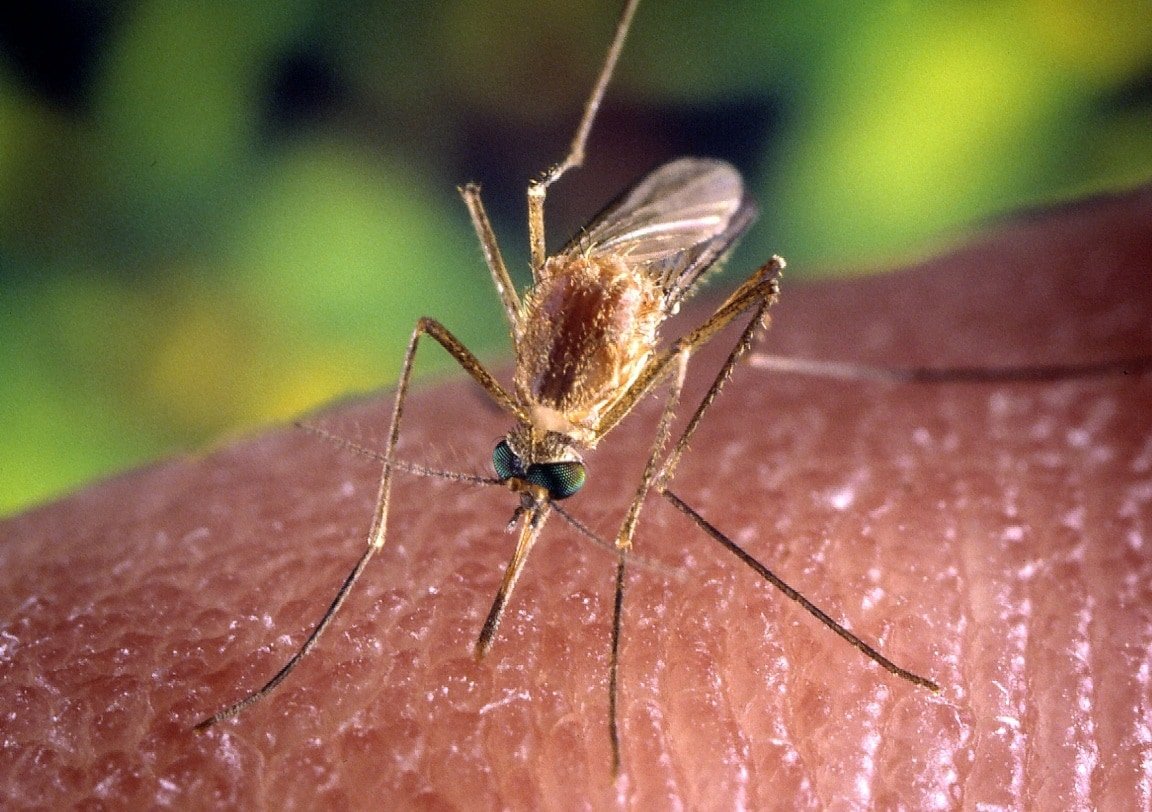
West Nile virus is mainly transmitted through the bites of infected mosquitoes, with birds playing a key role in its natural cycle. Humans and horses can become infected but do not usually pass the virus on through mosquitoes.
This season, EU/EEA countries also registered 680 outbreaks among equids, the animal family that includes horses, and 769 among birds. Differences in spread between countries may be linked to climate and environmental conditions, the presence of suitable mosquito and bird species, and the intensity of surveillance.

