


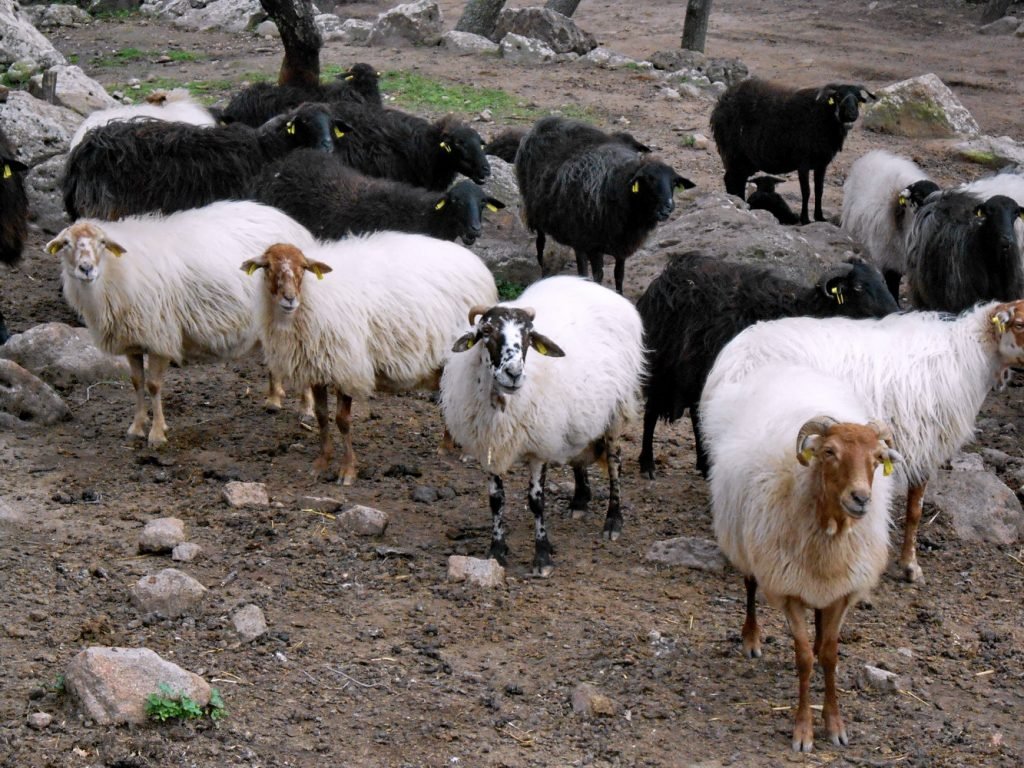
Cyprus’s Veterinary Services confirmed outbreaks of bluetongue virus in sheep at two holdings in the Larnaca and Paphos districts between October and November 2025, and have taken all appropriate measures to prevent the virus spreading to other units. The outbreaks mark the reappearance of serotype 4 (BTV-4) in Cyprus. The virus spreads exclusively through insect vectors.
According to official data submitted to the World Organisation for Animal Health (WOAH) on August 20, 2026, two specific outbreaks were recorded. One was found in Steni, in the Paphos district, on October 8, 2025, involving five cases out of 137 susceptible sheep. The other was found in Aradippou on November 21, 2025, involving one case out of 20 susceptible sheep.
The authorities clarified that bluetongue is exclusively a viral disease affecting ruminants and is not transmitted to humans under any circumstances. There is no risk to consumers from drinking milk, eating meat or consuming their derivatives.
Bluetongue affects ruminants, including sheep, goats and cattle, with sheep showing the most severe clinical symptoms. The virus is not transmitted directly between animals through contact. It spreads exclusively through blood-feeding midges and mosquitoes of the Culicoides genus.
The Veterinary Services are urging farmers to monitor their flocks daily to catch early signs of the disease. These include high fever of up to 42°C, severe lethargy, swelling around the mouth, eyes and ears, and nasal discharge that starts watery and turns thick, along with excessive drooling. Other symptoms include inflammation and sores in the mouth, with blue discolouration of the tongue rarely observed, and lameness caused by hoof inflammation.
To protect flocks and limit insect vectors, the Veterinary Services recommend using approved insect repellents on animals, regularly spraying stables with suitable insecticides, limiting grazing in the late afternoon when mosquito activity peaks, and controlling animal movements.
The outbreak represents the reappearance in Cyprus of a strain that had previously been eradicated.

