


The Environmental Authority has halted the construction of a 4.99MW photovoltaic park in the community of Steni, Paphos district, due to concerns over the impact on the rare Rhinolophus euryale bat species.
This decision follows a specific condition from the Strategic Environmental Impact Assessment (SEIA) dated 21 February 2022, which mandates case-by-case reviews of applications for photovoltaic installations within a 2.2 km radius of Steni to protect this rare bat species.
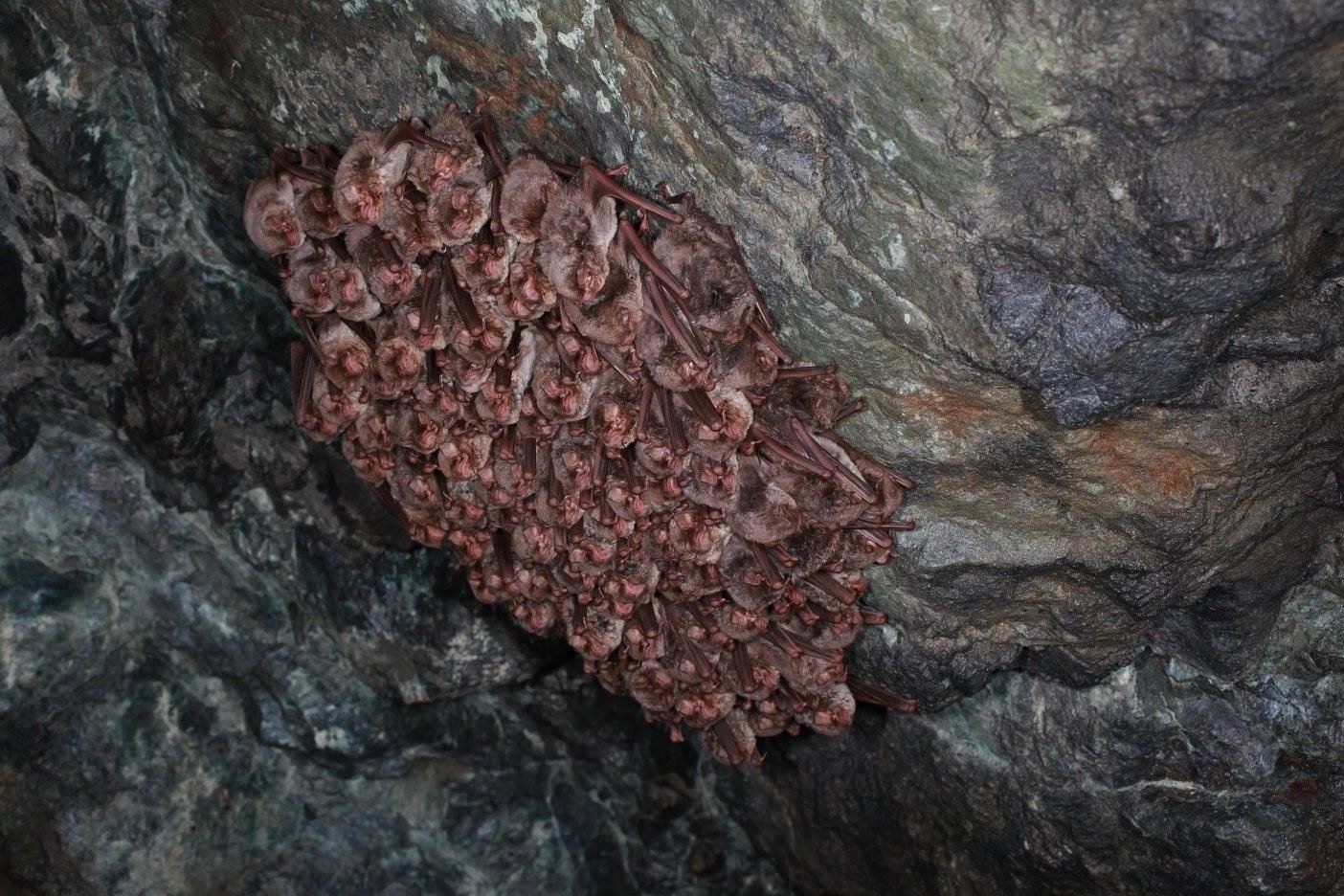
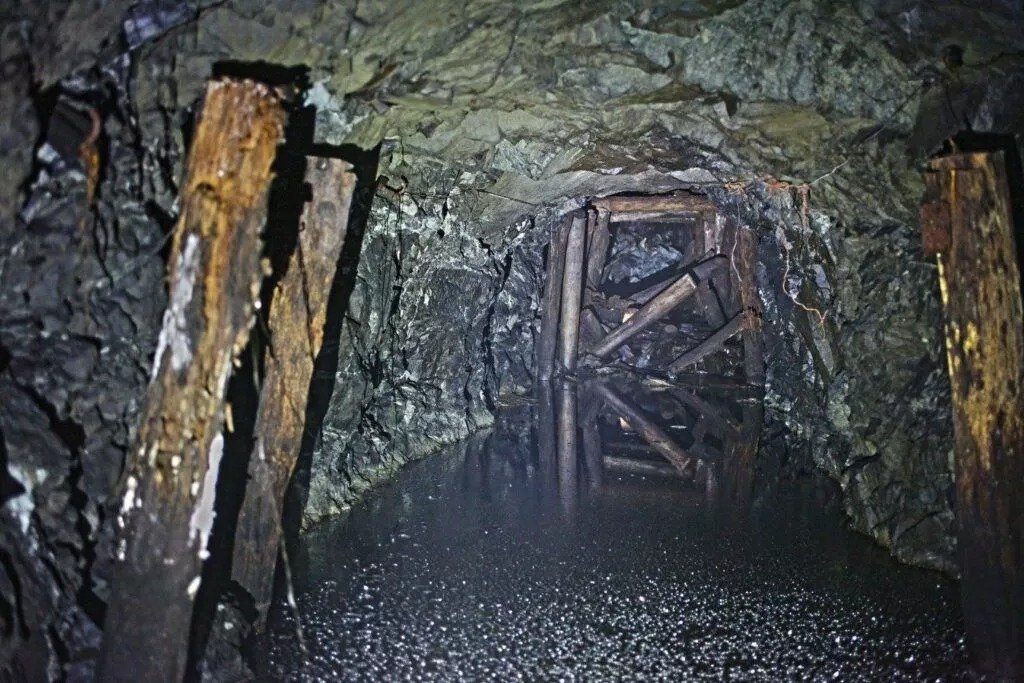
The proposed site is approximately 660 meters from a shelter housing the Rhinolophus euryale and 850 meters from a migratory bird corridor. This cave is the sole breeding ground for the Rhinolophus euryale in Cyprus, with an estimated population of 120 to 200 bats. Classified as “Near Threatened” by the IUCN, the Rhinolophus euryale is the rarest bat species in Europe.
Foraging within a 2.2 km radius, the bats require a conservation area extending to 5 km. Recent studies show that their foraging area varies, ranging from 1.8 sq km to as much as 7.5 sq km depending on the reproductive cycle.
These bats favour warm forested areas near water sources for their shelters and prefer open spaces with crops like olive groves for feeding, avoiding residential zones and conifer plantations. They mate in winter, with gestation lasting about 7 weeks and lactation around one month, and have a lifespan of approximately 7 years.

