


Russian and Ukrainian officials were due to begin two days of US-brokered talks in Abu Dhabi on Tuesday, their first since February, Reuters reported. The talks follow US President Donald Trump’s suggestion last week that a broad peace deal to end the four-and-a-half-year war was possible and could incorporate Europe’s security.
France, Germany and the European Commission are among the European powers sending officials to the talks. However, Russia has made clear it does not want the Europeans to take part in the negotiations. Ukrainian delegates will instead meet the European allies separately to brief them on progress, officials in Kyiv said. The talks were scheduled to start at around 0630 GMT (8.30 am Cyprus time).
“We are doing everything to ensure that Europe is a participant in the diplomatic process,” the head of the Ukrainian delegation, Rustem Umerov, said on Monday.
Kremlin aide Vladimir Medinsky will again lead Russia’s delegation as chief negotiator. For the first time, the delegation will include Deputy Foreign Minister Sergei Ryabkov, along with senior military officer Yuri Zhigarlovsky.
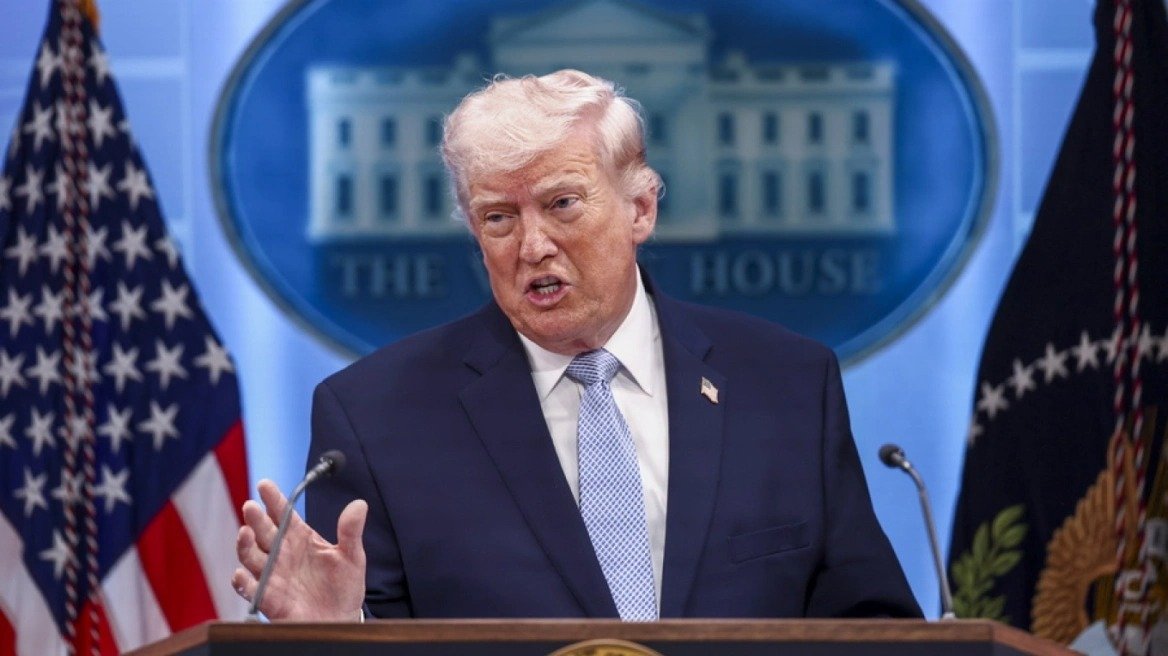
Trump predicted that a peace deal could emerge soon after meeting Russian President Vladimir Putin’s envoy privately at the White House last week. He has often said an agreement to end Europe’s deadliest conflict since World War Two was close, without one materialising. Negotiations have picked up again in recent weeks, however, after months in which Washington’s attention was focused on the war in Iran.
Territory
Putin has shown no public sign of dropping his demand that Ukraine give up the whole of the eastern Donbas region before a deal can be struck. Ukrainian President Volodymyr Zelenskiy has firmly refused to hand over land his forces have died defending. Russia’s front-line advances have slowed almost to a halt this year.
A US official told Reuters that US negotiators believe Zelenskiy and Putin may be willing to compromise on territory, with each side ceding a little. Under the proposed deal, Ukraine would get an end to the war, security guarantees and a roadmap to joining the EU.
A senior Ukrainian official strongly denied that the government would consider any such concessions. The official said territory could be discussed only at leaders’ level, and only in the context of appropriate security guarantees for Ukraine.
On the eve of the talks, Zelenskiy said Ukraine’s leverage was growing because of its recent battlefield performance, which has included retaking some territory in Donetsk, a coal-mining area of the Donbas.
“Ukrainian forces are currently genuinely strengthening Ukraine’s negotiating position,” he said in his nightly video address on Monday. He said Russia was suffering record losses, a claim Moscow disputes, and urged Washington to persuade the Kremlin to end the war.
Security deal
Trump said last week that envoys had been discussing a broader security deal that could involve the whole of Europe, but gave no details.
“It’s going to be a big agreement, and it’s going to involve more than Ukraine,” Trump said. He added that it might even involve all of Europe.
His comments drew a backlash from some European officials. They said any negotiations on European security needed the direct involvement of the governments concerned, and that Russia should have no role in setting European security policy.
Before launching its full-scale invasion of Ukraine in February 2022, Russia demanded that NATO withdraw its forces from countries that joined the alliance after 1997. NATO rejected the demand.
US officials, including Jared Kushner, Trump’s son-in-law and special envoy for Ukraine, held talks in Brussels last week with NATO, the European Union and major European powers, and discussed security guarantees.
Ukraine is also expected to be discussed on Tuesday, the second day of a G7 foreign ministers’ meeting in Paris, which Ukrainian Foreign Minister Andrii Sybiha will join. Before leaving for France on Sunday, US Secretary of State Marco Rubio said there had been “advances” on what Europe’s post-war security architecture could look like.
A truce on strikes against energy targets, announced by Trump last month, quickly collapsed. Ukraine has stepped up its attacks on Russian oil refineries in recent weeks, while Moscow has pounded Ukraine’s power grid and cities.
Zelenskiy has expressed hope that the Democrats’ win in last week’s US midterm elections could bring more support for Ukraine from Washington. Since Trump took office, the US has cut direct aid to Kyiv sharply, and Europe has become the main foreign funder of Ukraine’s budget and military purchases.
(Reuters)

