


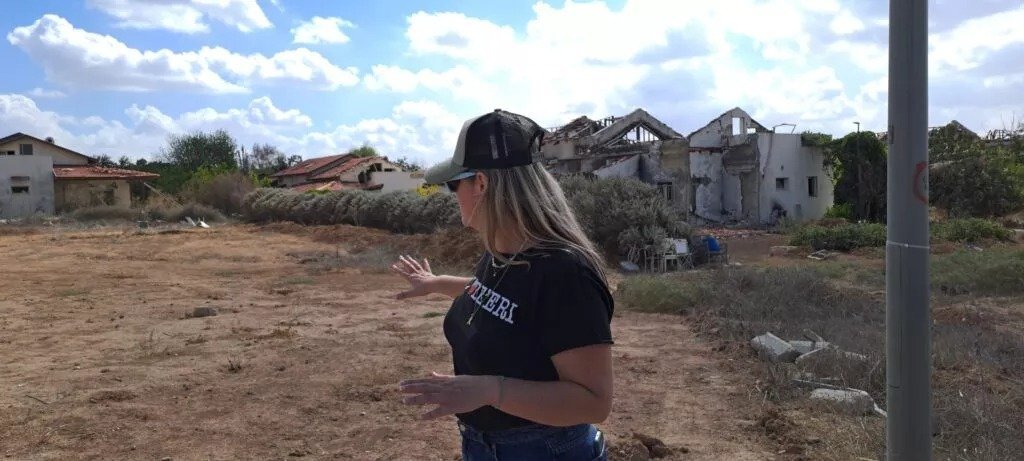
In the early hours of October 7, 2023, Hamas terrorists unleashed devastation on Kibbutz Be’eri, just a few kilometres from Gaza.
One year on, we walk the same paths where 1,200 people met a horrific end, and 100 innocent civilians – from infants to the elderly – were taken hostage.
Those who survived, who witnessed loved ones fall beside them, now find the strength to speak. They look to the future, their hope intact.
Tamir Leshets, at 25, has experienced events no one should endure. He features in the film “We Shall Dance Again”, which documents testimonies from Nova Festival survivors.
We met in Tel Aviv recently, where Tamir calmly recounted his traumatic experience. He and his close friends, Ron and Yuval, were enjoying the Nova Festival when dawn broke on 7 October. As the festivities peaked, explosions rang out and the music stopped abruptly.
They rushed to Tamir’s car amidst the panic. Eventually, they reached Road 232. Police directed them south, but after a short drive, Tamir decided to turn north.
“As we drove, a police vehicle signalled me to slow down. The officer shouted about terrorists approaching,” Tamir recalled. “Looking north, I saw them coming in cars, on motorcycles, by any means possible.”
As he attempted to turn back, the terrorists opened fire. “Bullets came from everywhere, shattering windows and puncturing tyres. The engine stalled,” he said.
“Ron, in the back seat, told me he’d been hit and thought he was dying. I turned to see him motionless – a bullet had passed through the windscreen and struck his abdomen.”
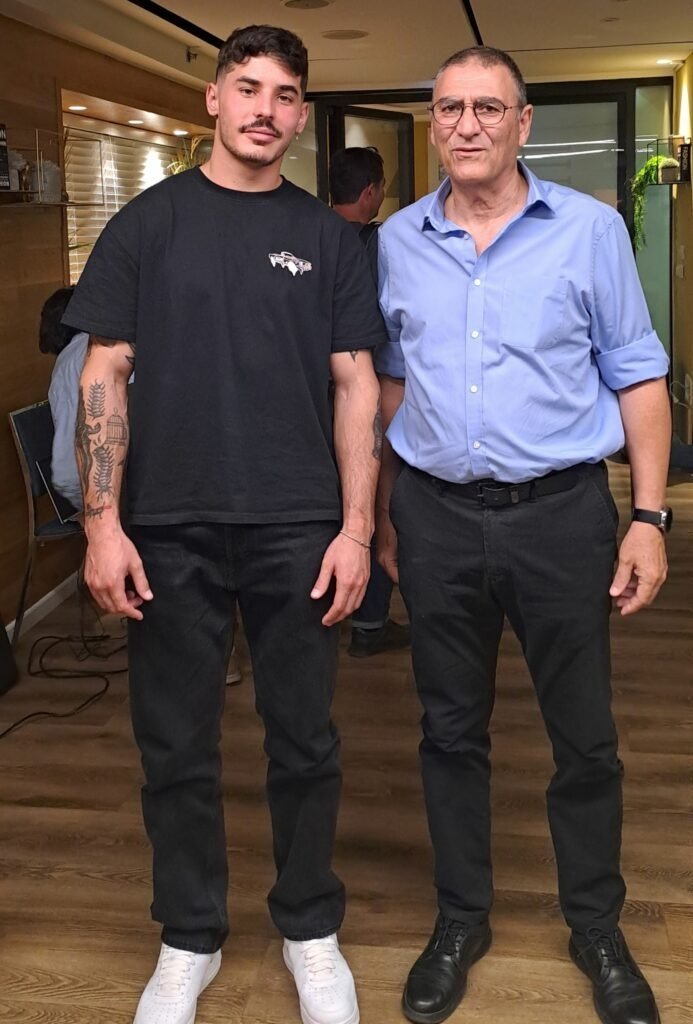
Tamir and Yuval managed to flee on foot, leaving behind their injured friend.
A year on, Tamir’s perspective has shifted dramatically: “The things that mattered before 7 October truly don’t count anymore.”
His powerful message echoes that of other survivors: “I haven’t lost hope. I continue to hope because if we lose hope, that would be the ultimate defeat.”
Amit Musai met us near Kibbutz Be’eri to guide us through the massacre site, now renamed “Nova Massacre site” to commemorate the over 350 young lives lost in mere minutes.
Amit and his friends arrived at the festival at 1:30 am on 7 October. As dawn broke, explosions were heard, the music stopped, and panic ensued. Amit managed to start his car and, avoiding the congested main road, drove cross-country to escape.
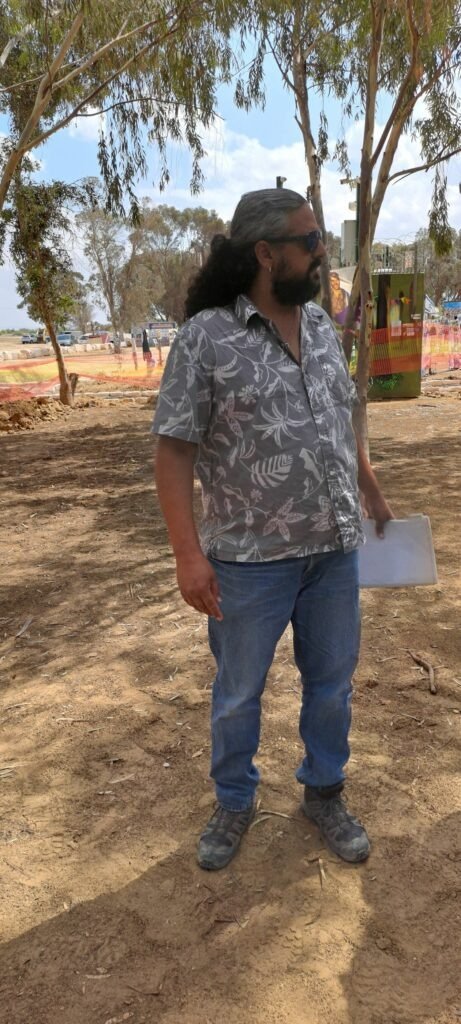
As they fled eastward, they spotted a vehicle with a dead passenger – an ominous sign that this was more than just rocket fire. They reached a restaurant, only to come under machine gun fire from terrorists. While Amit and his companions survived, three of their friends – Adir, Shiraz, and Selim – who had sought shelter in a bunker on Road 232, were not as fortunate. Their last communication was around 7 am, just minutes before the terrorists found them.
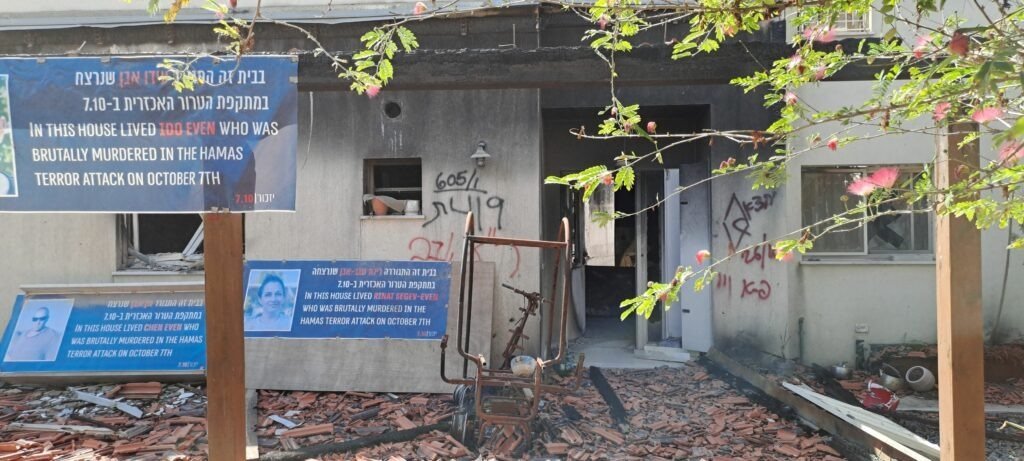
Miri Gad, another survivor, guided a group of journalists through Be’eri, in a neighbourhood adjacent to the fence that failed to protect the kibbutz residents. Gaza is visible from here, just 3-4 kilometres away.
Approximately 102 people were massacred within minutes. Miri, who survived, recounted her harrowing experience: “We lived in a building with four flats. We were in the ‘safe room’ when the terrorists arrived. They tried to blow up doors, and where they couldn’t, they set fire to homes.”
“When they reached our flat, they couldn’t break through the door my husband had secured. So they started fires in each room. The security door began to heat up, and smoke filled our safe room.”
Miri and her family, including her son who broke his leg during their escape, managed to flee with the help of neighbours Ayelet and Eitan, who risked their lives to assist them.
In Ofakim, Mazi Deri and Daniel Royem Uri shared the community’s ordeal. Terrorists arrived in two lorries, split into three groups, and began their deadly assault. They carried maps and knew precisely where to strike. In one neighbourhood, they were aware of a single community shelter and waited to ambush fleeing residents.
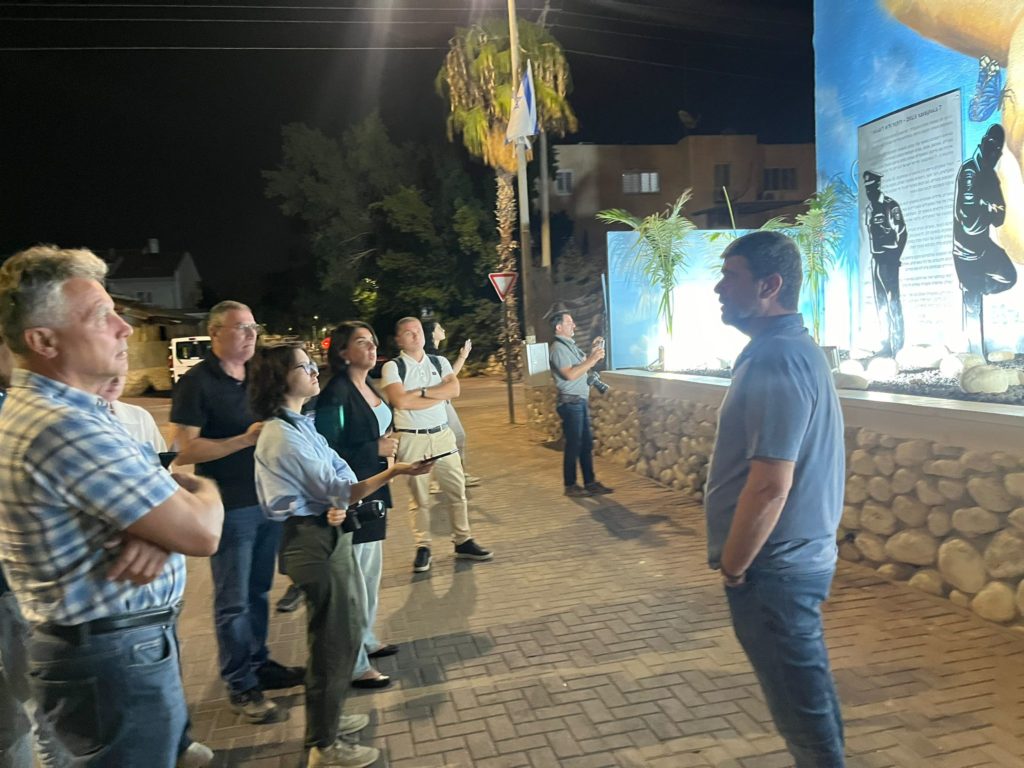
As Mazi and Daniel recounted the events, two elderly women approached the memorial. They were the aunts of the “barefoot soldiers”, as they became known – local men who rushed to confront the terrorists with just two weapons. Despite their bravery, they were outnumbered and overwhelmed.
Ofakim, a small community on Gaza’s perimeter, suffered around 50 casualties, mostly in one neighbourhood.
Despite the trauma, survivors are rebuilding their lives, determined not to let terror win. They say it, believe it, and demonstrate it daily. They are gathering the pieces once more, looking forward because they want to live. They will survive again, refusing to let terror defeat them.

