


NATO air defences shot down an Iranian ballistic missile heading into Turkish airspace on Wednesday, drawing a member of the trans-Atlantic alliance into the Middle East conflict for the first time — but conflicting reports left the missile’s intended target unclear, with Cyprus emerging as a possible destination.
The Turkish defence ministry said the missile had crossed Iraqi and Syrian airspace before being destroyed by NATO air and missile defence systems in the eastern Mediterranean. Reuters reported that it was unclear where the missile was headed. However, an anonymous Turkish official told AFP the missile was believed to have been aimed at a military base in Cyprus but veered off course.
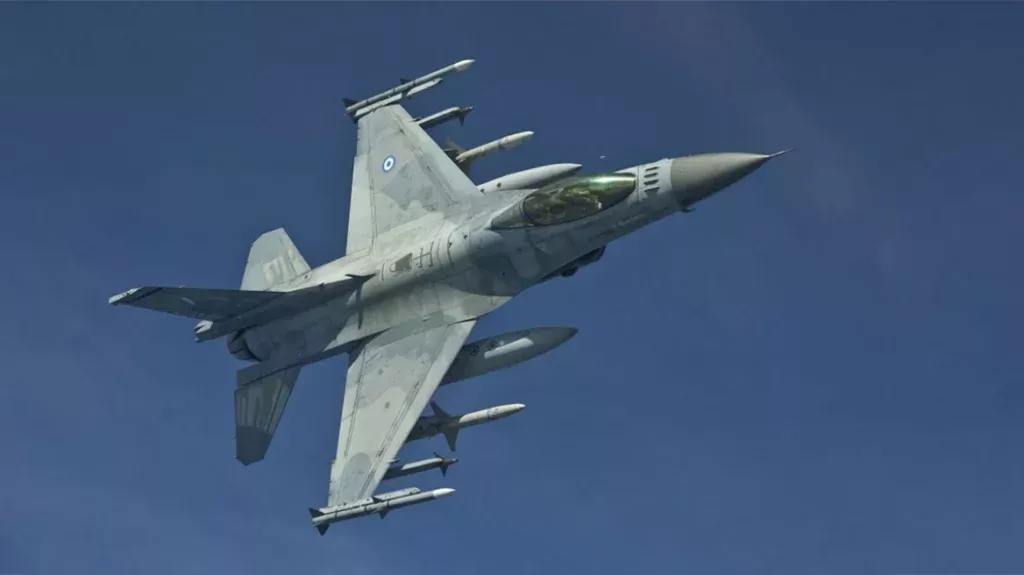
Adding to the uncertainty, Cyprus government spokesman Constantinos Letymbiotis said two Greek air force F-16s stationed on the island scrambled on Wednesday to locate and intercept an object travelling from Lebanon toward Cyprus. They found nothing.
Debris from the intercepting NATO missile fell in the Dörtyol district of Hatay province in southern Turkey, where there were no casualties. The US has air forces stationed at Incirlik base, also in southern Turkey, in an area neighbouring Hatay province. Iran did not immediately comment on the incident.
Turkey, which had sought to mediate US-Iran talks before the air war began at the weekend, warned all parties to refrain from further escalation, suggesting it was not poised to call upon the alliance for support. Senior Turkish officials made no mention of Article 4, and Ankara did not comment when asked by Reuters.
Ankara could nonetheless potentially invoke Article 4, which commits allies to consult whenever the territorial integrity, political independence, or security of a member is threatened — a step that could in turn lead to Article 5, which obliges all members to come to a threatened ally’s defence.
US Defence Secretary Pete Hegseth said there was no sense the incident would trigger Article 5, which has only been invoked once before, after the September 11, 2001 attacks. A NATO spokesperson condemned what it called Iran’s targeting of Turkey — which has the bloc’s second-largest military — and said the alliance stood firmly with all allies.
Turkish Foreign Minister Hakan Fidan conveyed a formal protest to his Iranian counterpart Abbas Araqchi by phone after the incident, a Turkish diplomatic source said.
The ministry said in a statement that all steps necessary to defend Turkish territory and airspace would be taken “without hesitation,” adding that Ankara reserved the right to respond to any hostile actions and would continue to consult with NATO and other allies.
Read more:

