


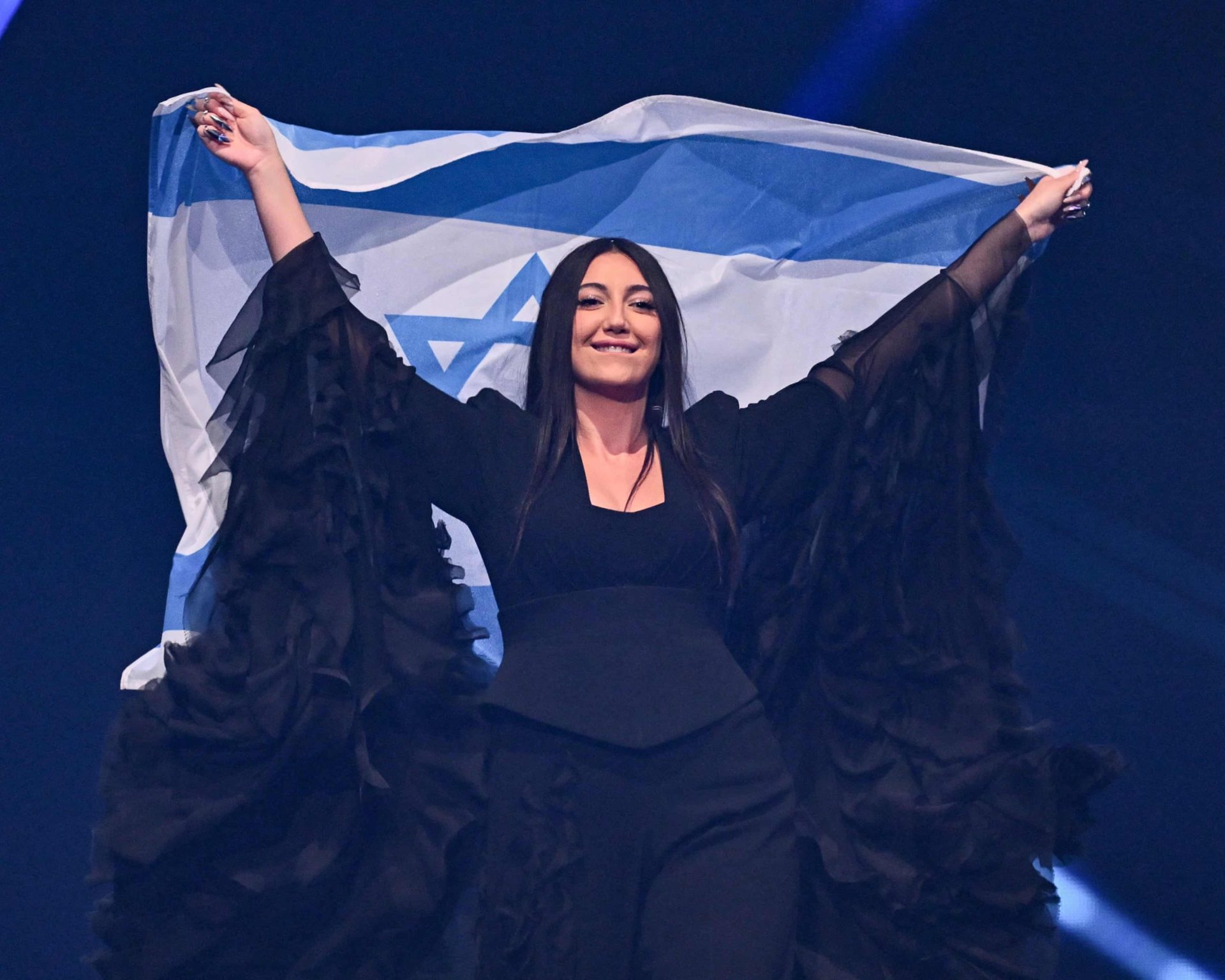
Ireland, Spain, the Netherlands, and Slovenia have announced their withdrawal from the 2026 Eurovision Song Contest after the event’s organiser, the European Broadcasting Union (EBU), allowed Israel to compete despite accusations over unfair voting practices and calls for its exclusion over the war in Gaza.
Broadcasters from the four nations had been among a group of countries demanding Israel be barred from the contest. However, at a meeting in Geneva on Thursday, a “large majority” of EBU members agreed there was no need for a separate vote on Israel’s participation and that the contest could proceed as planned, according to the EBU.
The decision has immediately exposed a deep rift within the Eurovision community. Ireland’s state broadcaster, RTÉ, said its continued involvement was “unconscionable given the appalling loss of lives in Gaza and the humanitarian crisis there which continues to put the lives of so many civilians at risk.”
Spanish broadcaster RTVE, one of the competition’s five largest financial contributors, had led calls for a secret ballot on the issue. RTVE’s board agreed last September that Spain would withdraw if Israel was part of the contest, adding that the EBU’s decision had increased its “distrust of the festival’s organisation.” The withdrawal also means RTVE will not broadcast the final or preliminary semi-finals.
The controversy was tied to a vote on new rules intended to discourage governments and third parties from organising voting campaigns for their acts, following allegations that Israel unfairly boosted its entrant, Yuval Raphael, this year. BBC News understands that voting to accept those measures was linked to a clause where members agreed not to hold a vote on Israel’s participation.
Slovenia’s broadcaster, RTV, said its position “remains unchanged,” noting that the recent rule changes do not alter its view. “As a public service broadcaster, RTV Slovenia is committed to upholding ethical principles and expects that equal rules and standards apply to all EBU members and all participating countries,” RTV added.
Martin Green, director of the Eurovision Song Contest, said he was “pleased” that members had been given an “opportunity to debate” Israel’s place before the vote. He added that the “emphatic result” showed a collective belief that the contest “shouldn’t be used as a political theatre; it must retain some sense of neutrality.”
Israel’s President Isaac Herzog praised the decision to allow the country to compete, calling it “an appreciated gesture of solidarity, brotherhood, and co-operation, symbolising a victory over those who seek to silence Israel and spread hatred.” The CEO of Israel’s broadcaster, KAN, Golan Yochpaz, called the attempt to disqualify its entry a “cultural boycott.”
Those who approved of the changes included Nordic broadcasters from Norway, Sweden, Finland, Denmark, and Iceland, who issued a joint statement saying they “supported” the EBU’s decision to “address critical shortcomings” in the voting system. Germany, which had previously threatened to leave the contest if Israel was removed, welcomed the decision, with its broadcaster ARD saying it was “looking forward to participating” next year, “embracing it as a celebration of cultural diversity and solidarity.”
Read more:

