


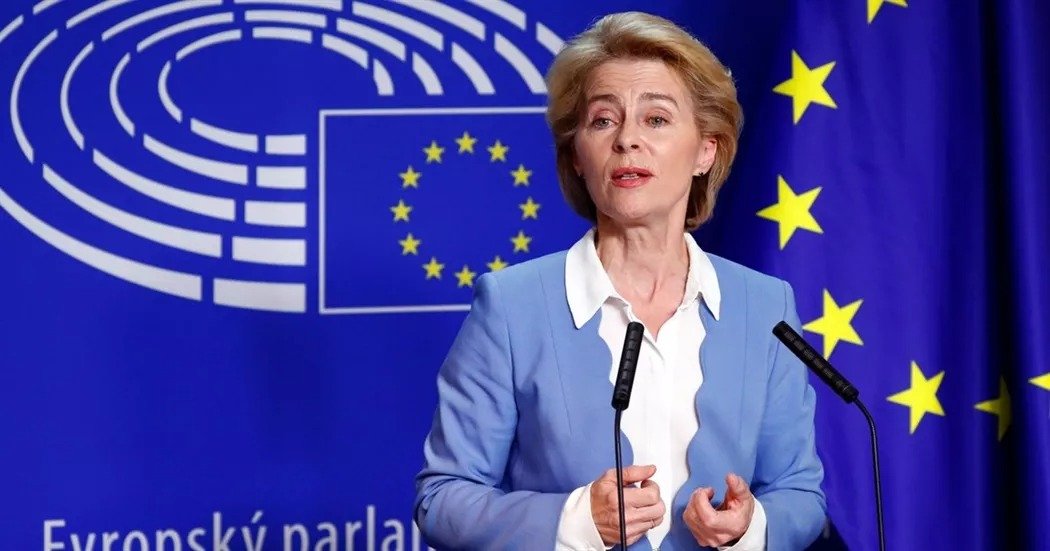
The European Commission reaffirmed on Sunday its determination to systematically reduce dependency on Russian fossil fuels, making clear it will not mirror recent US moves to ease war sanctions on Moscow in exchange for a release of energy supplies.
In a briefing issued on Sunday, 11 October, the Commission reiterated the bloc’s strategic stance on Russian energy imports, pushing back against Washington’s decision on Friday to license the sale and import of Russian-origin diesel.
“The EU is reducing its dependence on Russian fossil fuels and will resolutely continue to do so,” the official line stated. “Europe knows too well the hidden costs linked to over reliance on Russian hydrocarbons. And Europe does not wish to fuel Russia’s war against Ukraine.”
Alongside its commitment to energy independence, the Commission called for targeted diplomatic efforts to protect energy infrastructure and agricultural supplies in both countries.
“We continue to believe that a ceasefire which would protect global food supplies and Energy Infrastructure in Ukraine and Russia is needed,” the briefing added.
The Commission’s line comes in the backdrop of a growing rift between Brussels and Washington over how to handle Russian energy restrictions.
On Friday, US President Donald Trump announced that Washington had reached an agreement with Moscow to release diesel supplies to curb domestic fuel prices ahead of upcoming US midterm elections.
The US Treasury subsequently issued a license allowing the import and shipment of Russian-origin diesel through April 2027.
The deal followed US-led discussions regarding a potential ceasefire targeting energy infrastructure, during which Moscow demanded sanctions relief.
The US decision drew criticism from Ukrainian President Volodymyr Zelenskyy, who termed the move “weak” and criticized Washington for bypassing Ukrainian negotiators.
By contrast, European Union officials noted that the bloc will maintain its legally binding phase-out of Russian natural gas and petroleum imports under the REPowerEU framework, rejecting any loosening of restrictions that could indirectly finance the Kremlin’s military campaign.
Read more:

