


The European Parliament on Tuesday backed a report setting out how the EU should approach corporate taxation as governments around the world reshape international tax rules.
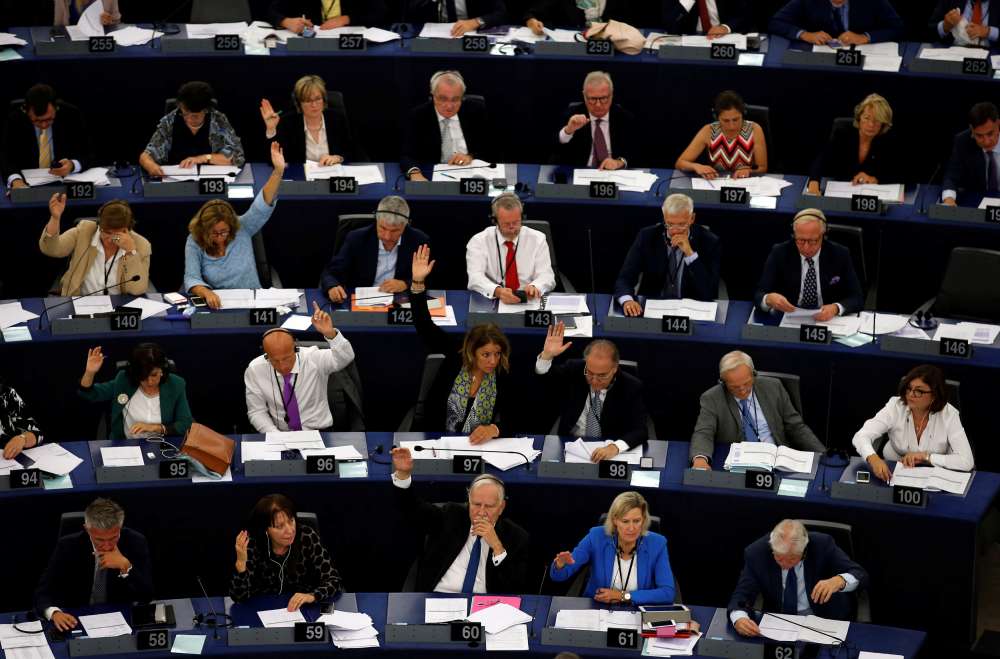
MEPs adopted the report by 364 votes to 69, with 162 abstentions, giving broad support to recommendations aimed at making the international tax system more consistent while reducing complexity for businesses operating across the EU.
The report, prepared by Hungarian MEP Kinga Kollár of the European People’s Party (EPP), focuses in particular on the future of the OECD’s global minimum tax and its interaction with a new agreement designed to accommodate the US tax system.
The vote comes as the EU faces a balancing act over corporate taxation: maintaining efforts to prevent tax avoidance and ensure multinational companies pay a minimum level of tax, while at the same time reducing what European institutions and businesses describe as increasingly complex compliance requirements.
Background: EU corporate tax reform
At the centre of Parliament’s report is the OECD’s Pillar Two global minimum tax, which seeks to ensure large multinational companies face a minimum effective tax rate and reduce incentives to shift profits to low-tax jurisdictions. Its implementation remains uneven globally, and the OECD has continued to develop rules aimed at simplifying compliance.
The latest issue is how Pillar Two should interact with the US tax system. In January, the OECD Inclusive Framework agreed a “Side-by-Side” package allowing the global minimum tax to coexist with US tax provisions, including new safe harbours. Parliament is asking the OECD to assess whether the arrangement could weaken Pillar Two and wants the European Commission to assess its potential impact on member states’ tax revenues.
The debate forms part of a wider effort to simplify and coordinate corporate taxation across the EU. Corporate tax rates remain a national responsibility, but companies operating across the single market face different rules in each member state.
One of the Commission’s main proposals is BEFIT (Business in Europe: Framework for Income Taxation), which would create common rules for calculating the taxable profits of groups operating across the EU. The proposal is intended to reduce complexity and compliance costs while allowing member states to continue setting their own tax rates. BEFIT remains under negotiation and would require unanimous approval by EU member states.
The Commission has also made tax simplification a priority.
Its latest package seeks to streamline corporate tax rules and reduce overlapping reporting requirements while maintaining measures against tax avoidance and evasion. The Commission estimates the package could reduce business compliance costs by around €7.9 billion.
Parliament’s report calls for further simplification and asks the Commission to reconsider BEFIT in light of the new international tax rules, potentially through a narrower, step-by-step approach.
The report also addresses digital taxation, arguing that changes in the digital economy may require a rethink of how taxing rights are allocated. It supports broad international solutions but says member states should retain the option of unilateral measures, such as digital services taxes, if international negotiations fail to make sufficient progress.
Finally, Parliament backs continued EU engagement in negotiations on a UN Framework Convention on International Tax Cooperation, while stressing that the UN process should complement the existing OECD/G20 framework.
Overall, the report reflects the EU’s effort to balance stronger international tax rules and protection of tax revenues with competitiveness and simpler compliance for businesses.
(Sources: European Commission, OECD, United Nations)
Read more:

