


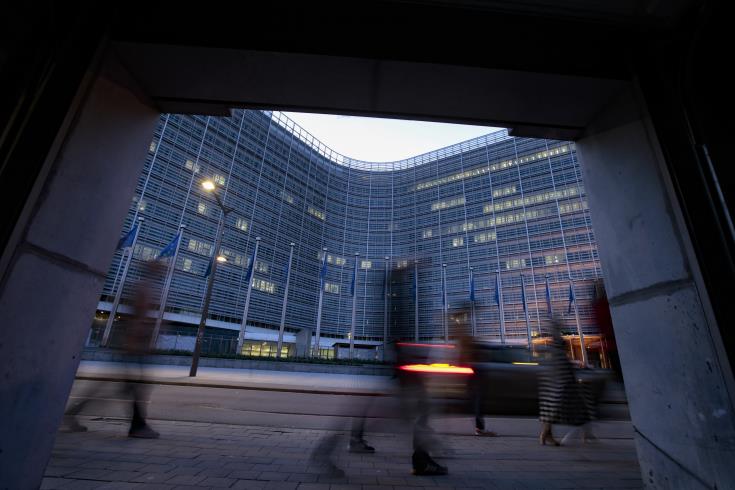
The European Commission this week put forward a package of proposals aimed at preparing the European Union for future enlargement, setting out changes to the bloc’s policies, budget and decision-making ahead of a possible expansion of its membership.
The proposals, presented as part of the Commission’s pre-enlargement policy reviews, are designed to ensure the EU can function effectively with additional member countries while maintaining its standards on rule of law and fundamental values.
The Commission said the EU can accommodate a larger membership under the existing treaty framework and future accession treaties. It identified administrative capacity, regulatory and supervisory systems, interoperable infrastructure and cooperation between national administrations as key areas that will need to be strengthened before accession.
The package also addresses the EU budget. Under the proposed 2028-2034 financial framework, candidate countries would receive funding through the EU’s Global Europe instrument before accession. Once they join, funding would shift to national and regional partnership plans, with additional support for areas including cohesion, agriculture, home affairs and cross-border cooperation.
Ukraine is singled out for specific treatment because of the size and structure of its agricultural sector. The Commission said targeted arrangements should limit financial support and market access for sensitive agricultural products while helping Kyiv regain access to traditional export markets outside the EU.
On decision-making, the Commission is pushing for greater use of qualified majority voting in selected areas where unanimity currently applies. It has called for the use of so-called passerelle clauses in areas including sanctions, tax fraud and certain energy-related fiscal measures. For enlargement itself, the Commission is proposing qualified majority voting for the opening of negotiating clusters and other intermediate decisions in accession talks.
The package also seeks to strengthen safeguards for countries after they become members. Future accession treaties could contain longer-lasting sectoral safeguards covering areas such as the economy, the single market and justice. A proposed institutional safeguard would address serious breaches of EU values and the principle of sincere cooperation. In the most serious cases, measures could include suspending a member state’s voting rights in the Council.
The Commission is also proposing a more structured approach to gradually integrating candidate countries before full membership. Countries meeting the necessary conditions could participate earlier in selected EU policies, particularly in strategic areas including energy, transport, digital services and defence. Participation would remain conditional and reversible, according to the recently adopted pre-enlargement package.
The proposals are expected to feed into discussions among EU governments and institutions on the bloc’s internal reforms and enlargement policy.
As part of its 2026 enlargement package, the Commission said it plans to present indicative roadmaps for Montenegro, Albania, Moldova and Ukraine, provided they maintain momentum on reforms. It will also set out a framework for gradual integration of candidate countries.
The initiative follows a process launched after Commission President Ursula von der Leyen called for preparations for future enlargement in her 2023 State of the Union address. EU leaders subsequently called for internal reforms to run alongside the accession process.
The Commission will now work with EU governments, the European Parliament and candidate countries to align accession negotiations with preparations inside the Union.
(Source: European Commission)
Read more:

