


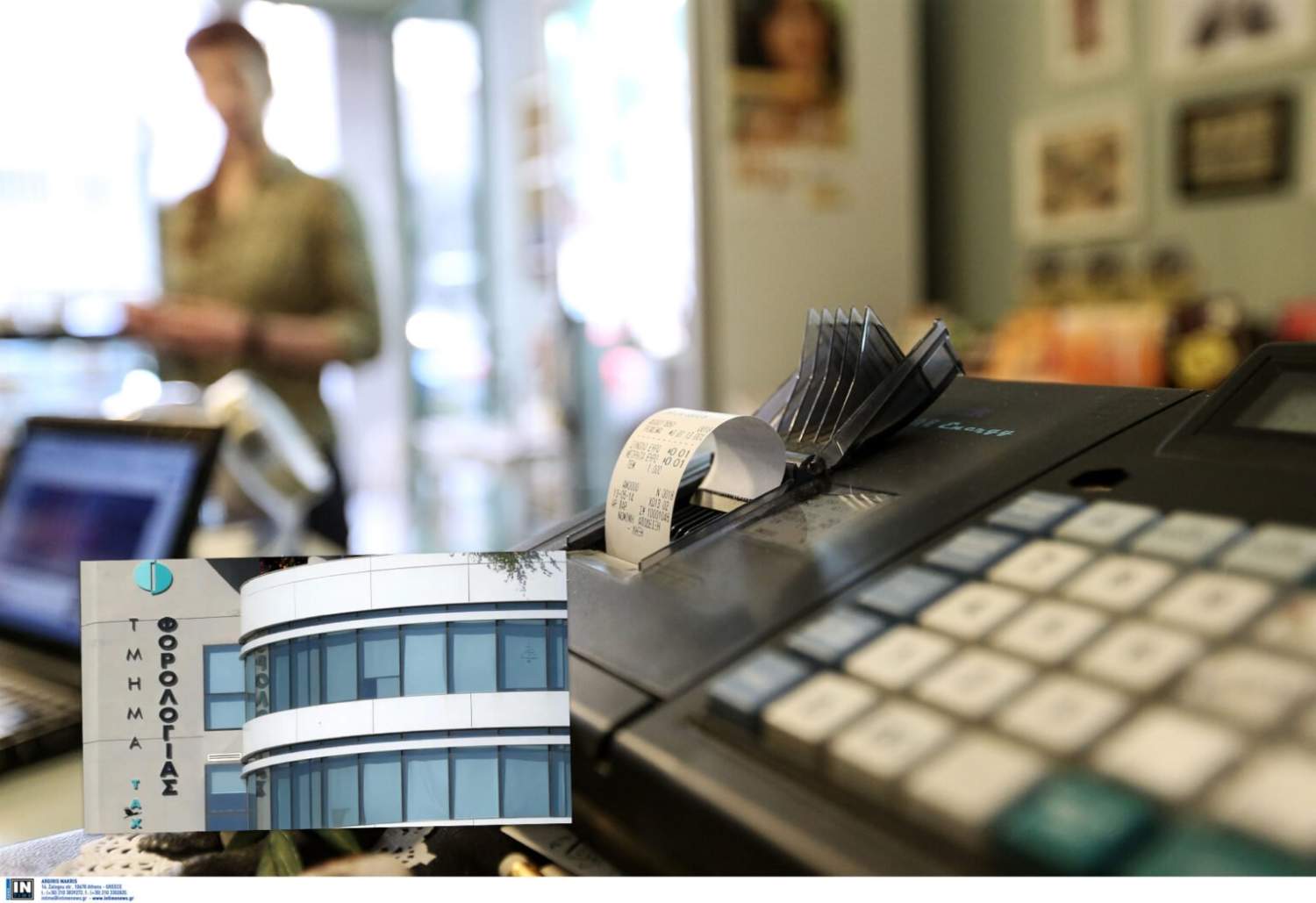
Tax Department officials have carried out 1,200 on-the-spot checks at entertainment venues in the six months since the tax reform laws took effect, Phileleftheros understands. The checks have prompted objections from owners to a legally required receipt device, which they say costs each business 550 euros.
The checks are meant to establish whether owners issue receipts and invoices, and so whether they comply with the law and pay their taxes.
The Fiscal Electronic Signature Device connects to a business’s receipt or invoice system and generates a unique electronic signature for every document. According to people familiar with its purpose, it allows inspectors to check that documents are correct and to spot possible irregularities.
The Cypriot Association of Leisure Center Owners (PASIKA) set out its objections in a statement on Monday. People close to the sector had been complaining to Phileleftheros in the preceding days. The association suggests the device is outdated, describing the legislation behind it as having been dormant for 17 years. It favours cloud-based methods, which it says “provide the same guarantees to the state at a much lower cost”.
PASIKA wants such technologies assessed objectively and the process suspended. It also wants the law amended, and an assurance that no administrative fines or sanctions will be imposed until the issue is resolved and agreement is reached on the device.
Tax Commissioner Sotiris Markides told Phileleftheros on Monday that the department “applies the law” and acts within its remit. He said the department’s specialists in such technologies had already examined PASIKA’s proposals. They had found that the cloud system was not compatible, and could neither record receipts and invoices nor allow effective checks.
Where officials had found owners using a cloud system, Markides said, the owners had been given a deadline to comply. He said the department had not abused its powers.
PASIKA wrote to Markides last week to raise its concerns. He responded immediately, and a meeting is expected late next week, Phileleftheros understands. Markides said the department was willing to hear the association’s views, which was why it had agreed at once to meet its representatives.
In the days before the statement, PASIKA members had also complained that the checks were numerous and carried out at weekends. They claimed this meant higher overtime payments for Tax Department officials. The department’s response is that the checks are not random and are carried out within the law. It says weekend checks make sense given the businesses’ turnover, and that its officials have been instructed to be particularly discreet.
PASIKA has also taken the issue to parliament. In a memorandum to members of the House Finance Committee, it calls for the law on connecting cash registers to the Tax Department, including regulation 224/2010, to be amended. The memorandum is signed by general secretary Fanos Leventis and was seen by Phileleftheros. It says the issue threatens the livelihoods of businesses in the sector and blames a unilateral and technologically outdated application of the law.
According to the memorandum, technology providers have already submitted cloud-based alternatives to the Tax Department. It says rejecting them solely on the basis of the letter of the existing law is holding the market back.
The association asks the committee to take up the matter on its own initiative and to summon the Tax Commissioner and other stakeholders. It wants a limited amendment making the law technology-neutral, so that any compatible modern digital solution would be accepted. It also wants a transitional period, with fines and sanctions suspended until the alternatives have been examined and the law changed.

