


Cyprus’s Council of Ministers approved a €11.16 billion state budget for 2027 on Wednesday, not including debt-servicing costs, alongside the Medium-Term Fiscal Framework for 2027-2029. The fiscal surplus is forecast to widen to 2.8% of GDP next year, up from 2.3% in 2026, while public debt is projected to fall to 46.6% of GDP from 49.9%.
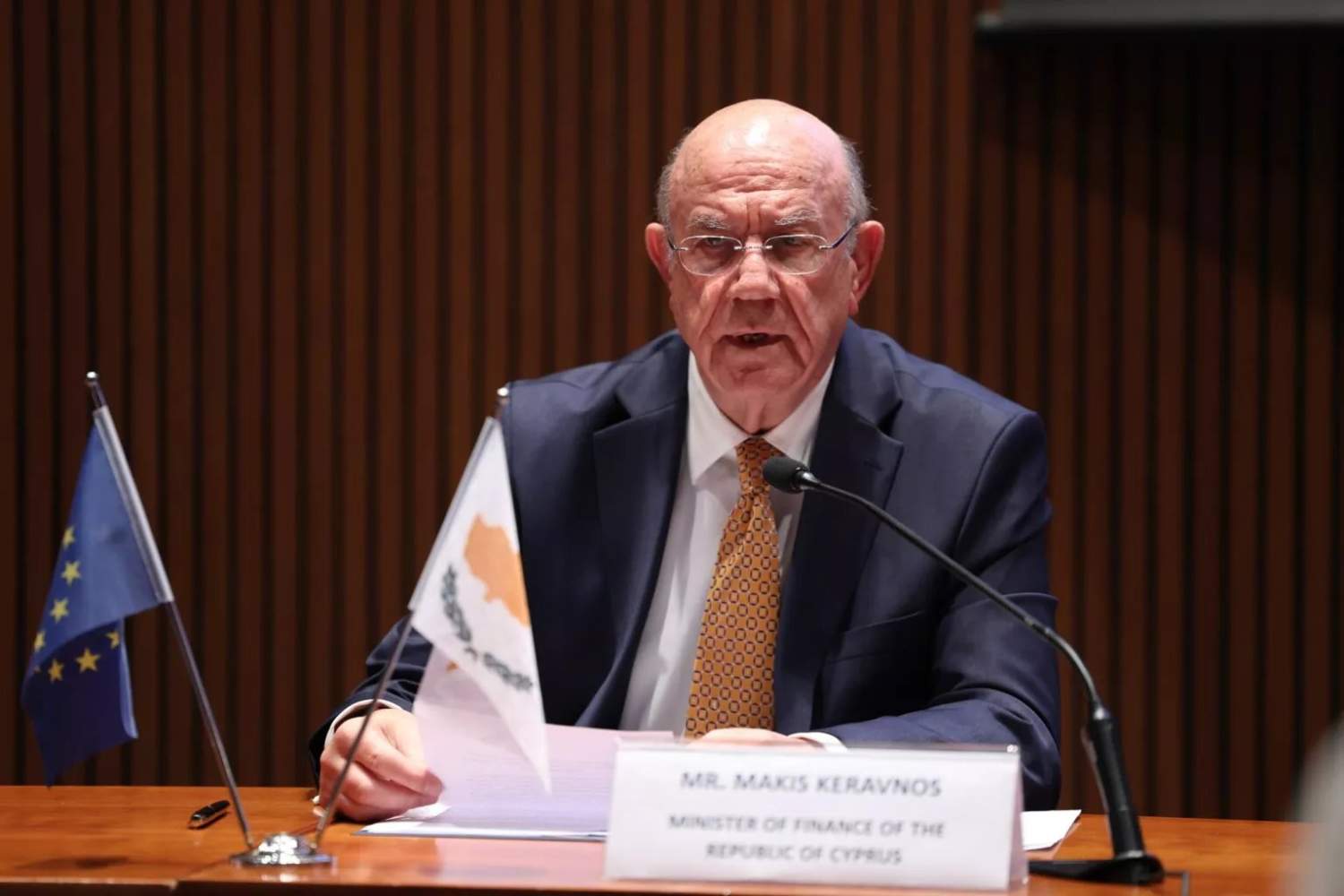
The economy is expected to grow by 2.9% in 2027, broadly unchanged from 2026, according to the Finance Ministry’s baseline macroeconomic scenario, with unemployment forecast at around 4.5% of the labour force. Finance Minister Makis Keravnos said the Cypriot economy is expected to continue operating under conditions of full employment. The Finance Ministry cautioned that, despite the positive medium-term outlook, significant uncertainty remains due to adverse geopolitical developments.
Keravnos described the new budget as balanced and development-oriented, with an emphasis on social cohesion, social policy and increased defence spending. He said its priorities include maintaining fiscal surpluses, restraining public sector employment, further reducing public debt, the green transition, digital transformation and infrastructure projects with significant added value.
The primary fiscal surplus is expected to reach 4% of GDP, up from 3.6% the previous year. Development spending is set to reach €1.165 billion, with capital spending rising by 2.1% compared with 2026. Social benefits spending, which includes education, health and social welfare, is forecast to grow by 2.9%. Particular emphasis is also being placed on defence spending in both the 2027 budget and the medium-term framework, though the announcement did not specify the scale of the increase.
For a third consecutive year, public sector employment is set to be restrained, with the 2027 budget providing for 51 fewer permanent posts compared with 2026. According to the Finance Ministry, total public service employment fell by 2,242 people between 2012 and 2026, while employment in the education sector rose by 3,342 over the same period.
The Finance Ministry identified worsening geopolitical developments and the unpredictable effects of climate change as the main fiscal risks, including natural disasters, possible compensation payments to the primary sector, and the need for additional investment in infrastructure, prevention and preparedness. It also said potential impacts from the Vasilikos gas terminal would need to be managed.

