


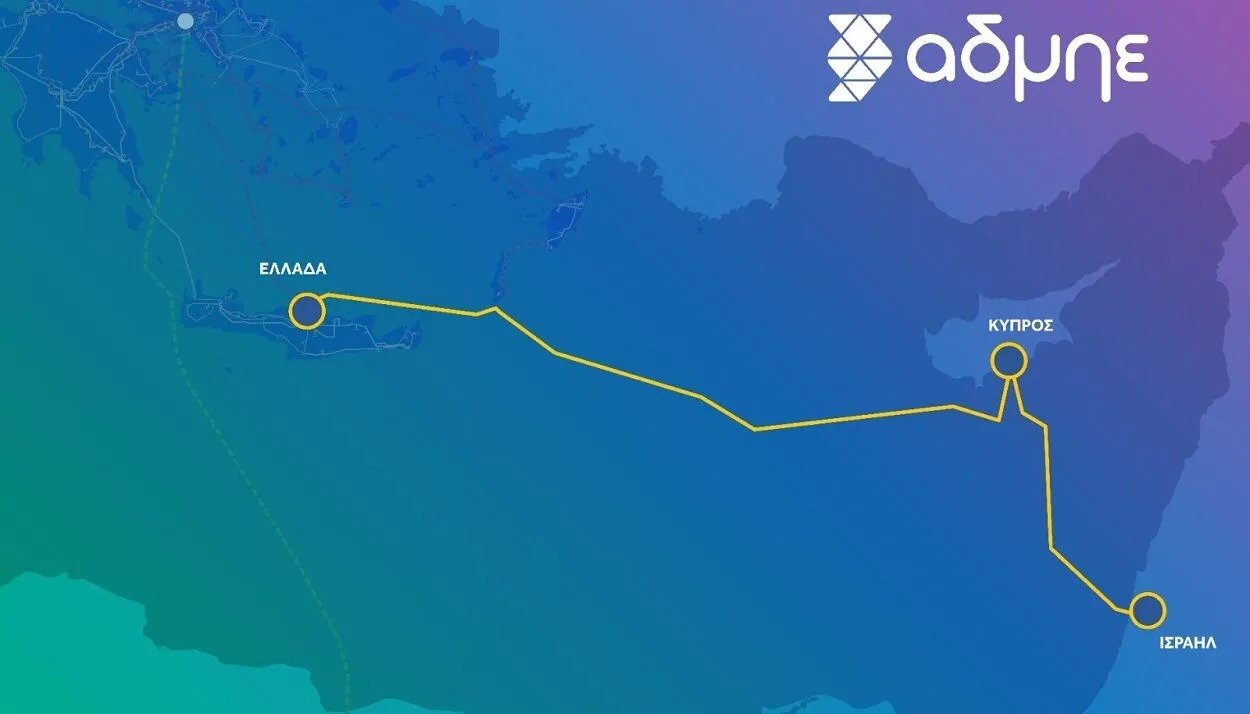
The Crete-Cyprus electrical interconnection project is moving towards a critical milestone in August, as contractor Nexans has indicated it will continue construction until then.
What happens afterwards cannot be predicted, with IPTO called upon to solve the Gordian knot and pressure for immediate cost recovery from both Greek and Cypriot regulatory authorities to ensure project liquidity.
Competent RAAEY sources explain that to approve the permitted revenue of €7.5 million for the cable, IPTO was required to submit data on operational expenses (opex) and other related projects, which was done at the end of last week.
The goal now is for relevant decisions to be taken at next Thursday’s plenary session, so cost recovery can begin through Greek consumers’ electricity bills from July.
However, there is no optimism from the Cypriot side, which appears reluctant to approve revenue collection, maintaining reservations about the electrical interconnection project’s outcome. As competent government sources note, you cannot fund a project when you do not know if it will happen and when.
The Greek government continues to speak vaguely about project implementation but took a step yesterday in Luxembourg at the Energy Ministers Council. Following coordinated actions, it succeeded in including explicit reference in EU Council conclusions regarding the need to protect Projects of Common Interest (PCI) – such as cross-border submarine cables – from third-country interference and obstacles.
This development gains particular significance given Turkish objections that have already caused over a year’s delay to the Crete-Cyprus project.
The same conclusions also emphasise the need to accelerate strategic cross-border infrastructure development as a means of strengthening the European Union’s energy security and resilience.
Cyprus President Nikos Christodoulides visits Athens today to speak at an energy conference by Kathimerini newspaper and the Financial Times. His presence coincides with intensifying pressure for clarification of Nicosia’s positions.
The Cypriot government, as communicated, is deeply concerned about whether it is prudent for IPTO to proceed with such large borrowing without certainty it can complete the project given geopolitical uncertainties.
In a recent Bloomberg interview, IPTO president and chief executive Manos Manousakis mentioned the difficulty IPTO faces securing funding from banking institutions, as lenders demand documents showing revenue recovery exists.
As he noted, for the project to proceed, there must be an active payment flow from regulatory authorities. Otherwise, financing is practically impossible and the project risks being “frozen”.
IPTO has already invested approximately €250 million, though the source of these resources is not clarified – whether they concern own capital, European funding, or a combination, given the project is partially covered by €658 million in resources whilst the remainder can be recovered gradually from regulatory authorities.
It is clear, however, that the operator faces a difficult situation regarding the cable, as if the project fails, it will be forced to return all European funding.
RAEK has committed to cover €125 million total, paying €25 million annually from 2026 onwards, whilst the remaining amount will be paid gradually if and when the interconnection becomes operational.
Conversely, RAAEY has committed to approve recovery of all justified project expenses during the implementation phase, rolling costs over to Greek consumers through electricity bills, which it declares ready to do immediately.
So far, the only positive signal for project progress comes from recent statements by French contractor Nexans.
Its management assured that work will continue until August 2025, implying payments from IPTO are secured until then. Operator executives note approximately 200 kilometres of cable have been manufactured, but if funding stops, work will cease.
(information from newmoney.gr)
Read more:

