



The EU and UK are edging towards a reset in student mobility, with last week’s summit putting the reduction of university tuition fees for European students in the United Kingdom back on the negotiating table, a development that could significantly reshape the options available to Cypriots looking to study abroad.
At the EU-UK summit on 20 November, leaders agreed to pursue a supplementary arrangement to the Trade and Cooperation Agreement on reciprocal tuition-fee treatment, alongside a Youth Experience Scheme and the UK’s participation in Erasmus+ from 2027. The commitments signal a broader attempt to rebuild ties after Brexit, but the tuition-fee question remains unresolved, with negotiations expected to continue over the coming six months.
For Cyprus, the stakes are particularly tangible as the UK was traditionally one of the most familiar destinations for Cypriot students, supported by longstanding academic, linguistic and social ties. Brexit disrupted that pathway, with newly enrolling EU students generally losing access to UK home-fee status and instead being charged international tuition fees, significantly increasing the cost of pursuing a degree.
The summit’s tuition-fee commitment could therefore mark a turning point if it translates into an agreement that meaningfully restores access to more affordable higher education.
While Erasmus+ will help restore university exchanges and short-term academic mobility, it does not automatically change the fee status of EU students pursuing full degrees in the UK. A reciprocal tuition-fee agreement could address that much more directly, depending on its final terms, eligibility criteria and implementation.
Cypriot MEP Loucas Fourlas, rapporteur on the Parliament’s report concerning outstanding issues affecting Europeans in the UK and Britons in the EU, welcomed the fact that tuition fees are now central to the summit discussions. He argued that a broader EU-UK cooperation framework covering trade, security and economic relations cannot overlook the financial barriers facing European young people seeking British higher education.
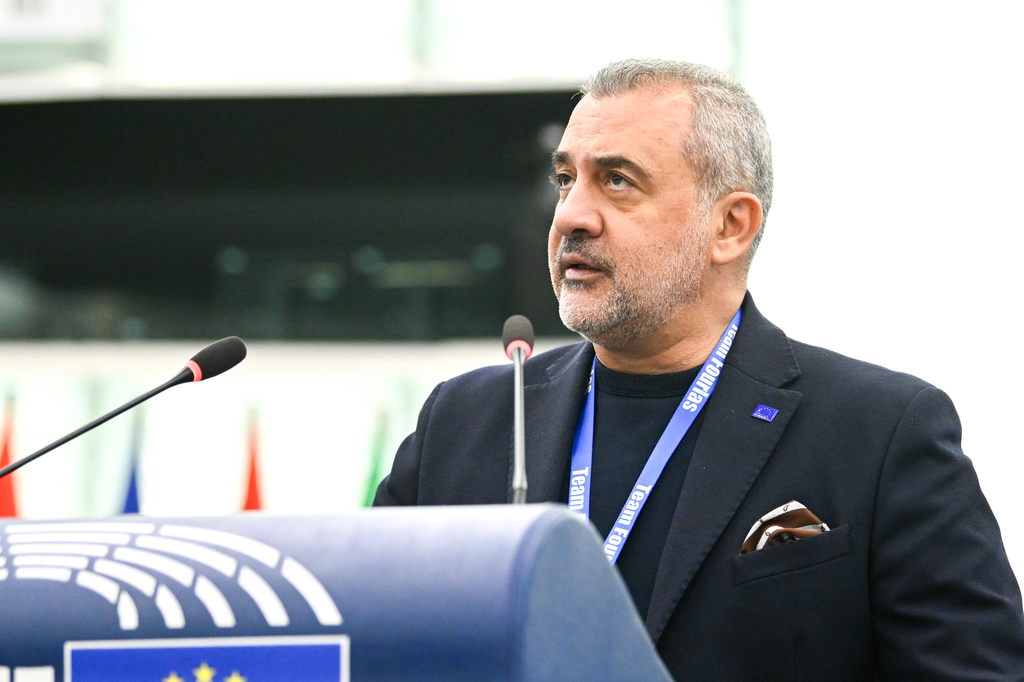
Fourlas has insisted that “tuition fees must be addressed as part of a comprehensive agreement”, warning against settling for political assurances without a binding outcome. He described the summit as progress following sustained political pressure and parliamentary work, while stressing that negotiations must deliver a substantive resolution rather than premature celebration.
The return of favourable tuition arrangements could make British universities a more realistic option for households that have reconsidered the UK since Brexit, potentially restoring a pathway that was once commonplace for students from the island. However, neither fee reductions nor a reinstatement of pre-Brexit home-fee status have yet been secured.
The UK remains outside the EU’s single market and the post-Brexit framework continues to govern academic and mobility relations. The next six months of negotiations will determine whether the summit’s political commitments translate into tangible financial relief.
If an agreement is reached, Britain could gradually regain its position as a mainstream destination for Cypriot students, not simply for those able to afford international fees, but for a wider generation of prospective graduates.
(Sources: European Council)
Read more:

