


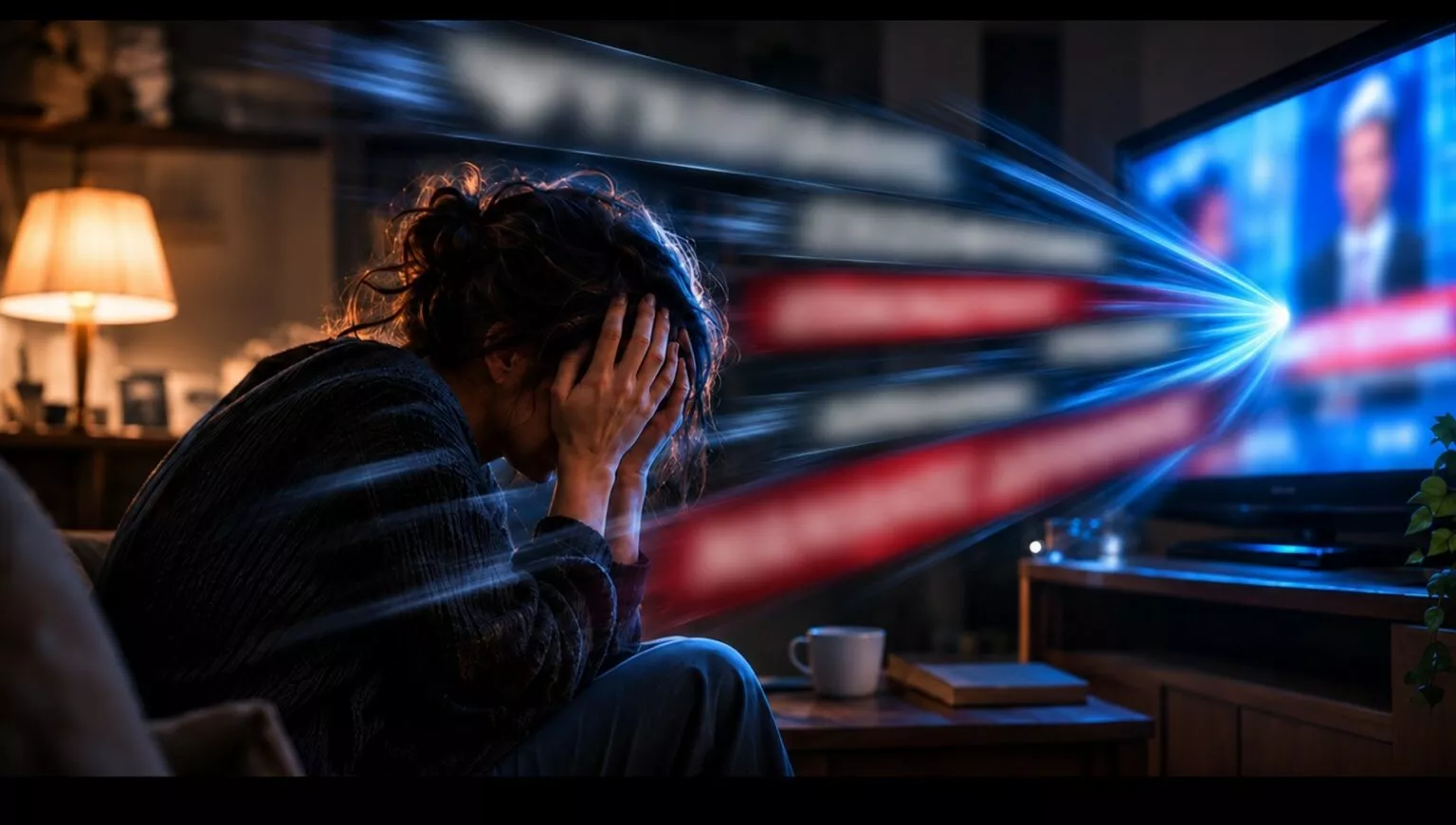
Journalists and digital media professionals in Cyprus have been urged to report on suicide and mental health responsibly, challenge stigma and encourage people to seek help, as experts highlighted the role of media coverage in suicide prevention.
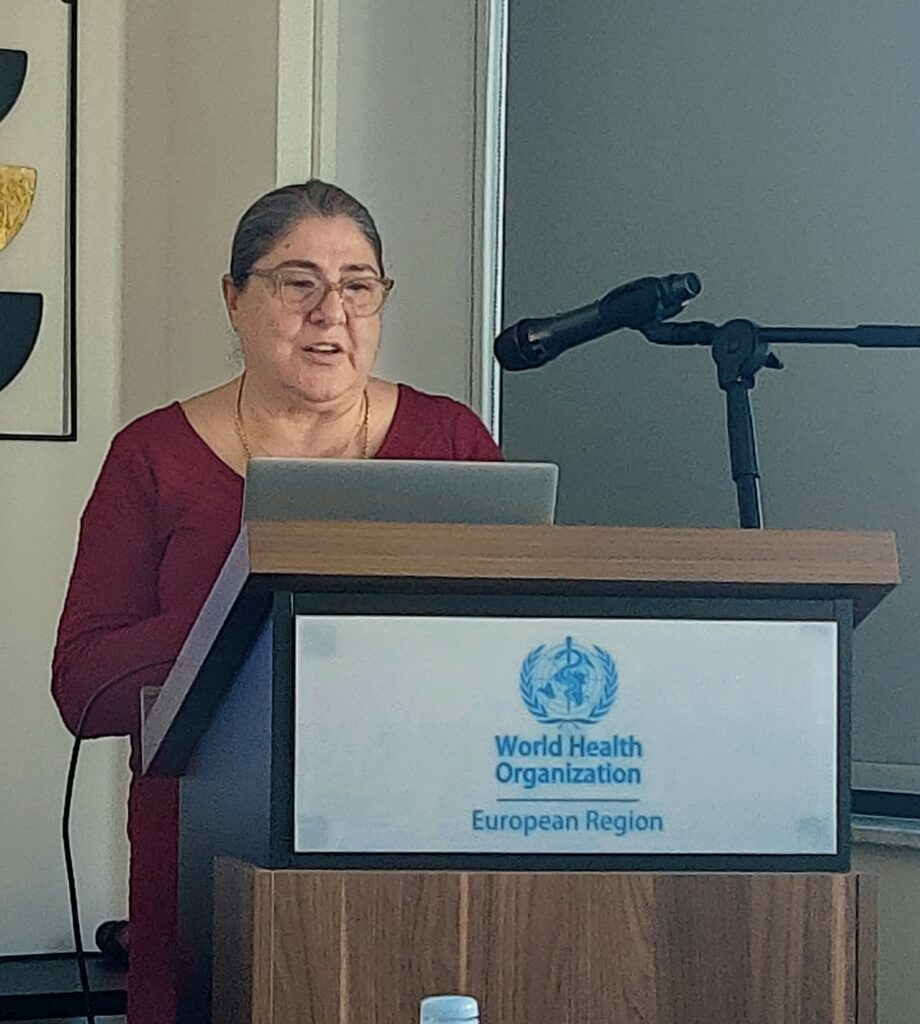
“The news story ends, but people continue to live with the words. A word may be grammatically correct, but the way it is used can cause harm,” Mental Health Ambassador Poly Grigora told journalists attending a seminar in Nicosia on 16 November 2026.
The seminar, focusing on suicide prevention and raising awareness among media and digital services professionals, took place at the World Health Organization (WHO) office in Cyprus.
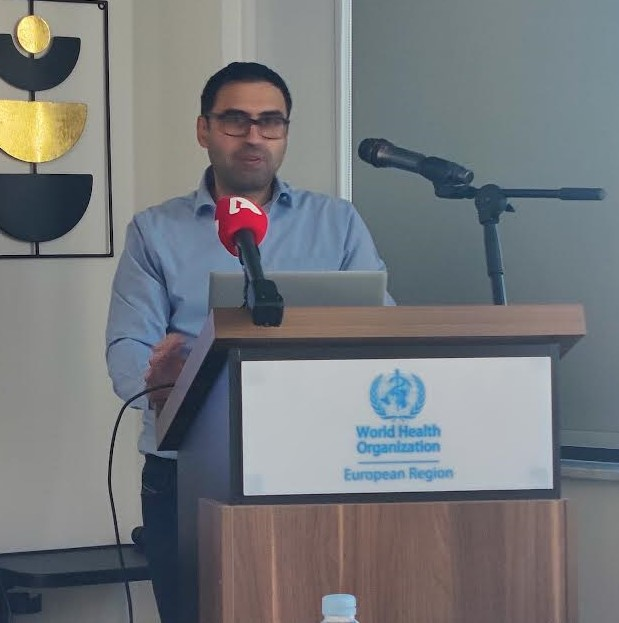
The WHO office organised the event in cooperation with the Ministry of Health and the Mental Health Ambassador, with institutional support from the Radio, Television and Digital Services Authority, as part of the implementation of the National Mental Health Strategy.
Dr Andreas Hadjittofis, assistant professor of psychiatry at the University of Cyprus Medical School, said suicide was associated with mental illness, particularly mood disorders and substance misuse. He said psychiatric illness was involved in 95% of suicide cases.
Dr Irshad Shaikh, WHO special representative and head of its Cyprus office, said more than 700,000 people die by suicide worldwide each year.
He said Cyprus records one of the lowest suicide mortality rates, at approximately four deaths per 100,000 inhabitants, although the actual figure could be higher because of underreporting.
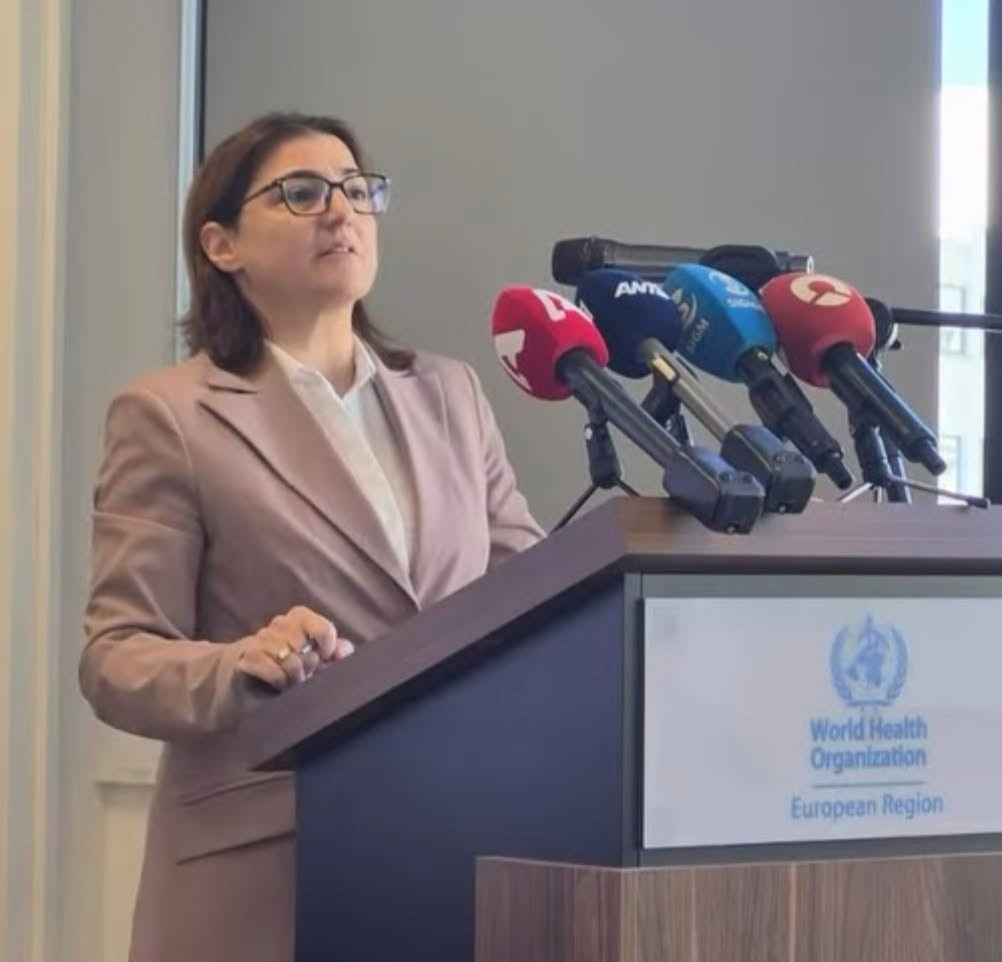
Eirini Loizidou Nicolaidou, director of the Radio, Television and Digital Services Authority, stressed that the objective was not to silence the media or conceal such incidents, but to report them with appropriate sensitivity and protect the people involved.
Health Minister Neophytos Charalambides also addressed the seminar, stressing that the way society speaks publicly about suicide forms part of prevention efforts.
For journalists, he said, that responsibility is reflected in the choice of a headline, an image or the information they decide to publish.
During the seminar, Dr Anna Paradisioti, a WHO mental health expert in Cyprus, presented the organisation’s updated 2023 guidelines, Preventing suicide: a resource for media professionals.
“Let us fight stigma together”
“I’m not here to tell you how to do your job, but to share something that may not be apparent on a screen or in print: how certain words are received by the person who hears or reads them,” Grigora said.
“I’m not asking you to stop asking difficult questions or to sugar-coat reality. I’m asking for something much simpler. The next time you write a headline, ask a question, choose an image or select a quotation, think for a moment about the person on the other side.
“You may never know how it affected them. A word may have made them feel ashamed, frightened or unable to speak out. But it may also have helped them feel that they are not alone. That they can ask for help.
“That is the responsibility that comes with the next word. And that is what I want to ask of you today: help me change this narrative.
“You know how to tell a story to the world. I can tell you how that story is experienced by someone on the other side of the screen.
“It may be someone who will need psychiatric care tomorrow, or a family that is already afraid. Ultimately, who are we helping?
“That is exactly what I mean when I speak about the responsibility of the next word. And that responsibility does not belong to journalists alone. It belongs to all of us.
“Together, we can report reality without losing sight of the human being. Together, we can change the way society treats people like me who live with mental health difficulties. Let us fight stigma together.”
The misuse of psychiatric diagnoses
Grigora also warned against using psychiatric diagnoses as labels to describe people’s behaviour or contradictory statements.
“Consider, for example, an interview with a politician. They have changed their position and their statements are contradictory. Of course you should ask why they said something different a few days earlier.
“The question remains just as powerful. But we do not need to describe someone as ‘bipolar’ or ‘schizophrenic’ to explain the contradiction.
“The same applies when covering a crime. Before mentioning a psychiatric diagnosis, let us ask ourselves: Has it been confirmed? Is it genuinely relevant to what happened? Is it necessary for the public to understand the story?
“Even a confirmed diagnosis does not, on its own, explain a person’s actions. And when we write that someone died by suicide ‘because of a break-up’, can we really know that this was the only reason? Human experiences are far more complex than a headline.”
Grigora also questioned the tendency to attribute every emotional response of someone living with mental health difficulties to their condition.
“I want you to consider something else. When someone lives with a mental health difficulty, does that mean every reaction they have is caused by it?
“They get angry? ‘It’s your illness again.’ They disagree? ‘You’re not well.’ They get upset? ‘It’s your mental health problems again.’
“But when do we ‘allow’ them simply to be human? To be angry because they have been treated unfairly. To disagree because they have a different opinion. To feel upset because something has hurt them.
“When all we see is the diagnosis, we risk seeing nothing else. And this does not happen only on television. It happens in our families, among our friends and in our workplaces. That is why responsibility for the words we use belongs to all of us.”
Cyprus and the next steps in suicide prevention
Dr Andreas Hadjittofis said more than 800,000 deaths by suicide are recorded worldwide annually, with a male-to-female ratio of four to one.
He said men account for more deaths by suicide, while suicide attempts are more frequent among women.
In Cyprus, 665 deaths by suicide were recorded over the 20-year period from 2004 to 2023, involving 527 men and 138 women. Between 30 and 40 deaths are recorded annually.
Hadjittofis highlighted the underreporting of suicide attempts in Cyprus and stressed the need for the state to develop a national suicide prevention strategy.
He called for continuous monitoring, reliable data collection, immediate and targeted prevention initiatives, and training for healthcare professionals and police officers in assessing and managing suicidal behaviour.
He also called for easier access to healthcare services and interventions supporting vulnerable populations, including people with mental health conditions, prisoners, refugees and migrants.
Providing information on how to seek help
Presenting the main recommendations of the WHO’s responsible reporting guidelines, Dr Anna Paradisioti said the media’s central responsibility was to provide accurate, measured and non-stigmatising information that encourages people to seek help.
“Extensive, repetitive or sensationalist coverage can be associated with imitative behaviour. The risk increases when coverage includes details of methods, locations or idealised narratives.
“Conversely, stories of hope, resilience and recovery can strengthen protective attitudes and contribute to prevention. Highlighting alternative ways of coping and seeking help can also help prevent suicide.
“The content, language, prominence and repetition of a news story matter.”
Paradisioti explained that particularly prominent or repetitive coverage, stories involving celebrities or people with whom audiences can easily identify, sensationalist headlines, romanticised accounts and simplistic explanations attributing suicide to a single event could increase the risk of imitation.
Young people, individuals with a history of suicidal behaviour and those experiencing bereavement may be particularly vulnerable.
She said journalists should provide accurate information about where and how people can seek help, inform the public using evidence-based information and avoid perpetuating myths and misconceptions.
They should also highlight ways of coping with difficulties and suicidal thoughts, emphasise the importance of seeking help early and encourage support from others.
Where possible, journalists should work with suicide prevention specialists and people with lived experience, while recognising that media professionals themselves may also be affected by the stories they cover.
Addressing journalists, Paradisioti outlined the following recommendations:
- Do not describe suicide methods or identify or publicise specific locations.
- Do not reproduce suicide notes or final messages.
- Avoid sensationalist, dramatic or idealising language.
- Do not present suicide as normal or as a solution to problems.
- Do not attribute suicide to a single event or factor.
- Do not use photographs, videos or audio recordings of the scene or the act.
- Avoid giving suicide stories excessive prominence or repeatedly covering them without justification.
- Focus on the person’s life and contribution, and the impact of their loss on others.
- Respect the privacy, vulnerability and need for time of bereaved relatives and friends.
- Avoid interviews during an acute crisis or without meaningful consent.
- Avoid interviewing children who have lost a parent to suicide.
- Protect personal information and, where possible, allow interviewees to review their personal accounts before publication.
Responsible reporting and managing online content
The WHO guidelines also address the publication and management of content on digital and social media platforms.
They advise against posting links, images or other material that leads audiences to details about suicide methods or locations.
Media professionals should avoid live blogs and excessive updates on high-profile cases, assess whether comment sections should remain open and ensure appropriate moderation where comments are enabled.
Digital platforms should also serve as channels for reliable information, support and referrals to relevant services.
The guidelines address common misconceptions, including the belief that discussing suicide encourages suicidal behaviour.
Paradisioti explained that open, careful discussion can instead help people recognise alternative options and give them time to seek support.
Public discourse and the National Mental Health Strategy
“Suicide prevention is linked to the quality of care, but also to the way society understands and responds to mental health difficulties,” Health Minister Neophytos Charalambides said.
“That is why the way we speak publicly about suicide is part of prevention.
“The World Health Organization’s guidelines establish fundamental principles for journalistic coverage: avoiding sensationalism and harmful details, choosing images carefully and providing reliable information on how to seek help.
“Responsible reporting requires the support of the entire media organisation, from journalists and editors to management. Similarly, as representatives of institutions, we must carefully consider our own public discourse.”
Charalambides recalled that the Council of Ministers approved the National Mental Health Strategy 2025–2028, its accompanying action plan and the establishment of the National Mental Health Committee on 12 March 2025.
The action plan is structured around six pillars.
Under its second pillar, which focuses on strengthening mental health services and facilities, primary healthcare doctors have already received training in managing cases involving suicidal behaviour and addiction.
The initiative strengthens their knowledge and skills in identifying people at increased risk, providing appropriate initial care and making timely referrals to specialist services.
Greater sensitivity in mental health reporting
Eirini Loizidou Nicolaidou, director of the Radio, Television and Digital Services Authority, called on media professionals, including social media influencers, to handle mental health issues with appropriate sensitivity, recognising the responsibility that comes with their influence.
She reaffirmed the authority’s willingness to cooperate and provide assistance to ensure that mental health issues are handled effectively.
She stressed that the authority takes particularly seriously the protection of the public, especially children and vulnerable groups, from uncontrolled exposure to illegal or harmful content, services or goods.
“Raising awareness among journalists and media organisations about how to address, manage and report on suicide and mental health issues more broadly is extremely important.
“It has been established that vulnerable people may be affected by media coverage of suicide and may exhibit imitative behaviour.”
Loizidou Nicolaidou also expressed concern about harmful online challenges and algorithm-driven content that can expose vulnerable young people to material related to depression, self-harm or suicide.
She said developing critical thinking and media literacy was a Europe-wide objective, enabling citizens and particularly media professionals to select, assess, evaluate and responsibly use the information they create, distribute or republish.
Emergency support available 24 hours a day
112: Free emergency number through which an ambulance can be requested.
22 887171: Direct contact with the Ambulance Service Call Coordination Centre.
Anyone experiencing a mental health emergency involving immediate danger can call 112 or visit their nearest Accident and Emergency Department (A&E).
State Health Services Organisation (SHSO) Accident and Emergency Departments operate 24 hours a day, including weekends and public holidays.
Contact details are available at www.shso.org.cy.

