


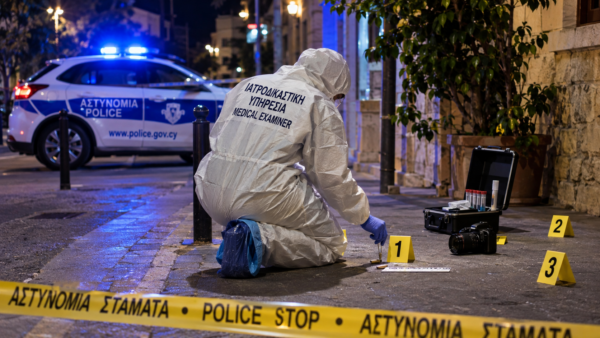
The sudden death of a 17-year-old schoolgirl in Kakopetria has brought controversial practices within Cyprus’s Forensic Pathology Service back into the spotlight, prompting questions over its procedures, responsibilities and legal framework.
Police called the forensic pathologist on duty that evening to attend the scene. However, according to information that emerged over the following days, he asked for photographs of the girl’s body to be sent to him via Viber and concluded from those images that his presence was unnecessary.
The head of the service, who was approached after the first pathologist declined to attend, reportedly took the same approach.
The absence of a forensic pathologist from the scene sparked widespread criticism, although this is not the first time a similar incident has occurred.
In defending their decision, forensic pathology officials cited a protocol that they maintain allows them, under certain circumstances, to decline to attend a scene despite a request from police.
However, the protocol itself has come under scrutiny. Initially, little was known about it, before questions emerged about who had drafted it and what exactly it contained. It subsequently emerged, without any denial, that the protocol had been drawn up by the head of the Forensic Pathology Service herself, Angeliki Papetta.
Regardless of the protocol’s institutional standing and the procedures it sets out, one fundamental question remains: if the sudden death of a 17-year-old schoolgirl during a school trip, coupled with a police request for assistance, is not sufficient grounds for a forensic pathologist to attend the scene, what is?
The issue featured prominently in television discussions throughout the week, culminating in an intervention by Papetta on Omega television.
She claimed that the decision not to send a forensic pathologist to the scene had been taken jointly with police, an assertion immediately disputed by the head of the Morphou Criminal Investigation Department (CID).
The Ministry of Health, which oversees the Forensic Pathology Service, said the pathologist on duty should have attended the scene once police requested his presence.
The Sunday edition of Phileleftheros continues the discussion sparked by the tragedy, examining the views of police representatives and conflicting statements from the Health Ministry.
Lawyer Simos Angelides addresses the legal aspects of the case, while the deputy chairman of the parliamentary Health Committee, Charalambos Pazaros, outlines plans to bring the issue before the committee.
What Police Standing Order 3/25 says
Nicos Loizides, chairman of the police branch of the Equality trade union, says a clear police standing order governs the procedure and has also been submitted by the Republic of Cyprus to the Council of Europe.
Speaking to Phileleftheros, Loizides said Police Standing Order 3/25 sets out instructions for police officers responsible for investigating such cases.
According to his interpretation, once police determine that a forensic pathologist’s presence at a scene is necessary, the pathologist on duty is obliged to comply with the request.
The standing order was issued in 2021 following a European Court of Human Rights (ECtHR) ruling against the Republic of Cyprus in the case of Thanasis Nicolaou.
Loizides said Cyprus had also submitted the standing order to the Council of Europe as the appropriate procedure followed by the state in cases of sudden or unnatural death.
It explicitly states: “If the investigator considers it appropriate to call a forensic pathologist to examine the scene…”, he said, stressing that there was no room for misinterpretation or alternative explanations.
Calls for police to employ their own forensic pathologists
Loizides also stressed that responsibility for investigating deaths rests with police.
“The time has come for us to employ forensic pathologists within the police, as all modern police forces do, to carry out scene examinations and post-mortems. We cannot be without forensic pathologists at our disposal 24 hours a day, 365 days a year,” he said.
Conflicting messages from the Health Ministry
The Health Ministry’s position, as expressed by its spokesperson Dimitris Constantinou in several media appearances, is that forensic pathologists should have attended the scene in Kakopetria, regardless of existing procedures or protocols.
However, before the spokesperson made those comments, the ministry’s permanent secretary had indicated that the matter had been handled correctly.
At the beginning of the week, the health minister requested a detailed account of the actions taken from the moment officials were notified of the schoolgirl’s death.
According to the ministry’s spokesperson, the resulting report found that the Forensic Pathology Service had handled the case in accordance with existing procedures and arrangements agreed with police.
At the same time, Constantinou stressed that the Forensic Pathology Service needed to stop attracting public attention for the wrong reasons.
“We cannot keep having problems with the Forensic Pathology Service every so often. This must stop immediately,” he said.
At the time of writing, it remained unclear whether the health minister would order a disciplinary investigation into the incident.
The ministry’s permanent secretary, Elisavet Constantinou, had previously told the state broadcaster that the circumstances and available information were sufficient to justify the absence of forensic pathologists from the scene.
Private forensic pathologist Marios Matsakis also drew attention with his strong criticism of government forensic pathologists over their decision not to attend.
He said responsibility for investigating a death clearly rested with police, with the Forensic Pathology Service providing assistance.
“The Forensic Pathology Service is called upon by police to assist them. If police decide they need its help, the service is obliged to provide it, whether they like it or not. At any time, on any day and in any location. They do not get to choose when they should attend a scene. Police decide whether they need to go or not,” he said.
Matsakis also referred to a “pseudo-protocol” which, if it existed, should be “torn up and thrown in the bin”.
Simos Angelides: The status of forensic pathologists and Police Standing Order 3/25
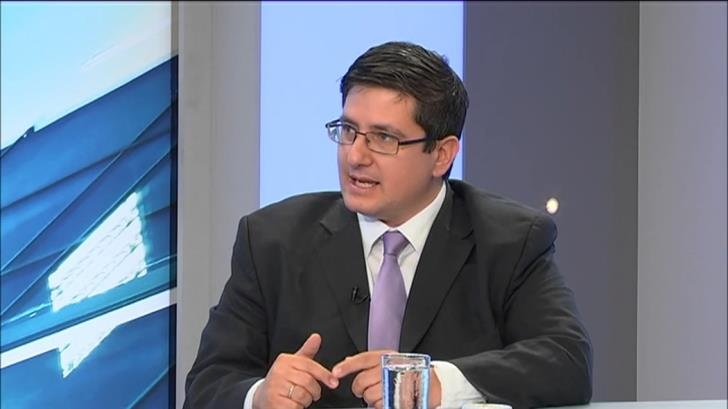
“The framework governing cooperation between police and the Forensic Pathology Service has come under scrutiny. The failure of a forensic pathologist to attend the scene despite a police request has understandably prompted criticism.
“Section 4 of the Coroners Law, Cap. 153, provides for an inquest where there is reasonable cause to suspect a violent or unnatural death, or a sudden death of unknown cause. Sections 12 and 13 empower a coroner to require a medical examination of the body and oblige the doctor receiving such an order to conduct the examination and prepare a report.
“The Forensic Pathology Service falls under the Ministry of Health and operates in a supporting role. There is no provision requiring a forensic pathologist to attend every case. The key provision is found in Police Standing Order 3/25, entitled ‘Inquests – Investigation of Sudden/Unnatural Deaths’ (2021, 2024 and 2025 editions), which was issued following the ECtHR ruling against Cyprus in the Thanasis Nicolaou case.
“The standing order provides for attending the scene, examining the body and securing the area. Paragraph 5 stipulates that police officers dealing with a sudden or unnatural death should call a forensic pathologist to examine the body ‘if deemed appropriate’. Responsibility for investigating the cause of death explicitly rests with police, rather than the forensic pathologist, whose role is to provide scientific support. The decision on whether a forensic pathologist is needed rests exclusively with the investigator or officer in charge.
“In this particular case, police deemed the pathologist’s presence necessary, but no on-site examination took place because the forensic pathologist on duty considered the photographic material sufficient. The Health Ministry said no breach of existing procedures had been identified, while nevertheless stressing the need for greater sensitivity.
“The absence of an explicit provision in the standing order allowing an on-site examination to be replaced by photographs raises a serious question of interpretation. It does not automatically establish disciplinary or other liability, but it requires a clear answer as to whether a forensic pathologist can disregard or decline a police request, particularly given that pathologists receive an allowance for being on duty.
“The standing order establishes the leading role of police but does not regulate the consequences of a refusal. Clearer legislative or regulatory provisions governing these obligations are needed to ensure thorough investigations without disputes, particularly when public confidence is at stake.
“The Ministries of Justice and Health must work together to clarify when a forensic pathologist’s presence is mandatory, who makes that decision and how any failure to attend must be justified. The protection of life and the effective investigation of deaths cannot allow for institutional gaps. On the contrary, they constitute an explicit obligation of the state, as established by the ECtHR in the case of Rantsev v Cyprus.”
Charalambos Pazaros: The credibility of the Forensic Pathology Service is a matter of justice and human dignity
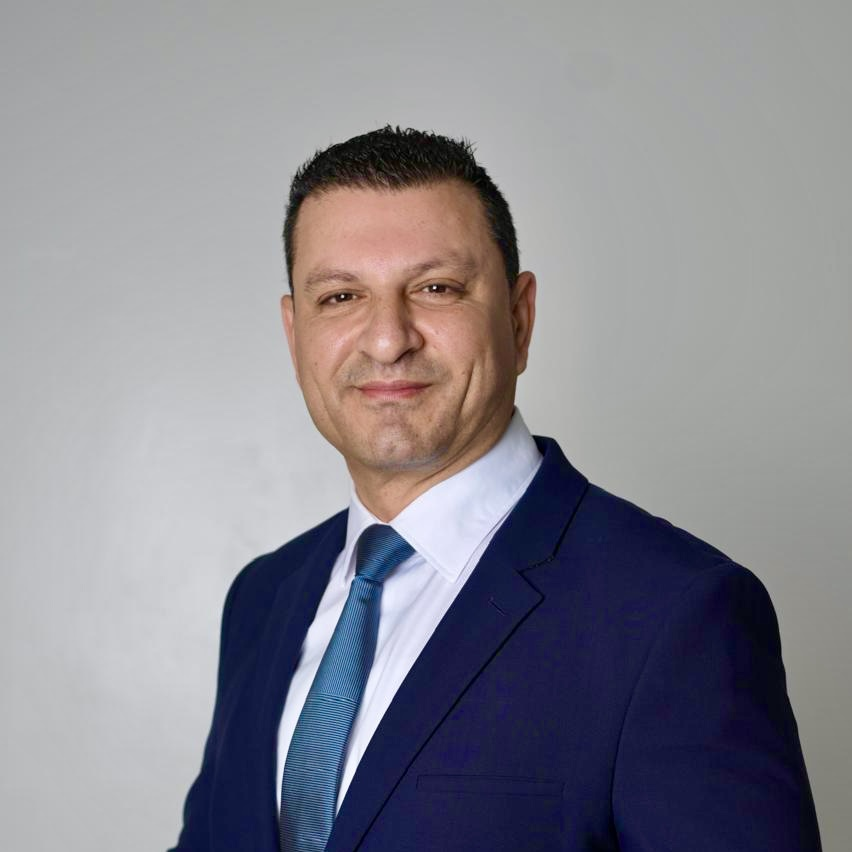
“What has emerged about the handling of the case by the Forensic Pathology Service following the tragic death of the 17-year-old in Kakopetria has brought back into focus an issue that can no longer be treated as an isolated incident.
“Beyond the particular circumstances of this case, longstanding weaknesses and questions have emerged concerning the operation of the Forensic Pathology Service, the procedures it follows, the adequacy of its staffing and the institutional and legislative framework governing it.
“Forensic pathology is not simply a service concerned with determining the cause of death. It is a fundamental pillar of the administration of justice. The scientific competence, objectivity and reliability of its findings can play a decisive role in investigating cases, establishing the truth and protecting citizens’ rights.
“Above all, behind every case there is a human being and a family entitled to answers, transparency and respect. Human dignity does not end with death. The state must ensure that every case is investigated with the appropriate scientific rigour and sensitivity.
“As an MP and deputy chairman of the Health Committee, we intend to place the issue on our committee’s agenda immediately, inviting representatives of the Forensic Pathology Service, the Ministry of Health, police, the Ministry of Justice and every department involved. The aim is to obtain specific answers, identify weaknesses and, above all, find practical solutions.
“There is an urgent need to modernise the relevant legislation. Clarifying responsibilities and procedures, strengthening the service’s independence and scientific competence, and establishing effective oversight and accountability mechanisms must also be the subject of substantive discussion.
“The fact that the Forensic Pathology Service operates as an independent service does not remove the need for institutional oversight, cooperation and accountability.
“We cannot wait for the next tragedy before looking for solutions. The credibility of the Forensic Pathology Service is not a matter that concerns the service alone. It concerns justice, citizens’ rights and respect for human dignity. And on these matters, there can be no compromise.”

