


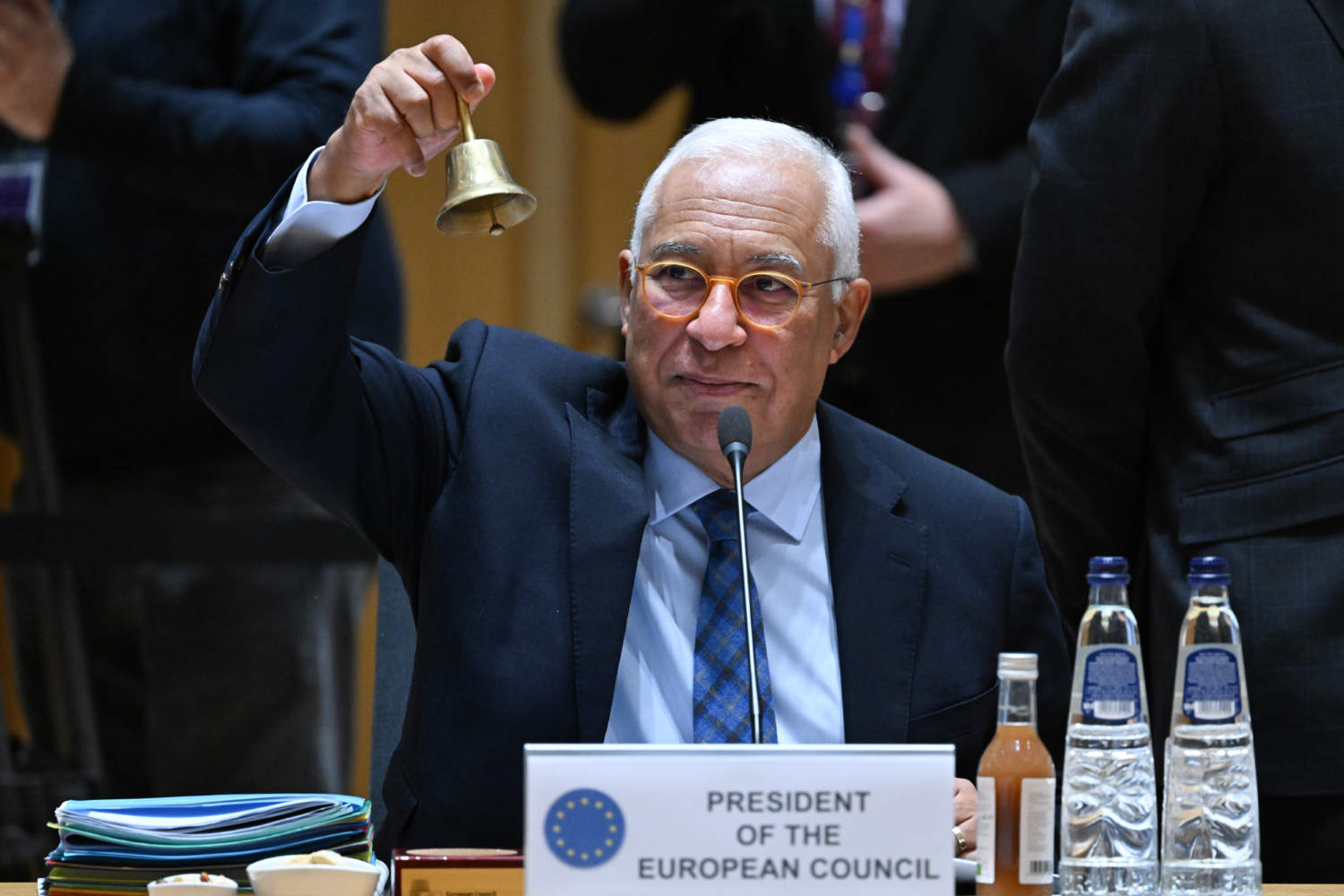
European Union leaders brought their special summit to an unexpectedly acrimonious end in Brussels on Thursday, 26 November, after negotiations over the bloc’s next seven-year budget descended into confrontation, walkouts and political recriminations.
The two-day meeting, scheduled for 26–27 November, was intended to bring Europe’s 27 leaders closer to an agreement on the EU’s financial priorities for 2028–2034. Instead, it exposed just how far apart national governments remain.
The negotiations broke down sufficiently early to undermine the purpose of the gathering, although the summit’s wider agenda also included Ukraine’s financing and the future leadership of the European Central Bank.
The central question was no longer simply how much Europe should spend, but who should pay, who should receive the money and what kind of European Union the next budget should support.
A battle over money – and Europe’s competing visions
Costa’s proposed budget stands at approximately €1.78 trillion over seven years, around €204 billion less than the European Commission’s original proposal.
Seven countries, known as the ‘Frugal’ group, want a smaller EU budget and tighter spending. Seventeen countries, including Cyprus, in the ‘Friends of Cohesion’ camp are resisting further reductions, particularly to funding for poorer regions, agriculture and infrastructure.
Cohesion funding helps less wealthy member states finance roads, public infrastructure, regional development and investment. Any significant reduction could affect the resources available to countries that rely on European support to narrow economic disparities.
France’s Emmanuel Macron called the proposed reductions a strategic mistake, while Germany’s Friedrich Merz argued that the budget needed to shrink further; Italy’s Giorgia Meloni was equally unwilling to compromise, according to the Euronews coverage.
The EU’s long-term budget requires unanimity with every member state carrying a veto.
The other confrontation: Europe grits its teeth at Washington
But there was another, potentially more consequential story unfolding alongside the budget drama: Europe’s growing willingness to challenge the United States under Donald Trump.
As reported by Politico, European leaders are becoming increasingly prepared to confront Washington over digital taxation, defence procurement and continued financial support for Ukraine.
Costa’s budget proposal envisages a 3% levy on certain digital revenues of major companies. The US State Department has already expressed opposition, while Ireland, home to several major American technology companies, has also voiced strong objections.
However, Politico’s reporting argues how the issue goes beyond taxation. It touches on who controls Europe’s digital economy and whether European governments can make decisions affecting American corporations without fearing retaliation from Washington.
Defence is another emerging battleground as there is growing support among some European leaders for giving European manufacturers greater priority in defence procurement, rather than allowing European security spending to flow disproportionately towards US suppliers.
Europe remains dependent on the United States for much of its military security, particularly through NATO.
Yet the relationship is increasingly uncomfortable with Trump’s approach to trade, technology and European security pushing EU leaders to consider whether the continent must become more economically and militarily self-reliant.
Ukraine gets caught in the crossfire
Ukraine was another major item on the agenda, but the budget confrontation overshadowed its financing needs.
The European Commission has proposed an additional €45 billion in support for Ukraine in 2027, addressing part of an estimated €70 billion funding gap. The proposal includes military assistance and general budget support.
Costa said 24 member states supported the proposal, with Bulgaria participating only in its non-military component.
December: another meeting, another test
The leaders will try again at a two-day European Council summit beginning 17 December 2026. The ambition remains to reach an agreement before the end of the year.
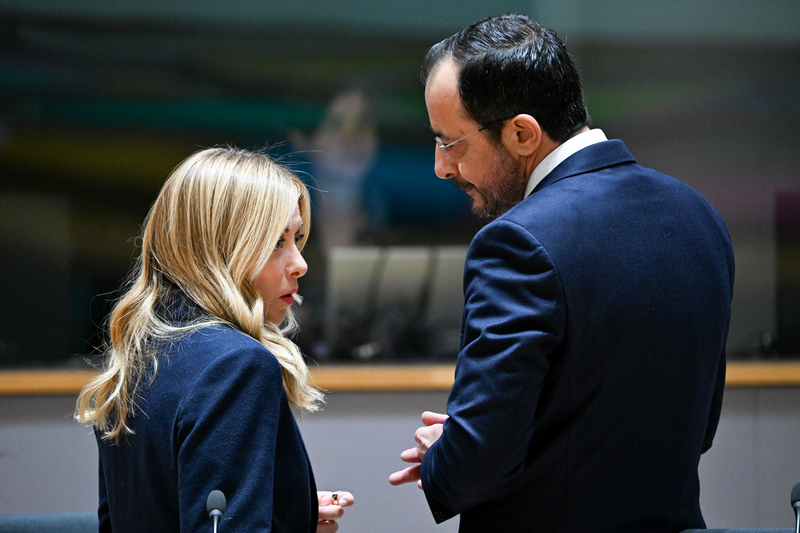
For Cyprus, the outcome matters well beyond the diplomatic theatrics in Brussels. It concerns future European funding, the balance between richer and poorer member states, the financing of Ukraine and the EU’s ability to defend its interests in an increasingly difficult relationship with Washington.
(Sources: European Council, European Commission, Politico, Euronews)
Read more:

