


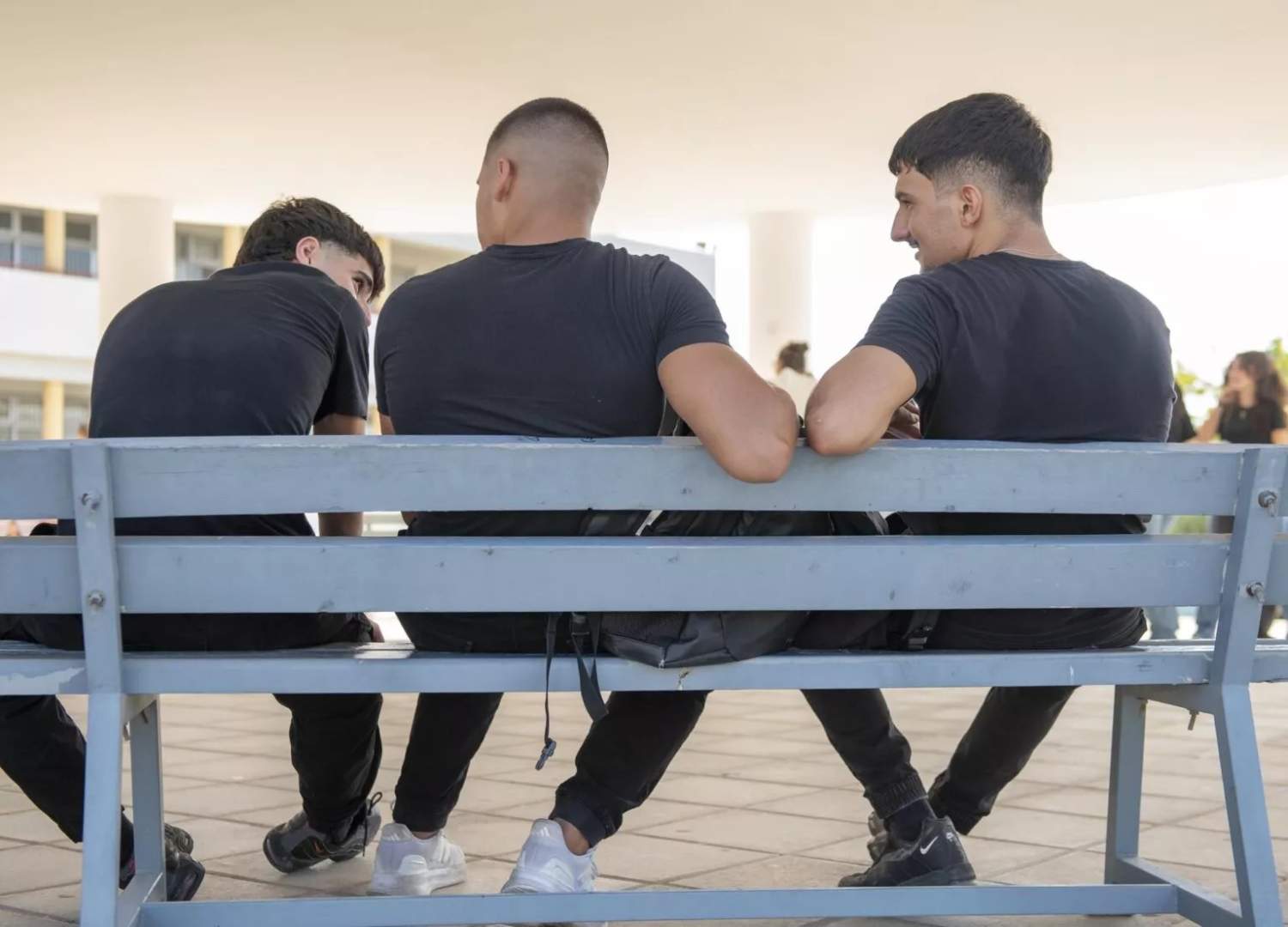
Alongside our other foibles (to put it politely), we have a habit, as a people and as a state, of raising issues and leaving them hanging.
The issue of pupils’ trips that neither the ministry nor the schools oversee has come up countless times. It came up whenever there was a problem: whenever a few pupils (always a few, never all of them) caused trouble, for instance. Two groups from different schools in different towns might run into each other in Kakopetria and end up cracking heads. Or others might cause damage and a commotion. It would be the talk of the town for a few days, the idea of banning such trips would invariably be floated, and then it would slip into oblivion as though it had never happened.
This time, of course, there’s been a real tragedy: the death of a 17-year-old girl. The debate is far more heated, and everyone is determined to find some kind of solution. Most are leaning towards a ban on these trips. That won’t happen. It can’t happen: this is a private activity, and the state can have no say in it. The kids aren’t going on a school trip; they’re going as groups of friends.
Even if the government announces that the trips are banned, it can’t enforce the ban. What exactly would it do? Arrest the pupils who disobeyed? They won’t obey it, after all. Or not all of them will. Only parents can decide on bans of this kind, and even they often get nowhere. It isn’t easy (nor, it seems to me, fair) to impose such bans, whether by the state or by parents, on 17-year-olds who want one last hurrah with their school friends. Especially when, a few months later, the same kids will be gone, the boys to national service and the girls to their studies, far from schools and parents.
There’s something, though, that can be done, and I see no one discussing it. Look at how these trips are organised, rather than trying to police them once they’re under way. Who is the organiser? How much are they collecting from the kids, and what does the trip actually cost? Are the kids safe in transit, where they stay, even in what they eat? Is anyone checking whether others with ill intent might slip in among them? Drug dealers, for instance.
For years now, we’ve been hearing that schools have their “wide boys”, who even pocket commissions for organising these trips. So the trips are run not for the kids’ benefit but for the organiser on the take. That alone can be very dangerous. It doesn’t guarantee the best organisation, the best (and properly checked) food, or the best trip in general. All it guarantees is the best commission for a select few.
This, then, is something the schools or the parents’ associations could oversee. In other words, they could have a say in how the trips are organised, what they cost and the deals struck with hoteliers, restaurants or even coach operators. But nobody is troubled by this “detail”, and everyone is stuck on whether the trips should be banned. That’s why the issue will soon be dropped and forgotten until next year, when it’s the next lot’s turn for their “tradition”.
PS: When I say we raise issues and leave them hanging, I don’t just mean this one. I mean many that ought to be settled in no time because they aren’t all that difficult; not everything is the Cyprus problem. Take the latest fatal crash on Larnakos Avenue in Aglantzia. How many times have the dangers of that road, and the street racing that goes on there, been discussed? Has anyone ever explained why there are three red-light cameras on Grivas Digenis Avenue, within two to three kilometres of each other, and not a single one on Larnakos Avenue?

