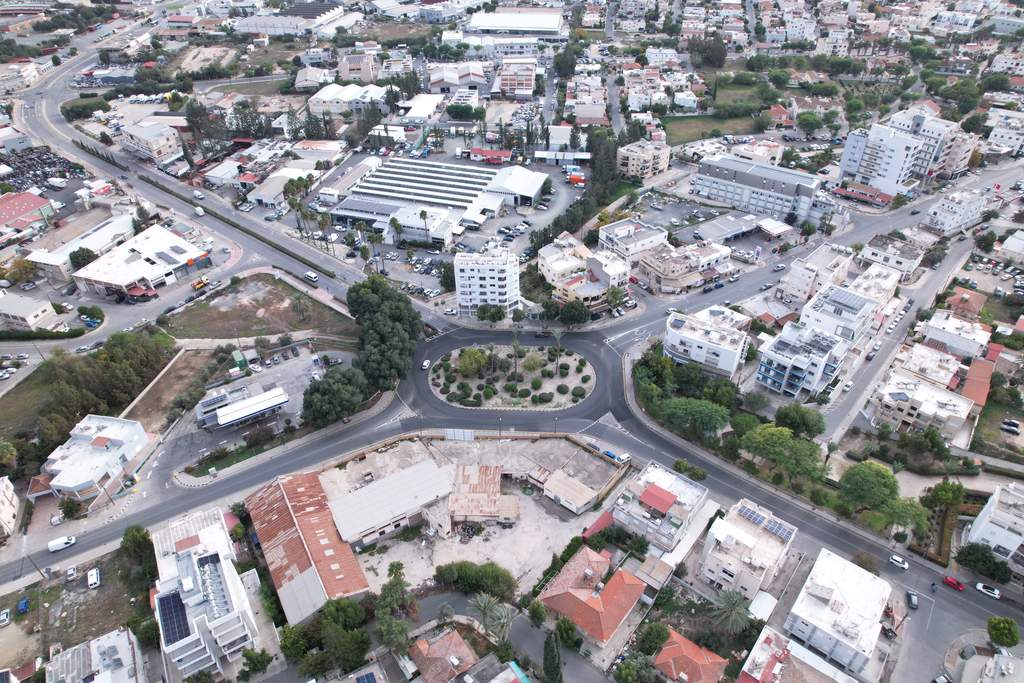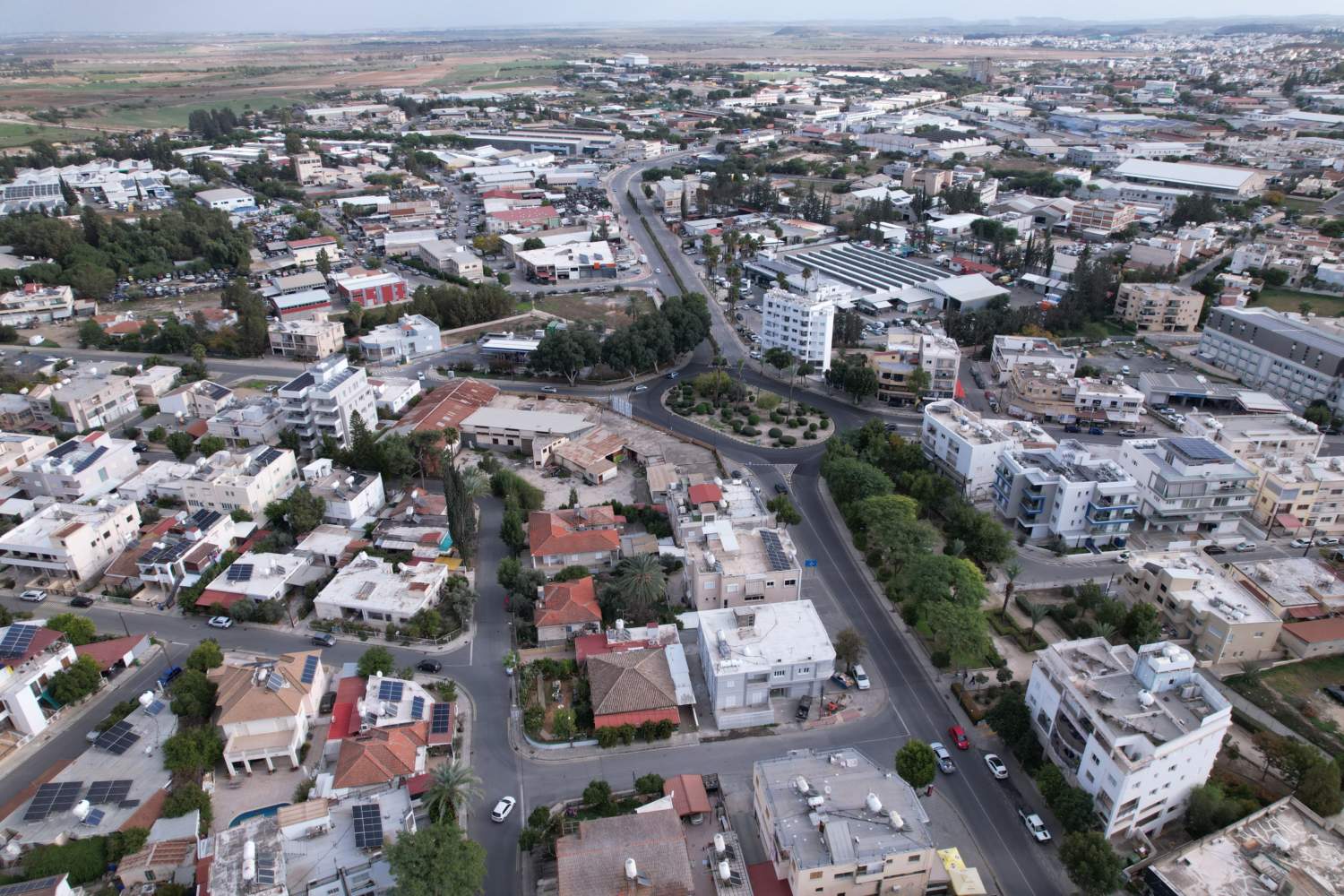
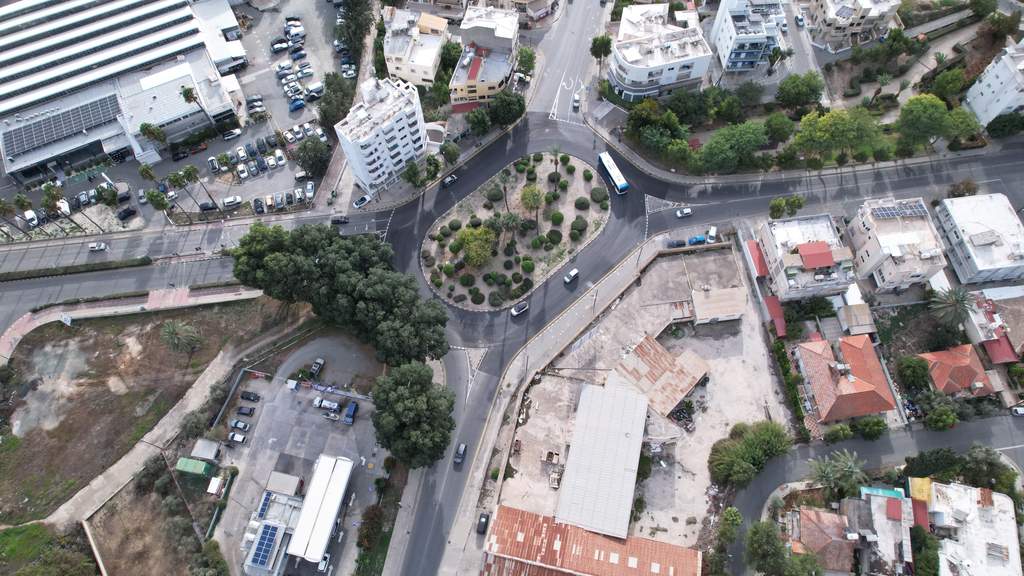
Residents near the Bata roundabout and the industrial area in Kaimakli continue to experience strong sewage odours, particularly at night, despite years of efforts and millions of euros spent on wastewater infrastructure.
Authorities say they have identified the source of the problem, but resolving it depends on cooperation with the occupied Nicosia “authorities”.
The Nicosia District Local Government Organisation (DLGO/EOA) has acknowledged that the wider area once experienced such severe and persistent odours that it risked becoming effectively uninhabitable.
Although conditions have improved considerably since the opening of a €27 million wastewater treatment plant in occupied Mia Milia in 2013, intermittent odours continue to affect residents around the Bata roundabout.
In written responses to Philenews on November 12, 2026, the EOA attributed the problem primarily to wastewater management in the occupied part of Nicosia.
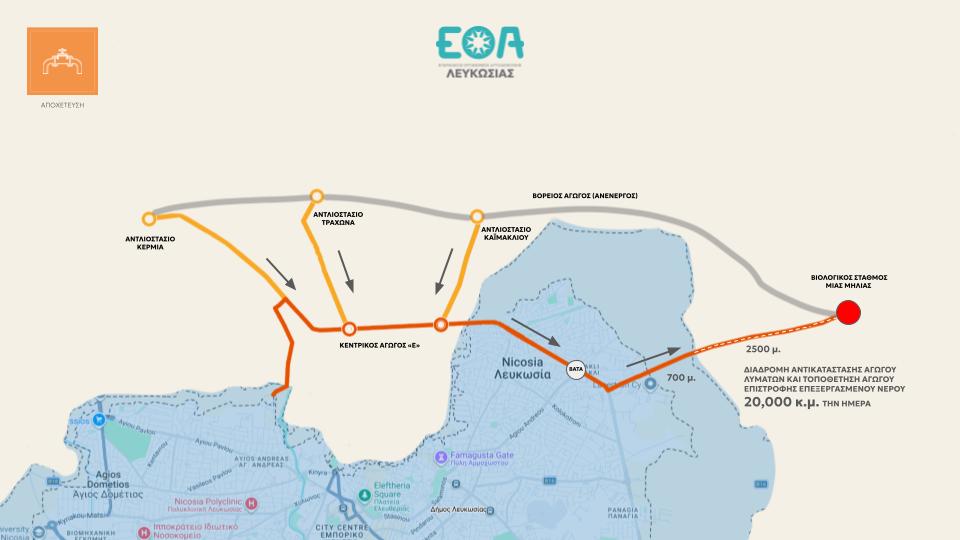
Sewage pumped from three stations in Kermia, Trachonas and occupied Kaimakli accumulates in a major pipeline known as Trunk E, generating unpleasant smells.
The pipeline passes through the occupied areas before crossing into government-controlled Nicosia, continuing along Agiou Ilarionos Avenue towards Markou Botsari Street, near the city’s industrial area.
Residents say the smell can become particularly strong during the night.
A solution that stopped working
The problem has persisted despite significant investment in sewage infrastructure.
The new Mia Milia wastewater treatment plant, which began operating in early 2013 at a cost of €27 million, substantially reduced the severe odours previously associated with the old treatment lagoons. Their subsequent cleaning and drying further improved conditions.
Built on the site of the original treatment plant dating back to the early 1970s, the new facility was constructed following a tender issued under the auspices of the United Nations Development Programme (UNDP).
It can process up to 30,000 cubic metres of wastewater daily and uses membrane technology for tertiary treatment. It serves Nicosia, Agios Dometios, Engomi, parts of Strovolos and Aglantzia, and part of occupied Nicosia.
The EOA also reported approximately €8 million in expenditure by the organisation and the Cyprus government on operating and maintaining the facility, without specifying the period covered.
However, intermittent odours around Bata remained.
In 2015–2016, the former Nicosia Sewerage Board sought European Union assistance to divert wastewater from three pumping stations through a new northern pipeline, approximately 13 kilometres long and located entirely within the occupied areas.
The aim was to reduce the volume of sewage passing through the affected neighbourhood.
However, shortly after the new system began operating, a fire destroyed the pumping station in occupied Kaimakli, rendering the northern pipeline inoperative, the EOA said.
Wastewater consequently returned to its previous route, and the odour problem persisted.
Chemical treatment and residents’ concerns
Over the past year, the EOA also considered introducing chemical substances into the sewage network to suppress the smells.
Preparations included efforts to secure a site for a chemical dosing station, but the proposal was abandoned following concerns raised by residents.
The organisation maintains that chemical treatment is an established international practice and that using such substances within sewage networks does not pose a safety problem.
The EOA is now pursuing two interventions: restoring the northern pipeline and installing chemical dosing stations at the three pumping facilities in the occupied areas.
Both measures require cooperation with the Turkish Cypriot side, while the organisation is also seeking European Union involvement.
The EOA stated that resolving longstanding infrastructure problems originating in the occupied areas presents particular challenges because the necessary interventions are not entirely within its control.
Will the smell disappear by 2027?
The organisation expects at least three chemical dosing stations to be installed by mid-2027, provided the Turkish Cypriot side cooperates.
For residents around the Bata roundabout, the wait therefore continues.
More than a decade after the opening of the Mia Milia treatment plant, a problem that once threatened to make the wider area uninhabitable has been substantially reduced but not entirely resolved.
A lasting solution now depends as much on cooperation across Nicosia’s dividing line as on the sewage infrastructure itself.