


Brussels urges Israel to reopen Gaza crossings as mounting public pressure and divisions among EU governments put the bloc’s relationship with Israel under renewed scrutiny.
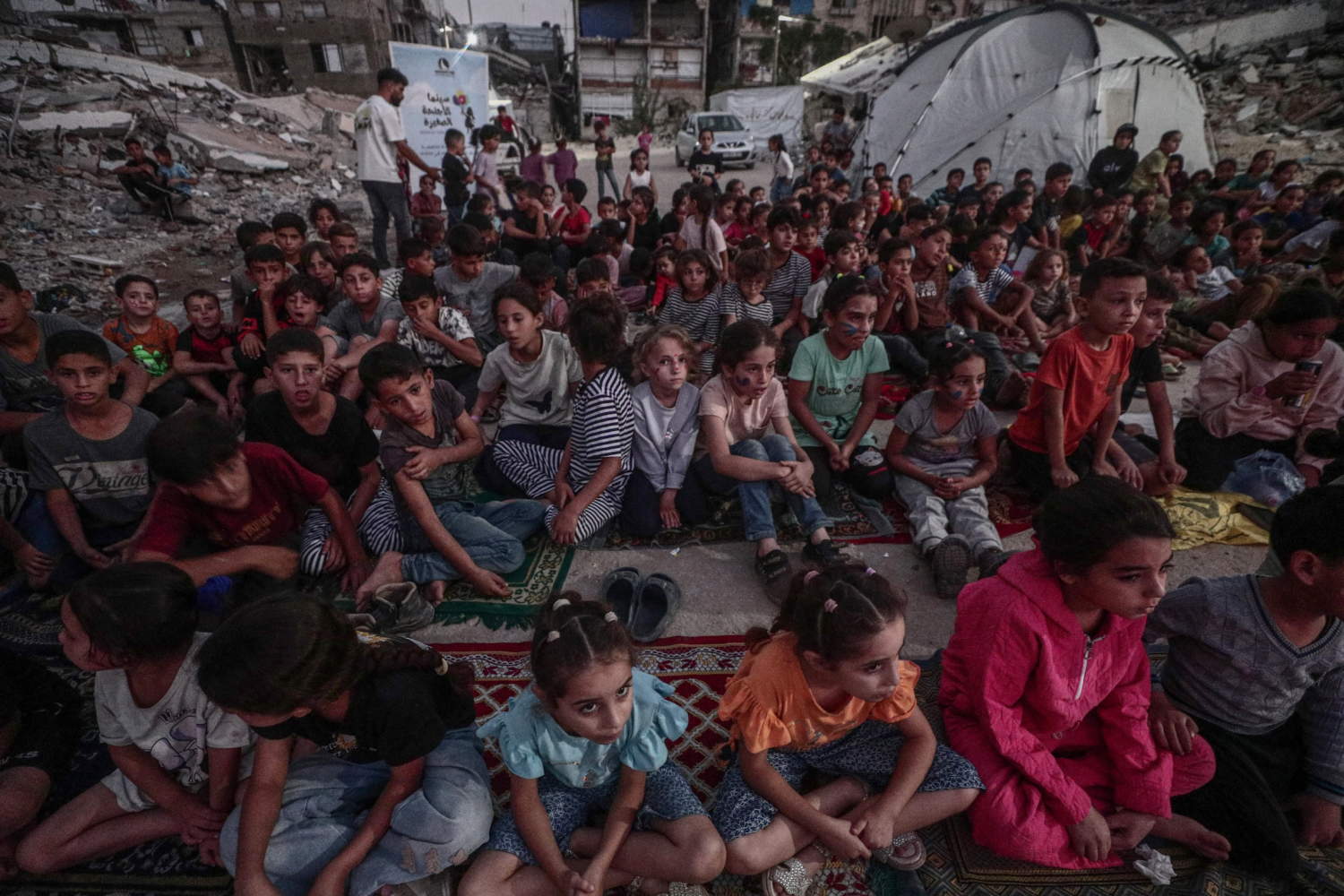
The European Union has warned that Gaza’s humanitarian crisis is deteriorating further as heavy rainfall, flooding and winter conditions compound the suffering of a population already facing displacement, shortages and continuing military strikes.
In a statement issued on 14 November, the EU’s High Representative called on Israel to reopen all Gaza border crossings and allow the immediate and sustained delivery of humanitarian assistance, medical supplies and early recovery support.
The bloc also expressed alarm over yet another airstrike on a hospital, this time on Nasser Hospital, stressing that international humanitarian law must be respected and civilians, medical personnel and infrastructure protected.
The EU said that, a year after the ceasefire was announced, military strikes were continuing while restrictions on humanitarian access were preventing people from obtaining adequate shelter, medicine and medical equipment.
Political pressure mounts in Brussels
The humanitarian appeal comes amid renewed pressure on EU governments to translate their criticism of Israel into concrete political and economic measures.
More than 1.1 million EU citizens have signed a European Citizens’ Initiative calling for the full suspension of the EU-Israel Association Agreement over Israel’s human rights record. The European Commission confirmed on 12 November that it had received 1,117,104 verified signatures, meeting the threshold required for formal consideration.
The initiative, submitted by campaign organisers to the Commission, calls for a proposal to suspend the agreement, which has governed political dialogue and economic cooperation between the EU and Israel since 2000.
The Commission has until 12 May 2027 to issue its formal response. It is important to note that the initiative on its own does not automatically trigger suspension.
The issue also comes before EU foreign ministers meeting in Brussels on 16 November for the Foreign Affairs Council. Ministers are expected to discuss developments in the Middle East, including Israel and Palestine, although the main focus of the agenda will be Syria.
The meeting comes against a backdrop of continuing disagreement among member states over whether to suspend trade provisions or impose further restrictions on Israel.
Previous attempts to secure sufficient support for suspension have stalled, despite proposals from the European Commission and calls from countries including Spain, Ireland and Belgium.
Background
The EU-Israel Association Agreement, in force since 2000, provides the framework for trade and political cooperation. Its human rights clause, Article 2, makes respect for human rights and democratic principles an essential element of the relationship.
The Commission has previously proposed suspending certain trade-related provisions following a review that found indications Israel was in breach of its obligations. However, the proposal still requires sufficient backing from member states.
What happens next?
The European Commission must meet its organisers within one month, while a public hearing will be held at the European Parliament within three months, giving MEPs an opportunity to debate the demand for suspending the EU-Israel Association Agreement.
By 12 May 2027, the Commission must publish a formal response explaining whether it intends to take action.
If the Commission decides to act, any proposal to suspend the agreement would have to go through the EU’s political decision-making process, requiring the backing of member states. Full suspension of the agreement would require unanimity in the Council, making the positions of all 27 governments crucial. The initiative therefore does not guarantee a change in policy, but forces the issue onto the EU’s institutional agenda and increases pressure on Brussels to justify its response.
(Source: European External Action Service)
Read more:

