


More than one in three salaried employees in Cyprus, 188,697 people, earn less than 1,500 euros a month, the Pancyprian Federation of Labour (PEO) said on Tuesday. The union said it would push in 2027 for a substantial rise in the minimum wage, so that it reflects the higher cost of living and is not a poverty wage.
The figure is backed by a Statistical Service (CyStat) report on October 27, which stated that while average gross monthly earnings in Cyprus rose by 3 per cent in the second quarter of 2026 to 2,548 euros, one in three employees still earns less than 1,500 euros gross.
PEO also said the government’s pension reform proposal falls short of tackling poverty among current pensioners and would harm future pensioners, because it includes stricter conditions for qualifying for a pension.
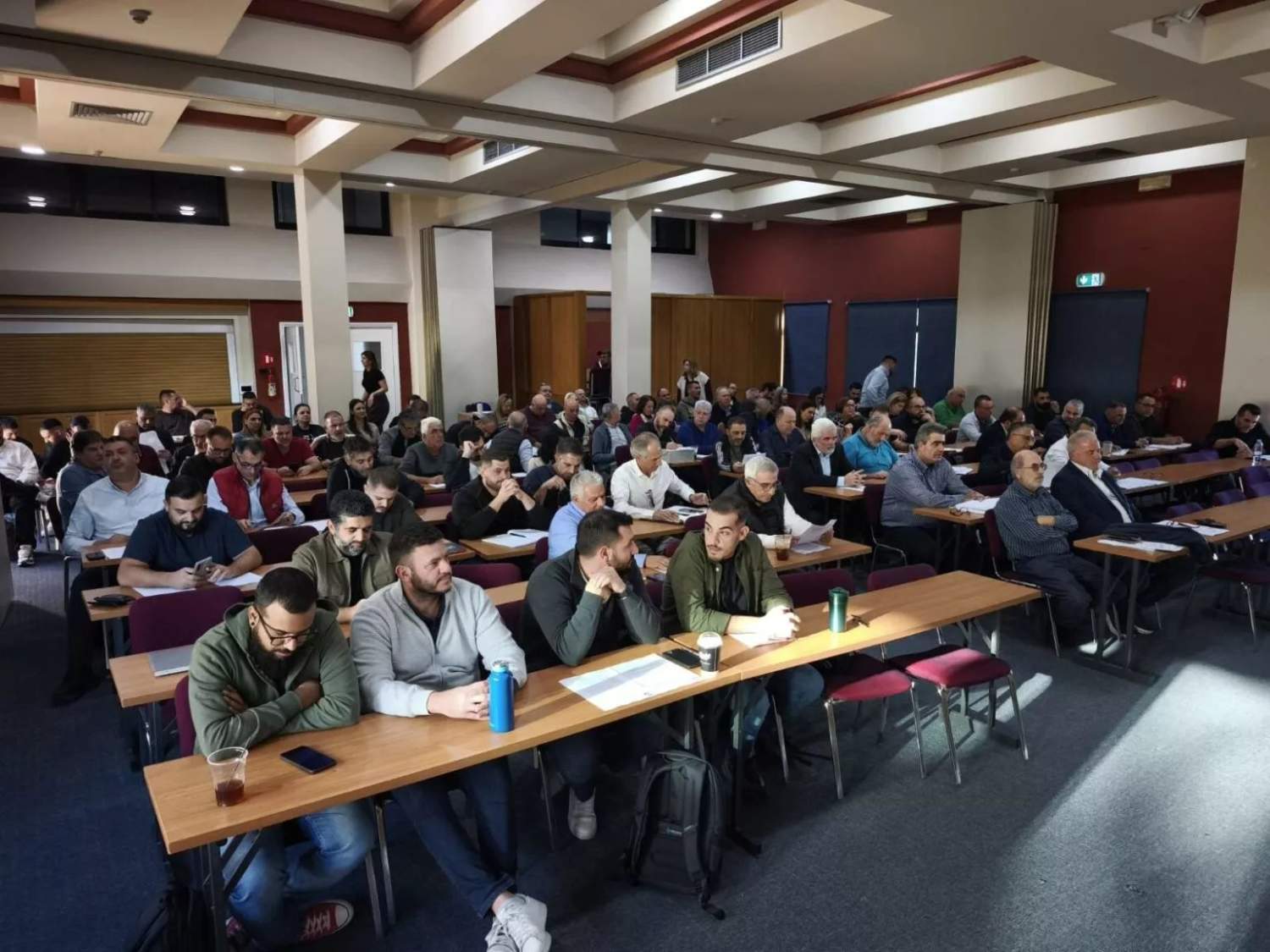
The union set out its positions after an enlarged session of its General Council on Monday. The council assessed the renewal of collective agreements that expired in late 2025 and early 2026, set PEO’s demands for agreements up for renewal in 2027, and discussed pension reform.
Wages and collective agreements
PEO said the growth in wealth has not been fairly distributed, and that the financial situation of a large share of workers is worsening further under pressure from high prices, rising housing costs and low wages.
It described the results of the latest renewals as positive. A total of 174 collective agreements covering 104,183 workers were renewed, with increases in pay and other benefits averaging more than 3 per cent on top of the cost-of-living allowance (COLA), PEO said. There were also improvements in reducing weekly working hours in agreements that provided for more than 38, in contributions to provident funds by both sides, and in full pay for parental and paternity leave.
For the 2027 renewals, PEO’s priorities are substantial increases in basic pay, with an emphasis on the low-paid, and higher minimum starting wages. It also wants a universal 38-hour week with no loss of pay, and stronger provident and welfare funds where they lag behind, through higher contributions and wider coverage. Other priorities include full pay for maternity, paternity, parental and carer’s leave, and full enforcement of collective agreements.
The union also wants sectoral collective agreements extended and given legal backing, with binding minimum wages, and a review of the strategy for employing third-country nationals, linking work permits to collective agreements. It also wants the COLA protected and extended.
On the cost of living, PEO is calling for a permanent cut in VAT on electricity, an end to what it calls double taxation on fuel, and substantial increases in social benefits and the minimum guaranteed income. It also wants emergency support, based on socioeconomic criteria, to help pensioners, vulnerable households and the low-paid with heating costs, as well as taxes on great wealth and windfall profits.
PEO is also seeking a comprehensive housing policy, including social and affordable housing and a means-tested rent subsidy scheme. It wants the General Health System (GHS) and public hospitals strengthened.
The union demanded that the government immediately honour its commitment to an hourly minimum wage. Talks on setting a new minimum wage are due to begin in 2027.
Pension reform
PEO said it cannot accept the philosophy that “what today’s pensioners will get, future pensioners will pay for”. It called on the government to fund pension increases adequately and not at the expense of future generations, to withdraw problematic provisions and to make substantial improvements before the bill is submitted to parliament.
The union said the proposal has some positive elements. The increase in the basic pension would benefit proportionately more those with many years of contributions who worked mainly in low-paid jobs. It said pressure from the trade unions had also led to changes to the government’s original proposals, including paying the planned increases over three years instead of five, extending transitional protection to 15 years and withdrawing certain unfavourable provisions on widows’ and disability pensions.
However, PEO said many problems remain. It said a significant number of pensioners would still have incomes below the poverty line, despite increases in the basic pension resulting from a change in how it is calculated and a redistribution of resources within the Social Insurance Fund. It said the scheme for low-income pensioners needs to be strengthened, with the poverty line as the eligibility threshold and a higher minimum guaranteed amount funded from the state budget.
The union said the proposed relief from the 12 per cent penalty was still inadequate. In its written position, it said the relief should cover both the basic and supplementary parts of the pension, take account of years of contributions and apply fairly to everyone affected, now and in future.
According to PEO, conditions for retiring at 63 would worsen, as raising the required years of insurance from 33 to 38 would effectively restrict the right to retire at that age. Not counting periods of study and childcare towards eligibility would create new injustices, it said, and would also affect widows’ and disability pensions. Under the new method of calculating the basic pension, the pension at 63 would be 15.4 per cent lower than at 65, while the 12 per cent cut in the earnings-related part remains.
PEO also said the change in how pensions are increased creates a real risk of slower rises. It said the injustice against men widowed before 2018 remains, and that the proposed abolition of the social pension in its current form raises serious concerns.
The union said the government’s plans to stop borrowing from the Social Insurance Fund and gradually repay its debt are in the right direction. However, it said safeguards are needed to ensure the state guarantees the fund’s benefits.
PEO added that securing an adequate income after retirement also requires extending provident funds to the thousands of workers who currently have none, which it said would require compulsory participation. It said it expects the government to set out its position and agree a roadmap towards a provident fund for every worker.
(information from the Cyprus News Agency)
Read more:

