


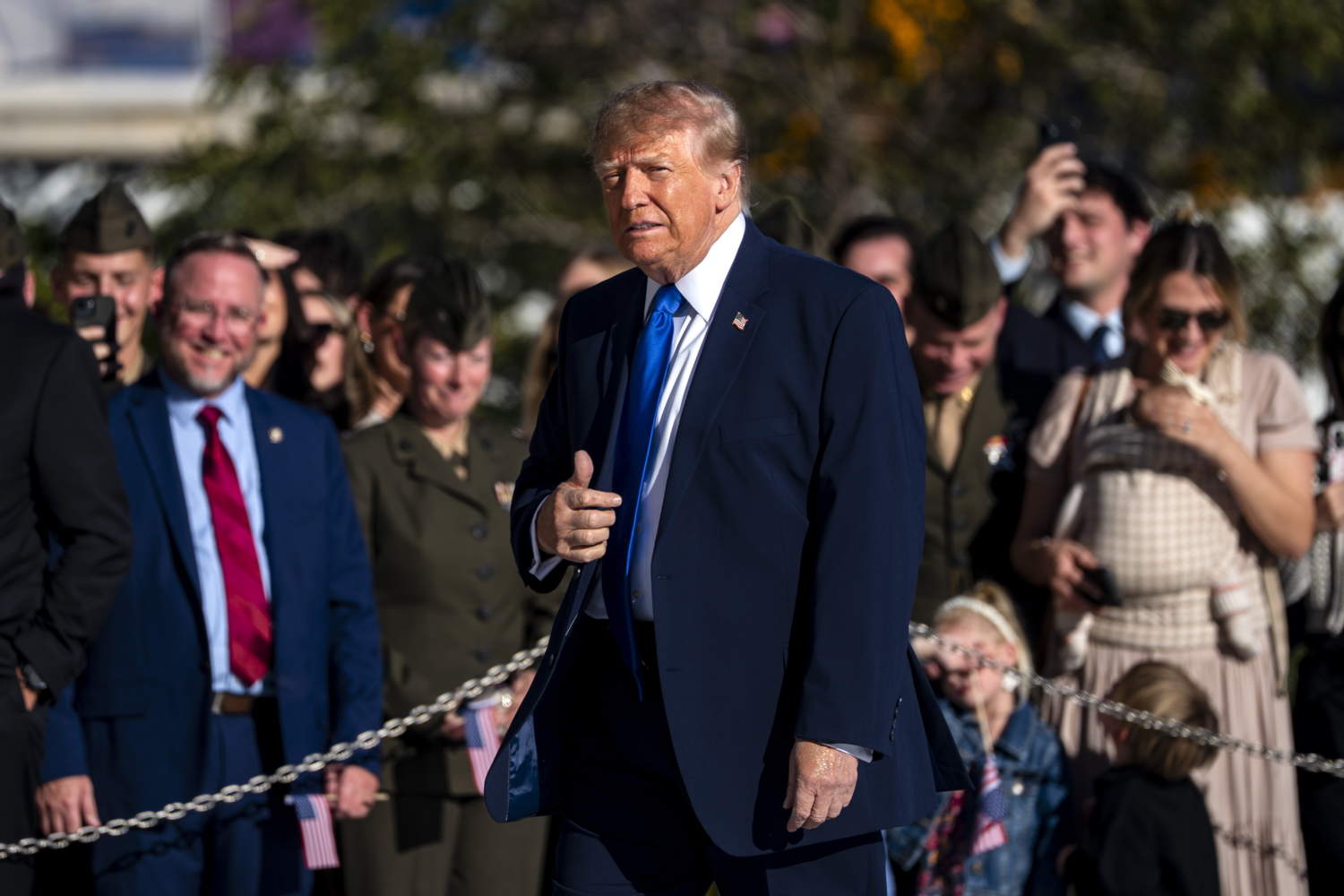
The US midterm elections, in which Americans elect members of Congress, governors and state and local officials, have traditionally been a major political test for the president and his party. Above all, they determine the balance of power in Congress and the extent to which lawmakers can support or challenge the administration’s domestic and foreign policies.
This year’s midterms come at a particularly critical moment. From the futile war with Iran to the rising cost of living, and from Donald Trump’s foreign policy to competition with China, the issues at stake extend far beyond US borders.
The result will test Trump’s policies and offer an indication of where the United States is heading in the second half of his presidency, with implications for allies and adversaries alike.
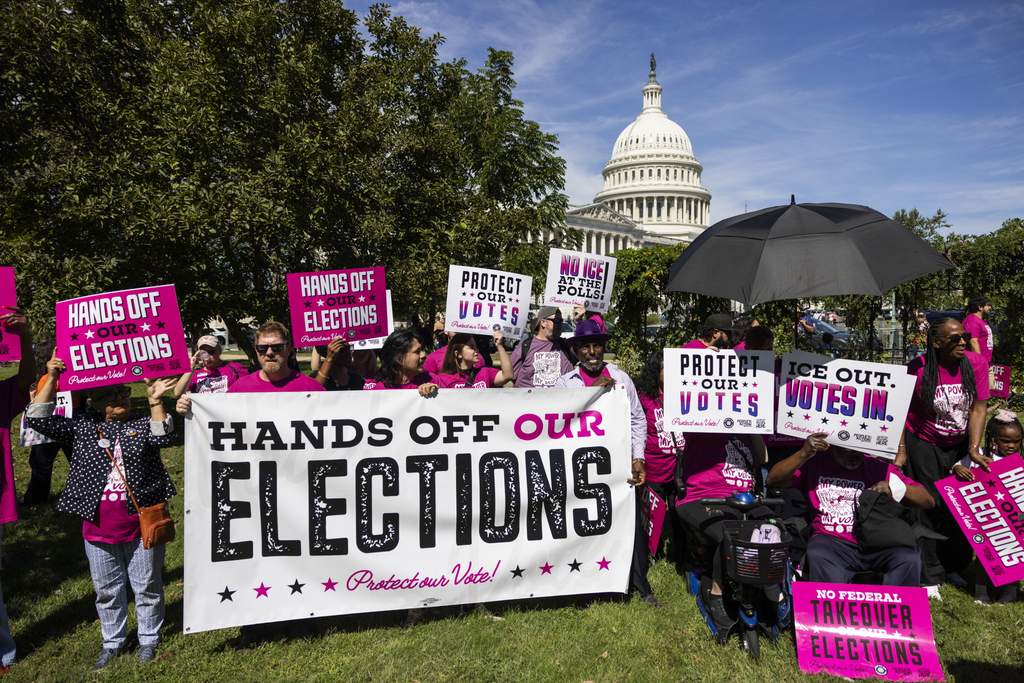
Anger
Public anger has become a defining feature of these elections. Opinion polls point to widespread dissatisfaction with the direction of the country and the impact of Trump’s second term on Americans’ daily lives.
Rising living costs and repeated increases in fuel, food and housing prices have fuelled voter frustration. Rather than seeing “America become stronger”, as Trump promised, many voters are facing financial pressures that have become increasingly difficult to bear.
Battleground states
Most US states have long leaned towards one party or the other. The outcome of the elections will be decided in seven key states: Texas, Kansas, North Carolina, Georgia, Ohio, Maine and Michigan.
Some analysts put the number at nine, adding Iowa and Alaska. Polls show neck-and-neck races in some of these states, while in others the gap between the two candidates has widened considerably.
Candidates
A large number of candidates are contesting this year’s elections.
They include incumbent members of Congress and governors seeking re-election, alongside newcomers hoping to overturn the existing political balance.
For Republican candidates, their relationship with Donald Trump has become a significant factor in their campaigns. Democrats, meanwhile, are seeking to capitalise on voter dissatisfaction with rising prices and the administration’s policies.
Congress
On November 3, Americans will elect all 435 members of the House of Representatives and 35 of the 100 senators.
Of the Senate seats being contested, 33 are up for election in the regular cycle, while two will be filled in special elections in Florida and Ohio.
Voters will also elect a range of state and local officials.
Control of Congress will largely determine how much freedom the president has to implement his policies. The newly elected Congress will take office on January 3, 2027.
Democratic Party
The Democrats were left reeling after the 2024 elections, having lost the White House and both chambers of Congress while watching Donald Trump set the political agenda largely on his own terms.
The midterms now offer them an opportunity to turn the tide.
If Democrats gain control of either the House of Representatives or the Senate, or both, they will be able to subject the Trump administration to much tougher congressional scrutiny through investigations and hearings. They would also gain greater influence over the federal budget.
Digital campaigning
Much of the battle for votes in the 2026 midterms has been fought on Americans’ screens.
Candidates and political parties have used social media, videos, emails and text messages to communicate their policies, raise campaign funds and encourage supporters to vote.
Spending on these digital campaigning efforts is estimated to have exceeded $1 billion.
Economy
Donald Trump has used his campaign speeches to defend his economic policies and convey the impression that the economy is performing well.
But his assurances are at odds with voters’ concerns about how much they are spending on petrol, groceries and other everyday essentials.
It is often said that elections are won or lost on the economy. The gap between the president’s positive assessment and the financial pressures experienced by ordinary Americans could prove decisive for Republicans on November 3.
Electoral fraud
Since his first term, Donald Trump has repeatedly made allegations of electoral fraud without ever producing evidence to support his claims.
Some members of the MAGA movement have urged him to consider extraordinary measures, including the imposition of martial law, if they believe the midterms have been rigged.
Against this backdrop, challenges to the legitimacy of the electoral process before polling stations have even opened are fuelling distrust and potentially laying the groundwork for the rejection of an unwelcome result.
At stake is not only control of Congress but also acceptance of the voters’ verdict, a fundamental requirement for the functioning of American democracy.
Electoral strongholds
Geography plays a major role in US midterm elections, although there is an important distinction between the two chambers of Congress. Senate races are decided by voters across an entire state, while House elections are contested in individual congressional districts.
Democratic strongholds include California, New York and Washington state, as well as much of the northeastern United States, major cities and university towns.
Republicans, by contrast, enjoy strong support across much of the South and parts of the so-called Rust Belt. They also perform particularly well in rural communities and smaller towns.
Elon Musk
Billionaire businessman Elon Musk has emerged as one of the Republican Party’s most powerful supporters.
His total financial contributions during the current election cycle have exceeded $442 million, a figure that could rise further.
His involvement has sparked intense debate, with critics arguing that Musk is attempting to do something no other billionaire has managed before: effectively buying up and reshaping part of the Republican Party’s organisational structure.
House of Representatives
Following the 2024 elections, Republicans secured a narrow 220–215 majority in the 435-seat House of Representatives.
Opinion polls, however, paint a bleak picture for the party. The debate is no longer about whether Democrats will win control of the House, but how large their majority might be.
A Democratic victory would give the party greater leverage in negotiations with Donald Trump over the federal budget. It would also allow Democrats to establish congressional investigations into the countless cases of alleged corruption that have come to light.
Jewish vote
Jewish voters could play an important role in the 2026 midterms, particularly in closely contested races where even small shifts in support could determine individual seats and ultimately control of Congress.
The war with Iran has added another dimension to the debate. Support for Israel does not automatically translate into approval of Donald Trump’s military decisions.
Several candidates from both parties, particularly Republicans, have distanced themselves from the administration’s approach and expressed opposition to unconditional support for Israel.
Key issues
The cost of living is a defining issue in the 2026 midterms, with rising prices for food, housing, energy and healthcare putting pressure on American households.
The war with Iran has also brought foreign policy closer to voters’ everyday concerns, adding to anxieties about the economy and national security.
Immigration policy, deportations, tariffs and abortion rights are among the other major issues dominating the campaign.
Questions about the functioning of democratic institutions and the limits of presidential power have also become part of a broader struggle over the country’s future direction.
Lobbying groups
Lobbying organisations are seeking to influence the midterms by supporting candidates who advance their interests.
Business groups, trade unions and organisations campaigning on gun rights, environmental protection or US relations with Israel are mobilising voters, financing political advertising and pressing candidates to adopt particular policies.
Through political action committees and independent campaigns, they can help their preferred candidates and undermine their opponents, particularly in closely contested districts.
Their ambitions extend beyond election day. Lobbying groups also seek access to elected officials and a say in shaping legislation.
MAGA
The Make America Great Again (MAGA) movement remains the dominant political force within the Republican Party, closely identifying itself with Donald Trump and his “America First” agenda.
The midterms will test whether the president retains his influence and whether that influence can translate into broader electoral support.
A Republican victory would reinforce Trump’s dominance of the party. A heavy defeat, however, could reignite internal debate about its political direction and leadership.
Online disinformation
Online disinformation poses a serious challenge to the 2026 midterms, with artificial intelligence making it increasingly easy to produce convincing fake videos, images and audio recordings.
Dozens of complaints and reports have already emerged involving fabricated statements attributed to candidates, false information and manipulated content that could undermine public confidence in the election results.
Polarisation
The 2026 midterms are taking place in a deeply divided America, where the confrontation between Republicans and Democrats extends well beyond disagreements over the economy, immigration and foreign policy.
Donald Trump remains the figure who unites his supporters and mobilises his opponents, turning the election into a referendum on his presidency.
At the same time, challenges to the integrity of the electoral process and the spread of disinformation are deepening distrust in public institutions.
The divisions have made cooperation between the parties increasingly difficult, while individual congressional races could prove decisive in determining the balance of power.
Polling hours
Polling stations do not open and close at the same time across the United States.
Each state sets its own voting hours, while differences between time zones further complicate the picture.
Polls begin closing at 6pm Eastern Time in parts of Indiana and Kentucky, with the last polling stations closing in part of Alaska at 1am Eastern Time the following day.
In the meantime, news organisations can publish exit poll findings from states where voting has ended, even while polling stations remain open elsewhere in the country.
Postal voting
Postal voting is an important part of the US electoral system, allowing millions of Americans to cast their ballots without visiting a polling station on election day.
Rules vary from state to state. Some automatically send postal ballots to registered voters, while others require voters to request one.
Counting postal ballots can take longer, depending on local procedures and deadlines for receiving completed ballots.
Postal voting has also become a source of political controversy in recent years, with unsubstantiated allegations of widespread fraud fuelling distrust of election results.
Race and ethnicity
The racial and ethnic composition of the electorate could influence the outcome of the midterms, particularly in closely contested states and congressional districts.
Black voters have traditionally supported Democrats by substantial margins, while voting patterns among Latino and Asian American communities are more varied.
No demographic group, however, votes as a single bloc. Income, age, education and political priorities all help shape individual voting decisions.
Republican Party
The midterms are shaping up to be a difficult political test for Donald Trump and the Republican Party.
If opinion polls prove accurate and Republicans lose control of both the House and the Senate, the party will be forced to confront the reasons behind its defeat.
The results after November 3 could reveal whether Republicans will attempt to distance themselves from Trump’s policies or whether Trumpism has become too deeply rooted in the party.
Senate
Republicans also control the Senate, currently holding 53 seats against 45 for the Democrats, with another two occupied by independents who caucus with the Democrats.
That balance could change after November 3. If opinion polls prove accurate, Democrats could come close to securing a majority, potentially winning in states where they have traditionally struggled, including Texas and Alaska.
Democrats need 51 seats to control the Senate because Vice President JD Vance, in his capacity as president of the Senate, holds the casting vote in the event of a tie.
Turnout
Voter turnout could prove decisive in determining control of Congress, particularly in states and districts where candidates are separated by only a handful of votes.
Turnout in midterm elections has traditionally been lower than in presidential contests, making efforts to mobilise supporters especially important for both parties.
Participation among young people, independent voters and ethnic minorities will also matter, as changes in turnout among these groups could shift the balance in closely contested races.

