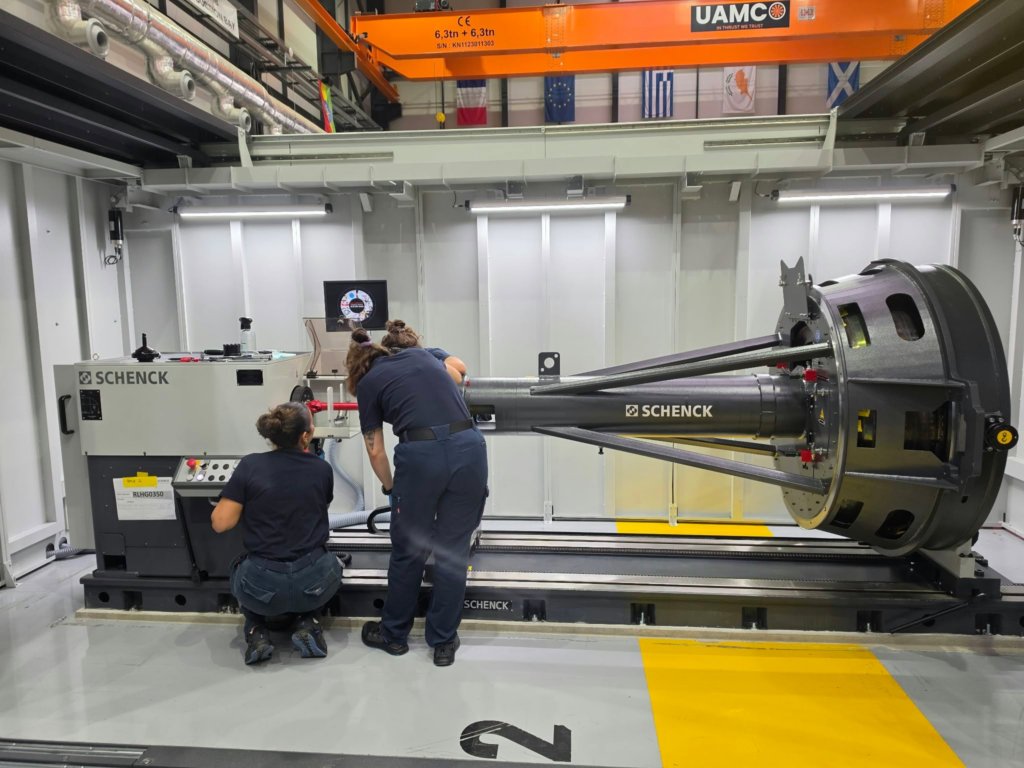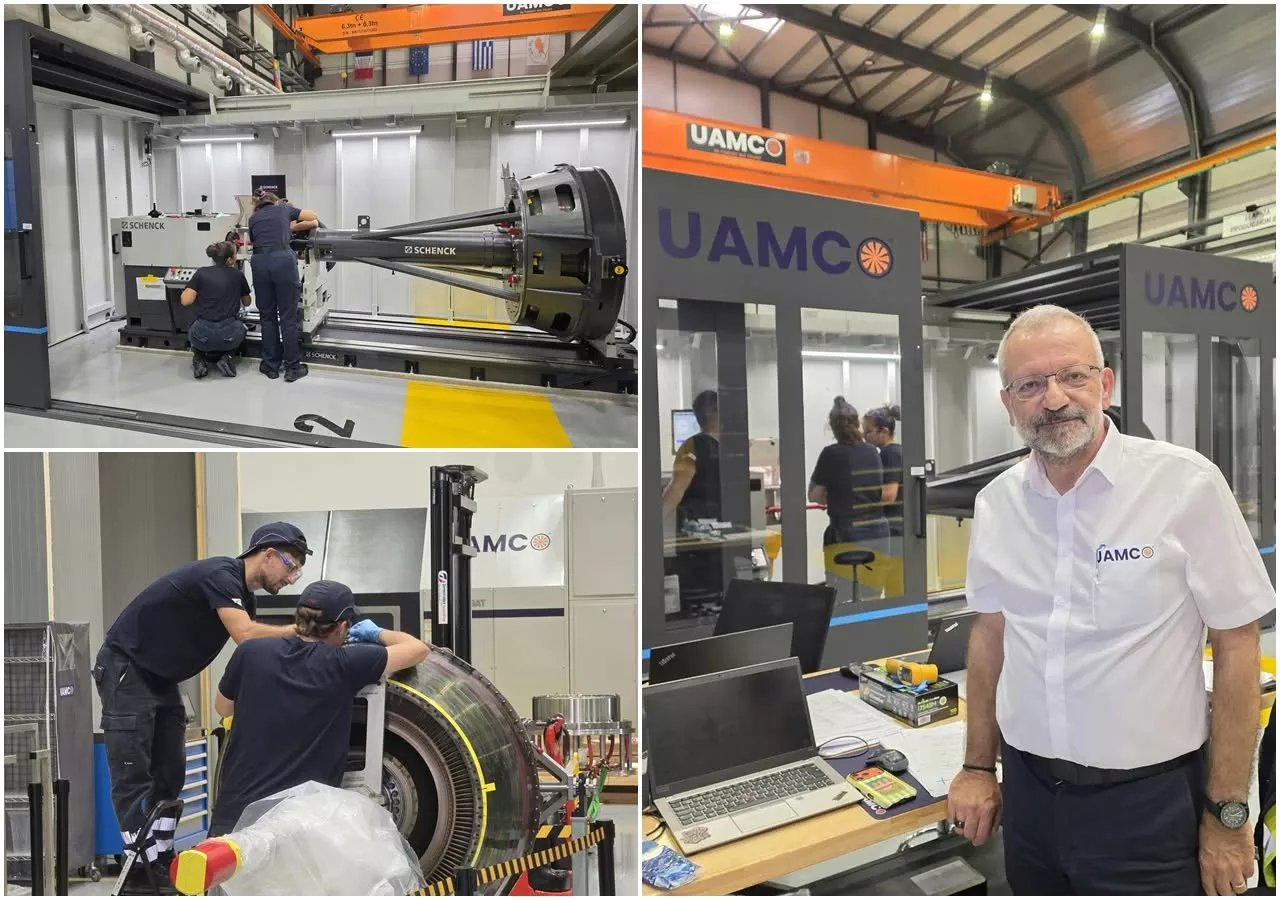
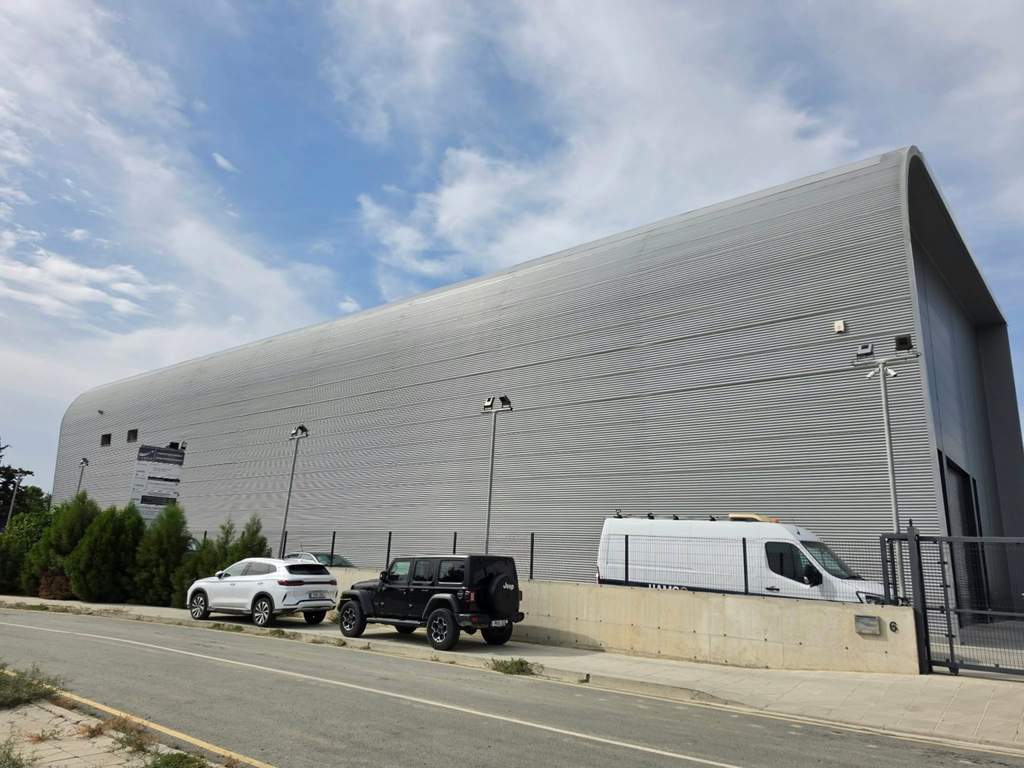
UAMCO, a Cypriot company that maintains and repairs aircraft engines in Aradippou, plans a 120 million euro expansion that will include a facility for testing engines, its founder and chief executive Giannis Savvides has said.
The company, which began operating in February 2025, is the first aircraft engine maintenance unit in Cyprus. It repairs engines used on new Airbus A320 and Boeing 737 MAX aircraft and has so far delivered 17 engines, which Savvides said are flying around the world without problems. He said the facility is the only one of its kind in southern Europe.
GE Aerospace, one of the world’s largest aircraft engine manufacturers, is the company’s client under an offload agreement, according to Savvides. He said investment in the building and machinery has reached nearly 30 million euros so far. Cyprus has attracted investment worth tens of millions of euros in aircraft maintenance, with Larnaca as its base.
Expansion
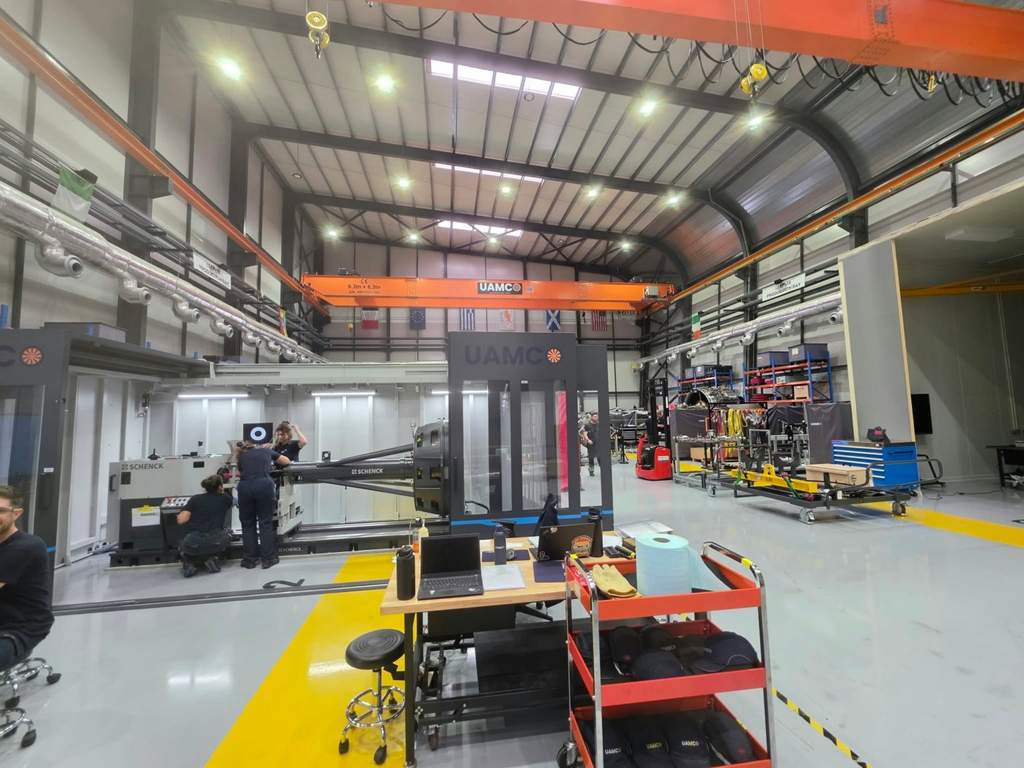
The expansion will be built on two more plots in the Aradippou industrial area and will include an aircraft engine test cell. The engines the company completes are currently sent to Brazil.
The new facilities will be four times the size of the existing ones, 30 per cent of the work has been completed and the company has approached banks for financing. Once the project is finished, staff numbers will rise to 120 to 130, Savvides said.
“Cyprus will be in great demand after the expansion,” he said. According to Savvides, about 10,000 aircraft engines are in service. Each must be removed from its aircraft every three to four years for this kind of maintenance, and the company aims to handle 100 to 150 engines a year.
Engines and clients
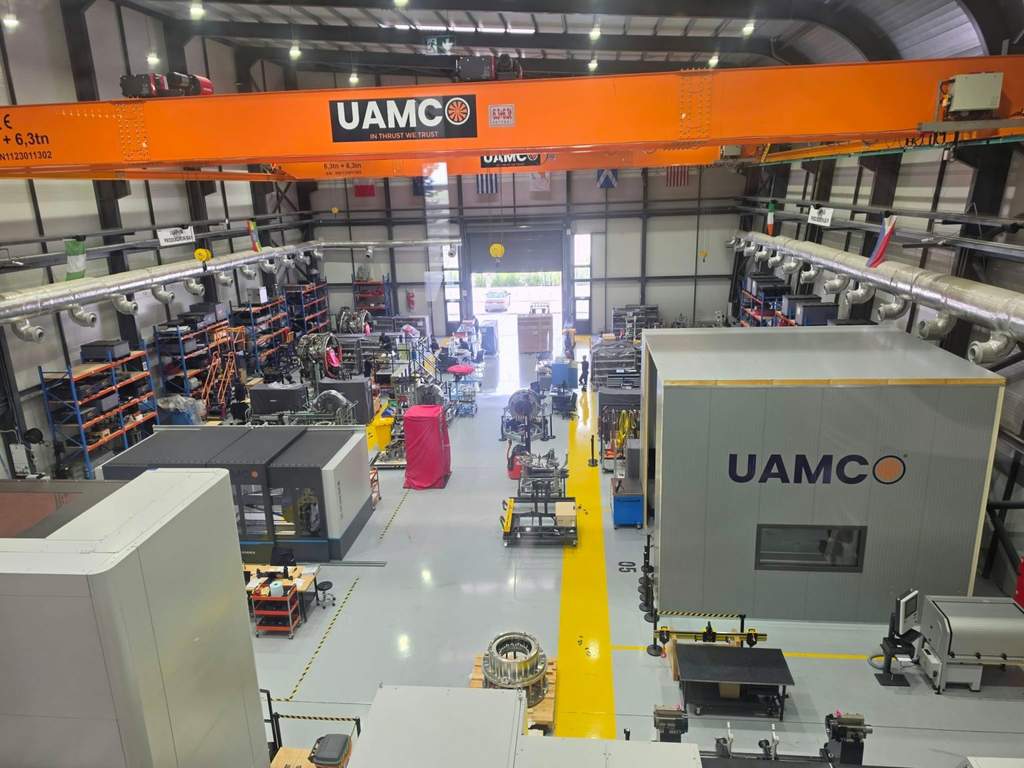
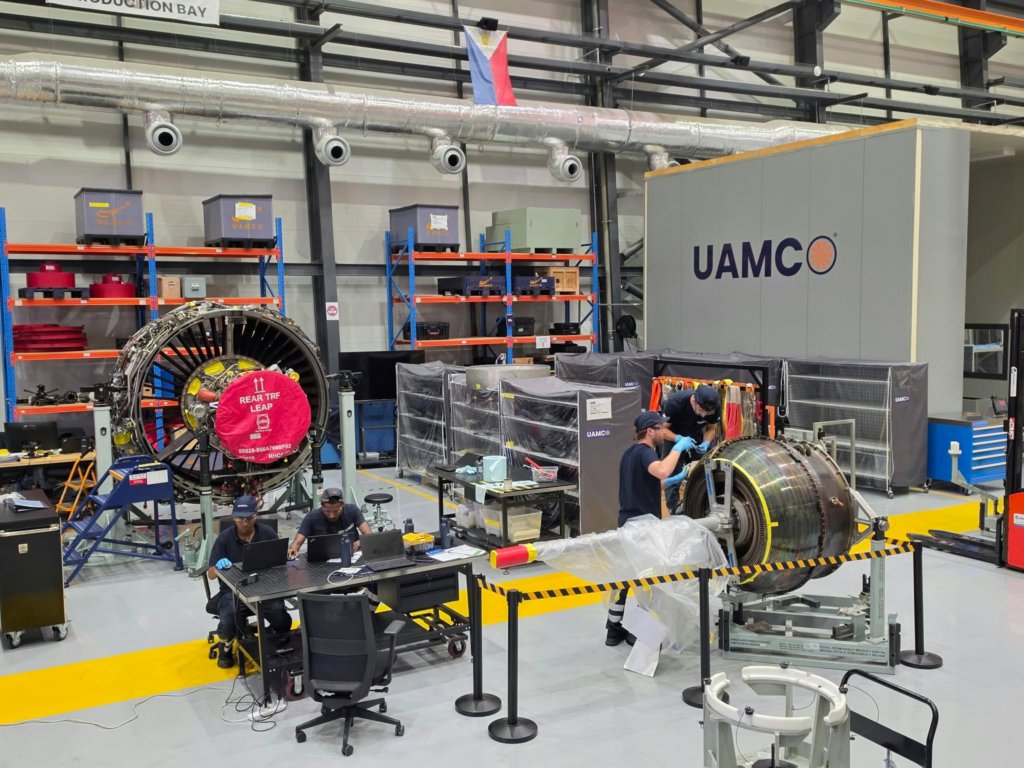
UAMCO is licensed by the engines’ manufacturer, CFMI, which Savvides said is based in France and was set up 70 years ago through cooperation between the US and French governments. It repairs two types: the LEAP-1A, used on the new Airbus A320, and the LEAP-1B, for the Boeing 737 MAX. There are ten other such workshops worldwide for these engines, he said.
The company has received engines because of its geographical position, irrespective of its being in the EU and holding certification from the European civil aviation authority and the corresponding authorities in Egypt and the United Arab Emirates, Savvides said. Its engines come from airlines in Egypt, Saudi Arabia and the UAE that buy them from the manufacturer. Each engine costs 20 million dollars, and repairs cost a few million depending on the engine’s condition.
Staff and background
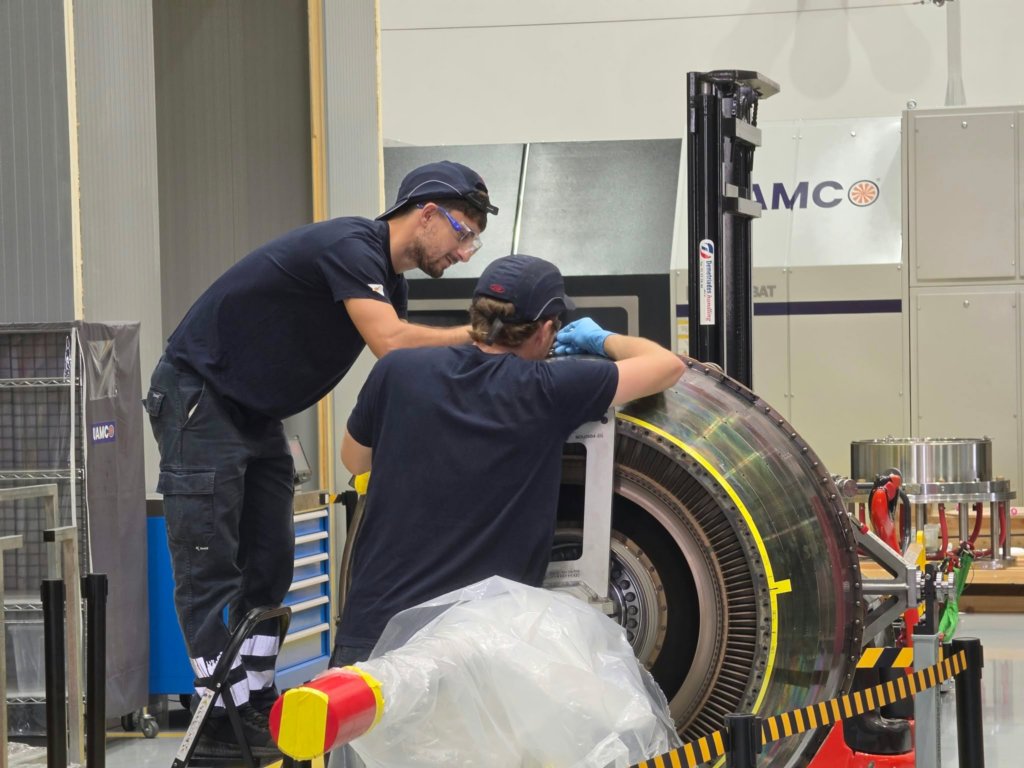
The company had 11 staff when it started and now has 45. Savvides said its policy from the outset was for half the staff to be specialist engineers from abroad and half to be Greek Cypriot mechanical and electrical engineers, aeronautics graduates and others, who work alongside the rest on a special programme.
Savvides, a Cypriot aircraft engineer, worked for Cyprus Airways, Emirates, British Airways and Virgin Australia, and for several years at Israel Aerospace Industries. He said the idea came four years ago during a visit to GE Aerospace in Cincinnati. Looking at a map of the company’s workshops around the world, he asked them to mark Cyprus and draw a circle covering four hours’ flying time. They told him they had no workshop within it.
He said his aim was to build something for the future of Cyprus. The country earns money from services and tourism but has a very high proportion of university graduates, some of whom have to work abroad, he said. The company constantly receives applications from Cypriots working abroad who want to return.