


Gaps in the law, limited powers and a lack of coordination between authorities leave important aspects of so-called wellness centres effectively unregulated, representatives of the bodies involved told parliament’s health committee. The centres offer medical and other procedures that may put people’s health and safety at risk.
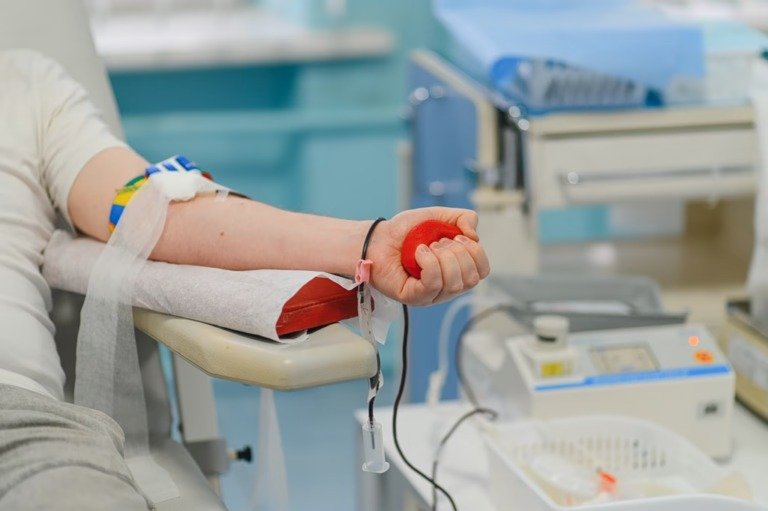
The committee also discussed a medical centre in Larnaca where a plasmapheresis machine was found during inspections. Because the centre is classified as a doctor’s practice, it falls outside the health ministry’s regular inspections of hospitals and clinics. A referral to the police did not produce enough evidence for further action, the committee heard.
Patients’ Rights Advocate Marios Charalambides told the committee that, despite the involvement of several authorities, the centre was still operating. Police told the committee that the owner had decided to suspend its operation until the investigation was completed.
Representatives of the health ministry, the Cyprus Medical Council, the Cyprus Medical Association (CyMA), the Law Office of the Republic and the Patients’ Rights Advocate described a system in which each body has specific, limited powers, but no one oversees the services as a whole.
Charalambides said seven or eight different bodies were involved in determining whether a service was safe, each checking a different aspect: the doctor, the equipment, the licence or the conditions under which it was provided. Without sharing information and overall supervision, he said, no one could see the full picture, and safety was lost.
He warned that even a legally registered doctor and approved equipment were not enough to make a service safe. “Nine or ten things may be fine and one piece missing, even with fatal results,” he said.
Gap on doctors’ practices
The health ministry explained that there is no legal framework for licensing and inspecting doctors’ practices equivalent to that for hospitals, which limits what the authorities can do. It said its position was that the treatment in question should be carried out in hospitals, and that it had intervened for that reason.
Limited powers
The Cyprus Medical Council explained that its powers were set by law. It can file a complaint if it is told that someone is presenting themselves as a doctor without being one, but wider oversight would require changes to the law and an extension of its powers.
The Law Office said it was ready to help with the necessary measures, within the powers of the existing law.
CyMA acknowledged the need for effective oversight, saying it should be established which body is responsible for checking each activity and where the gaps in the law lie. It can investigate matters within its remit, but cannot carry out overall checks on how such centres operate.
The committee heard that it should be clear not only whether a medical machine is approved, but also where it is installed, what it is used for and who is responsible for operating it. The need to define clearly which procedures count as medical acts, and under what conditions they may be carried out, was also raised.
Advertising
Charalambides warned that the problem was not limited to the treatment in question or to plasmapheresis, but extended to a wider range of services presented as wellness or alternative therapies. He said advertising such services could mislead people who have no way of knowing whether what they are offered is safe.
CyMA raised similar concerns about the aggressive promotion of services on social media, and about centres using doctors’ names.

