


Cyprus has asked the European Commission for a special derogation allowing it to cut excise duty on heating oil further, joining a growing list of EU countries pressing Brussels for fiscal leeway to cushion high energy prices ahead of a summit of the bloc’s 27 leaders on October 15 and 16.
Under the government’s new package of measures, the duty falls from 7.4 cents to 2.1 cents a litre, and Nicosia is now seeking permission to go lower still, Finance Minister Makis Keravnos told Phileleftheros last week.
The requests come as talks on the EU’s 2028–2034 budget take place amid major geopolitical instability and uncertainty over the cost and supply of energy in Europe.
Facing strong inflationary pressure, one country after another is asking the Commission for fiscal space and room for manoeuvre within the EU’s fiscal rules. The Commission has already allowed member states, under certain conditions, a deviation from the fiscal rules of up to 0.6 per cent of GDP cumulatively until the end of 2028 for energy investments.
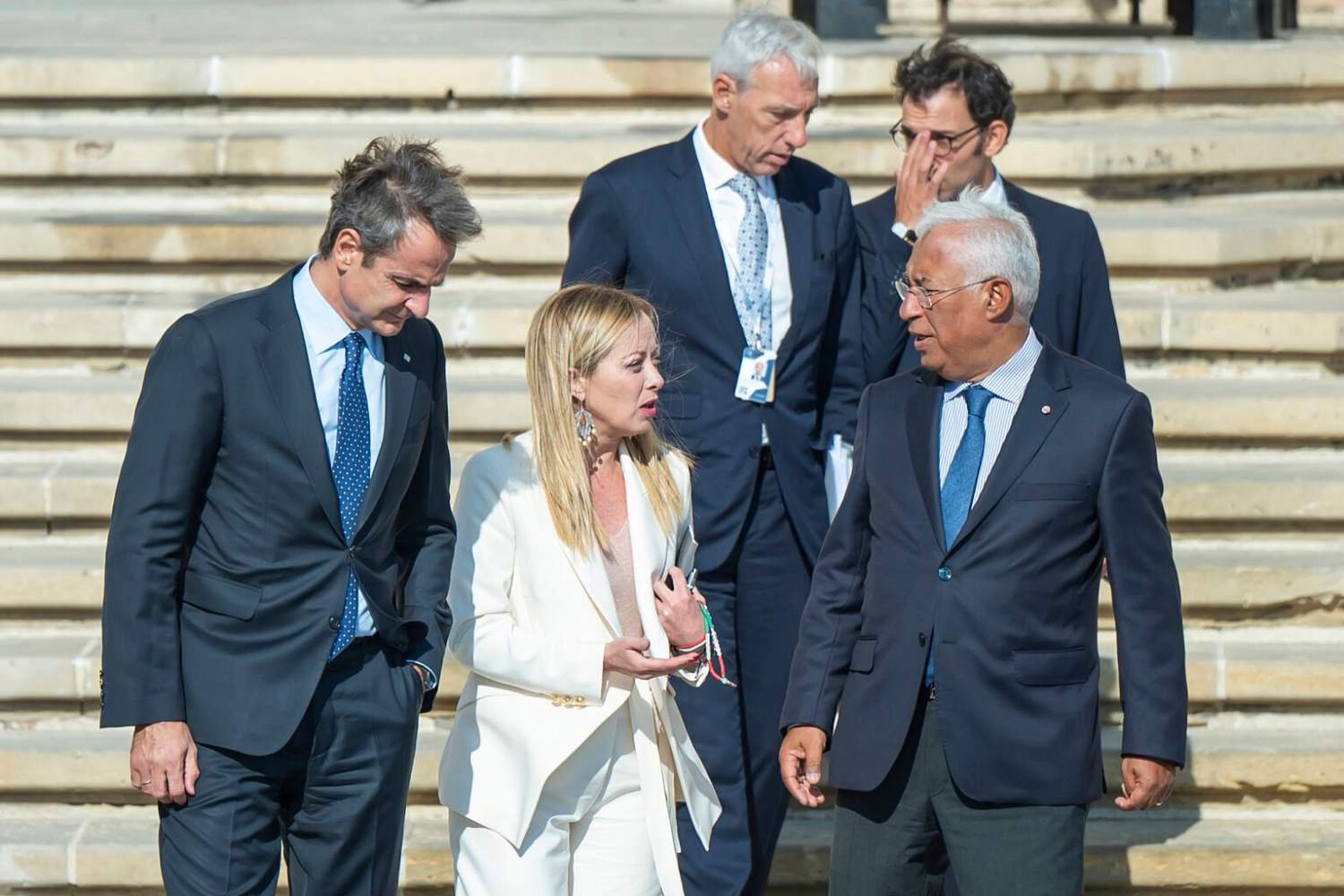
Italian Prime Minister Giorgia Meloni and Greek Prime Minister Kyriakos Mitsotakis have written to the Commission seeking greater fiscal flexibility as the cost of national support measures soars. Mitsotakis has proposed that member states be allowed to use additional tax revenue generated by higher prices to fund support measures, returning it to the economy to protect households and businesses.
Ten member states are in an excessive deficit procedure, nine of which also have public debt above 60 per cent, meaning they must find billions to tackle high energy costs while Brussels demands restraint in public spending. Fourteen of the 27 member states have debt well above the limit of 60 per cent of GDP, with Greece at 143.5 per cent, Italy at 138.9 per cent, France at 117.6 per cent, Belgium at 109.1 per cent and Spain at 101.6 per cent at the top of the list, according to Eurostat.
Upcoming elections are adding political and social pressure on governments. Five countries, Italy, Greece, Spain, the Czech Republic and France, are leading the push with proposals for relaxed rules and relief. In Spain, Pedro Sanchez on Monday called snap elections for November 29.
Meloni and Czech Prime Minister Andrej Babis are taking a joint package to the summit. It targets the Emissions Trading System (ETS), under which industry and power producers pay for the emissions they produce. The two countries are seeking a mechanism to curb sharp rises in the price of emissions allowances and a postponement of the new ETS2, which extends emissions pricing to fuels for buildings and road transport.
The methane regulation is also on the table. France’s Emmanuel Macron is seeking a one-year postponement of its requirements on oil and gas imports, and more than 12 countries have asked for the rules to be postponed or suspended.
Separately, Germany, Spain, Portugal, Italy, Poland and Austria are calling for an EU-wide tax on oil companies’ windfall profits.
Two meetings come before the summit. Eurogroup finance ministers meet on October 8. The Economic and Financial Affairs Council (ECOFIN) follows on October 9, when ministers are expected to take decisions under the Stability and Growth Pact, among other things.

