


Negotiations for the European Union’s next seven-year budget are moving to the level of heads of state and government ahead of the October 15-16 summit, with attention increasingly focused on the challenge of securing financing and revenues without inflating national contributions.
European Council President Antonio Costa set the tone following his tour of European capitals, calling on the October summit to provide a clear framework for an updated basket of new own resources—generated through fees and taxes—to ensure alternative funding sources become an integral part of the overall Multiannual Financial Framework (MFF) compromise.
Franco-spanish push vs. frugal ultimatum
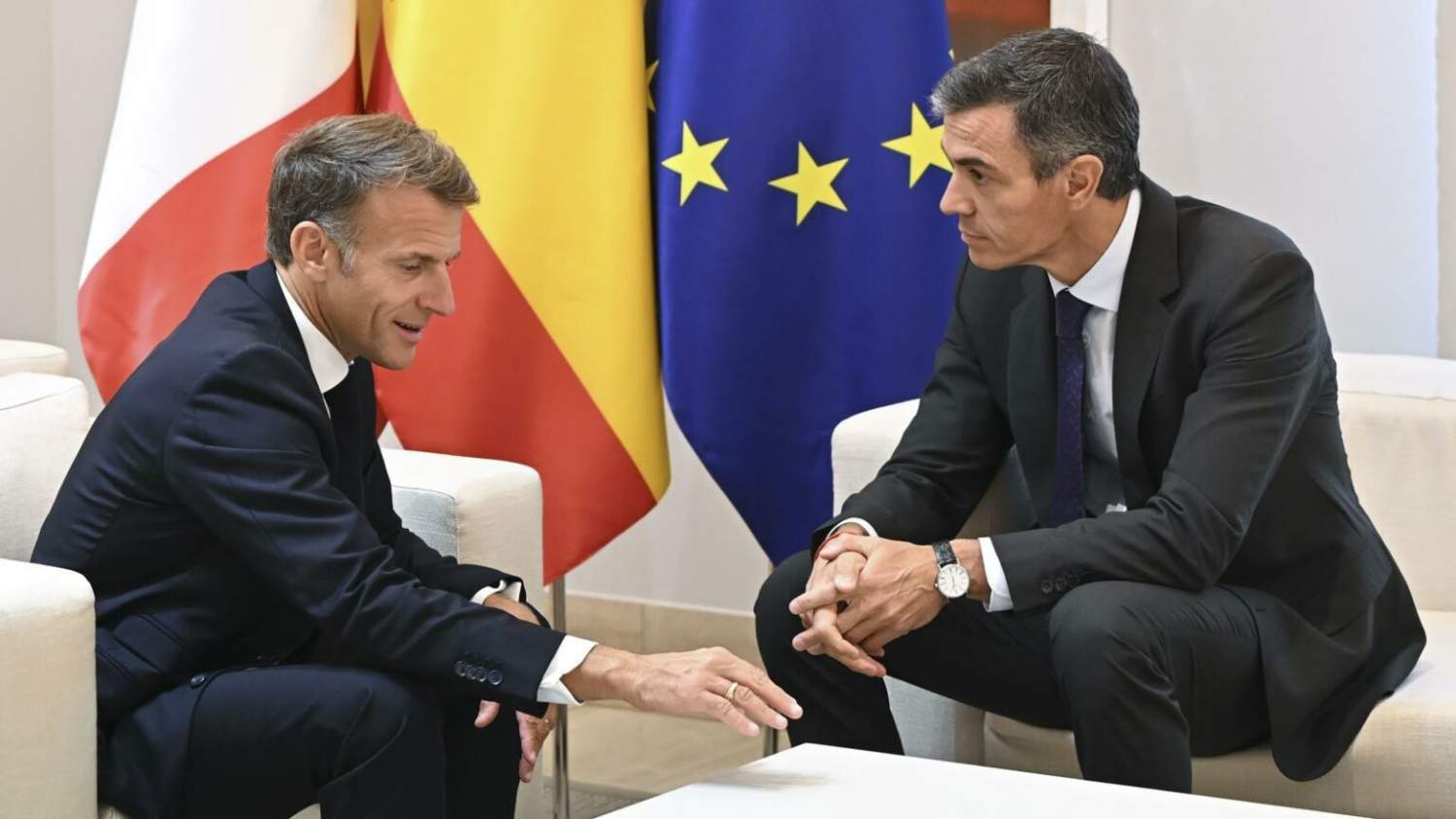
French President Emmanuel Macron and Spanish Prime Minister Pedro Sánchez recently aligned publicly behind the necessity of a significantly more ambitious European budget. Sánchez emphasized that Europe cannot demand enhanced security, strategic autonomy, competitiveness, technology, and defense while simultaneously cutting the financial tools required to fund them.
France has backed new own resources, proposing supplementary revenue streams such as a digital levy to help keep national contributions in check. Furthermore, Macron opened a debate on extending the repayment timeline for common debt incurred under NextGenerationEU rather than rushing payback through the new budget framework, aiming to free up fiscal space.
Standing in sharp opposition are the six “Frugal” member states: Germany, the Netherlands, Sweden, Denmark, Austria, and Finland. According to the Financial Times, German Chancellor Friedrich Merz and his five counterparts warned that no agreement will be reached unless the European Commission’s proposal is slashed by hundreds of billions of euros, delivering a strict political ultimatum ahead of critical negotiations.
Revenue proposals and member state divisions
The European Commission has estimated potential annual yields from five primary new revenue sources, totaling roughly €44 billion per year:
- E-Waste Levy: A fee of €2 per kilogram on uncollected electrical and electronic waste is projected to generate approximately €15 billion annually.
- Tobacco Duty (TEDOR): Reallocating portions of tobacco-related tax revenues is expected to yield about €11.2 billion.
- Emissions Trading System (ETS): Carbon market revenues could contribute an estimated €9.6 billion yearly.
- Corporate Contribution (CORE): A levy on large enterprises is slated to bring in around €6.8 billion.
- Carbon Border Adjustment Mechanism (CBAM): Import carbon pricing is projected to add roughly €1.4 billion annually.
When factoring in proposed adjustments to existing EU revenues, total anticipated additional inflows could reach about €58.2 billion per year. However, according to an Irish Presidency diplomatic note cited by Euractiv, these revenue streams face significant pushback. The corporate contribution (CORE) targeting businesses with turnovers exceeding €100 million faces the strongest opposition from most member states, while tobacco duty transfers also encounter widespread governmental reservations. Conversely, carbon import border charges and e-waste fees show more promising ground for compromise.
Beyond overall funding levels and revenues, deep divisions persist over defense spending. France is pushing for strict European preference rules for projects funded by the European Competitiveness Fund, whereas 12 member states—including Germany, Italy, the Netherlands, Sweden, and Finland—insist on keeping participation open to non-EU allies such as the United Kingdom and Canada. Meanwhile, the European Parliament is scheduled to debate its position on October 5, pushing for an own-resources basket yielding at least €60 billion annually to prevent the financial burden from shifting back to national treasuries.

