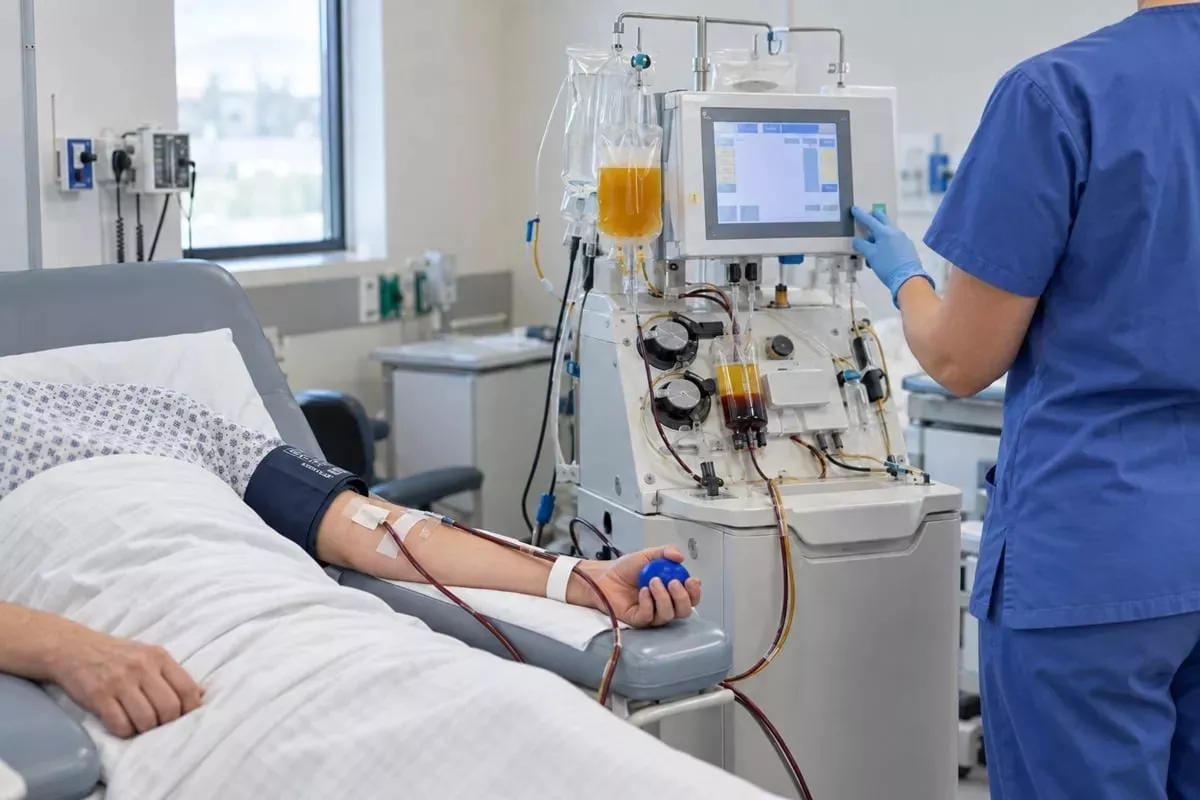
The debate sparked over alternative treatments, charlatanism, and the operation of wellness centers has brought back into the spotlight an issue that has already mobilized competent authorities in Cyprus. This concerns a gray area where services presented as wellness, rejuvenation, or physical fitness intersect with pharmaceutical substances, injectable treatments, and other invasive procedures. The core question centers on where wellness services end and medical practices governed by specific rules, scientific protocols, and strict oversight begin.
In recent periods, complaints have emerged regarding the administration of unauthorized products, the operation of centers providing invasive services, the involvement of health professionals, and significant weaknesses in the existing oversight framework. Pharmaceutical Services in Cyprus have been investigating complaints concerning health professionals and the administration of unauthorized injectable and other formulations promising health, appearance, and fitness improvements. Products under investigation included peptides, hormonal analogues, and other substances with pharmacological action.
From Clinics to Gyms and Spas
Dozens of complaints reached Pharmaceutical Services regarding the provision or administration of products in locations not necessarily linked to traditional medical structures, including gyms, aesthetic institutes, hairdressing salons, spas, and through professionals offering intravenous infusions. Consumers face terminologies such as natural, biomimetic, pharmaceutical grade, high purity, or personalized, while websites and social media promote serums and interventions promising enhanced energy, immune support, improved skin appearance, metabolism acceleration, fatigue management, or faster post-exercise recovery.
The Ministry of Health has clearly distinguished wellness services from medical procedures, with Health Minister Neofytos Charalambides clarifying that procedures like plasmapheresis constitute recognized medical treatments and cannot be presented as simple wellness services. The minister ordered a nationwide mapping of facilities providing similar services to record professionals, procedures, and equipment.
Institutional Concerns and Expert Warnings
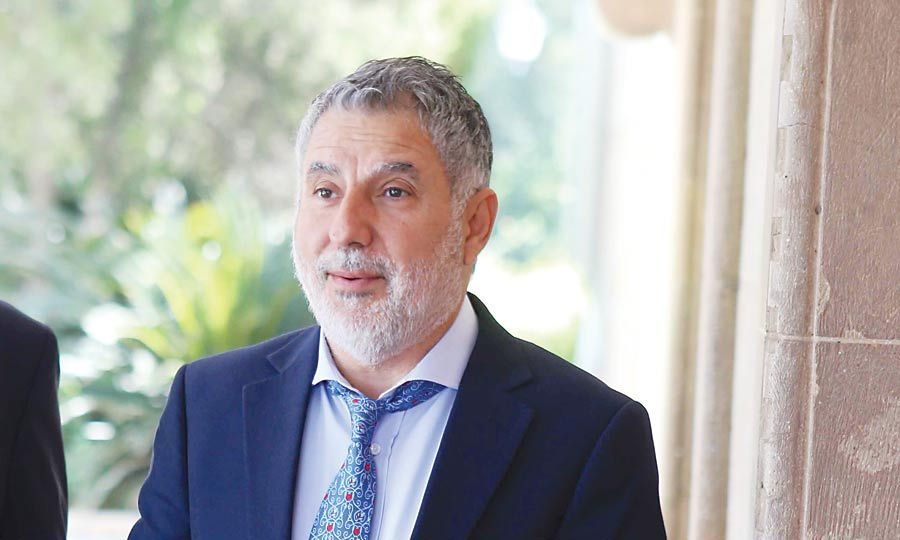
Cyprus Medical Association President Dr. Petros Agathangelou stated that while medical science and technology create new possibilities for prevention, diagnosis, and treatment, the direct commercial promotion of health services and products through digital communication has created a complex environment. Agathangelou emphasized that offerings must rely on adequate scientific documentation, qualified professionals, legal products, and safe conditions. He noted that the association took legal action when informed that doctors’ names and photos appeared on company websites without consent.
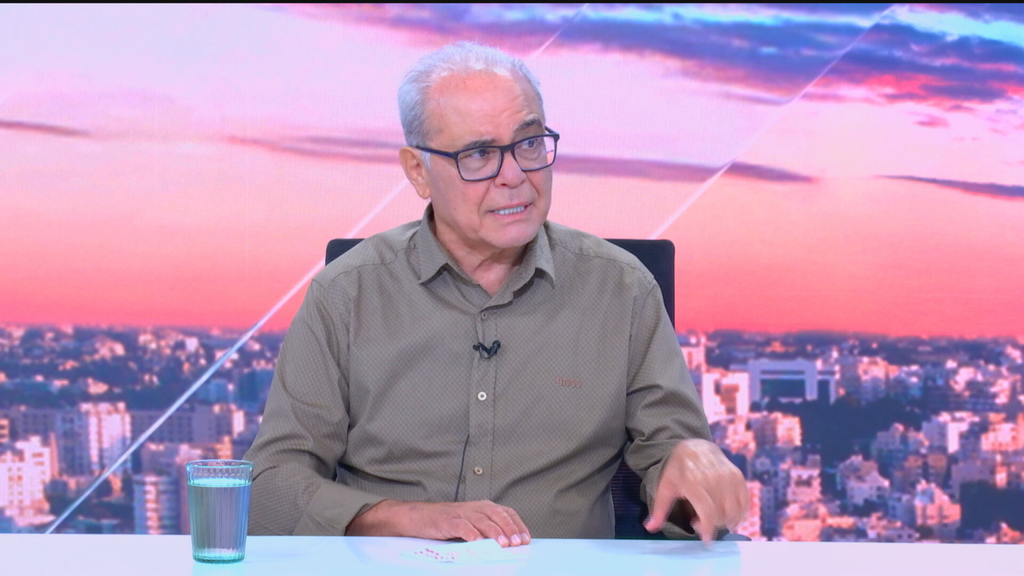
Former Cyprus Medical Association Ethics Committee President Vassos Oikonomou warned that the spread of alternative treatments without a clear institutional framework creates serious issues for patient safety and the healthcare system. Oikonomou highlighted that practices like homeopathy, acupuncture, and reflexology are often applied by individuals without recognized medical training, noting that the absence of a clear framework leaves patients and health professionals exposed.