


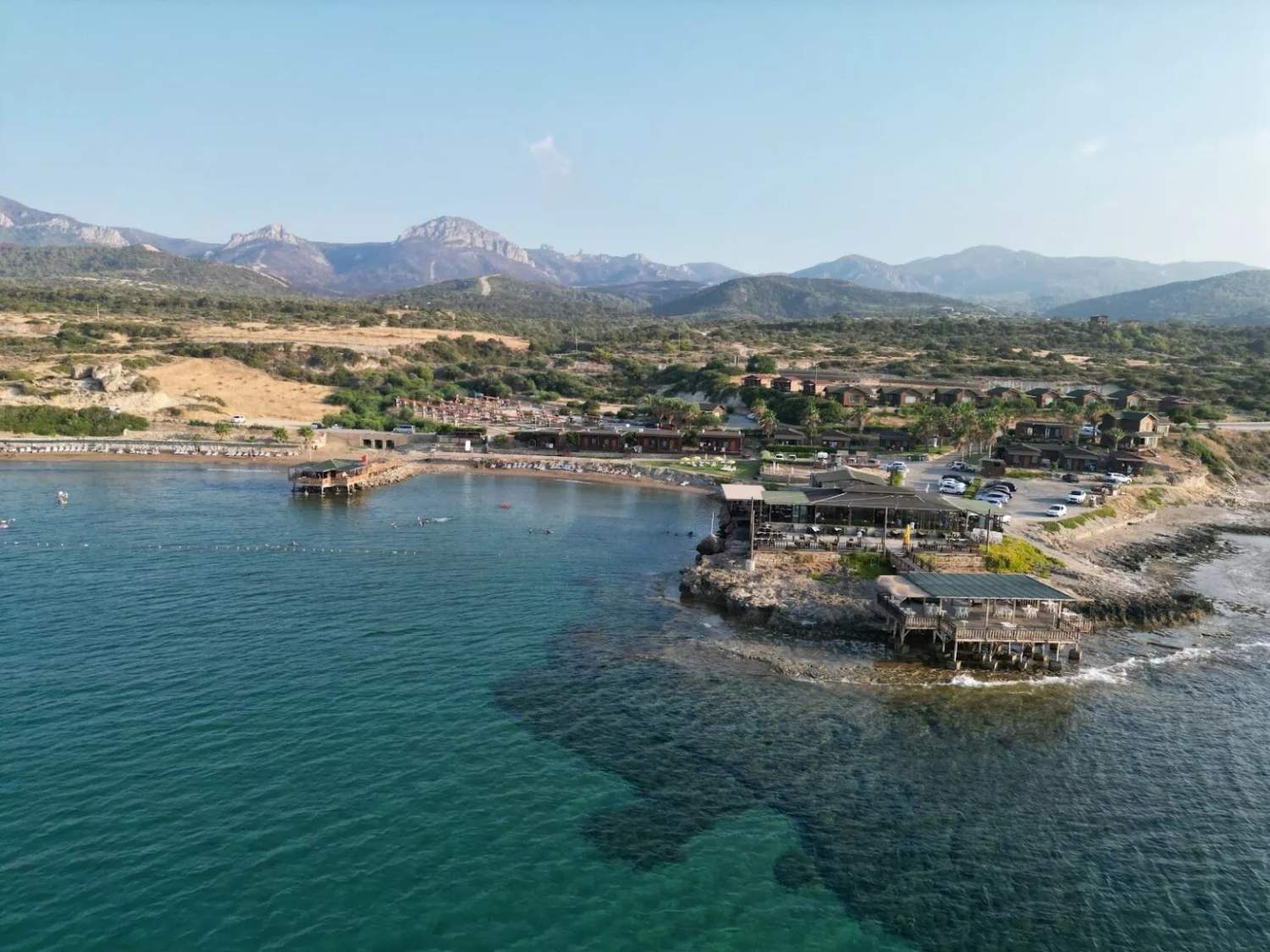
Occupied Akanthou is being transformed into a tourism destination akin to Ayia Napa, with large numbers of holiday properties under construction, Loizos Michael, a Pancyprian Refugee Association (PEP) member from the village, warned the House Refugees Committee on Tuesday. He said that once the last generation with a living connection to the village has died out, in a few years’ time, it will become easier for Akanthou to be forgotten and for those who remain to feel cut off from it.
Speaking to Phileleftheros, Michael said many properties in Akanthou are held as so-called “adelfomoirka”, undivided inheritance shared among siblings. Although parents had decided, or told their heirs verbally, who each property belonged to, the titles were never formally transferred, leaving the properties in limbo. He estimated that as much as half of Akanthou’s properties may be in this position.
He said the absence of formal titles could eventually mean some properties end up belonging to no one in practice, something he warned Turks might attempt to exploit. He also questioned whether, even under a Cyprus settlement that included compensation, the heirs of rightful owners would end up being covered.
Asked about the land records, Michael said owners and heirs have registered with the Land Registry Department which parcels belong to them, but added: “unfortunately, there are quite a few disputed ones,” since more than one person has claimed the same parcel. He said the registrations were based on guidance from the rural guards of the time, who had a clearer picture of who owned what, and whose testimony is considered the most reliable, given that the property titles themselves are held at the Republic of Cyprus Land Registry in Famagusta.
According to Michael, the only people who appear to gain access to the Republic of Cyprus Land Registry’s official records in occupied Famagusta are owners who decide to sell their properties, in which case they are given information through what he called the self-styled “Land Registry” of the occupied areas.
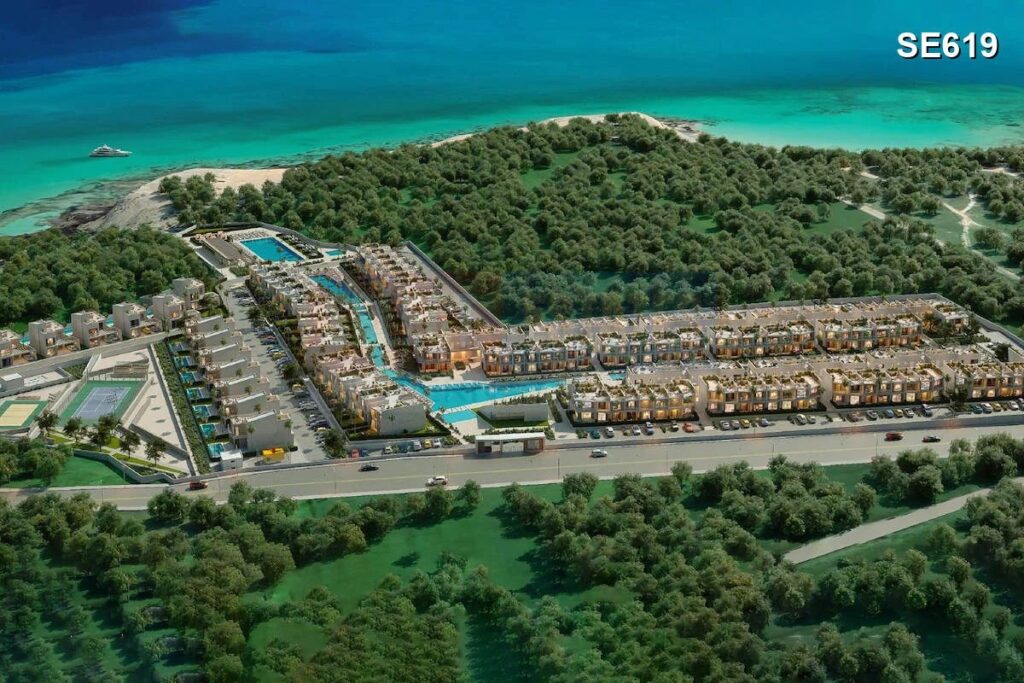
Turning to development pressures, Michael said mainly foreign investors, including Turkish businessmen, have built over a stretch of coastline roughly 20 kilometres long, with similar construction taking place on the Akanthou plain. He said building has now begun spreading to the foot of the mountain as well.
Some of the housing projects pursued in the area were driven by property usurpers who have already drawn scrutiny from Republic of Cyprus authorities and Cypriot public opinion, though Michael said the concreting of the area is not limited to those cases alone.
He pointed to a further problem: those who lived through the events of 1974 and had a direct connection to the occupied areas are dying out, leaving children and grandchildren with little or no direct link to their parents’ or grandparents’ properties. He said that within five years, any such connection is likely to disappear altogether.
The Akanthou Municipality’s own website references the usurpation of land, the sale of Greek Cypriot properties and the illegal construction of new buildings in the area.

