


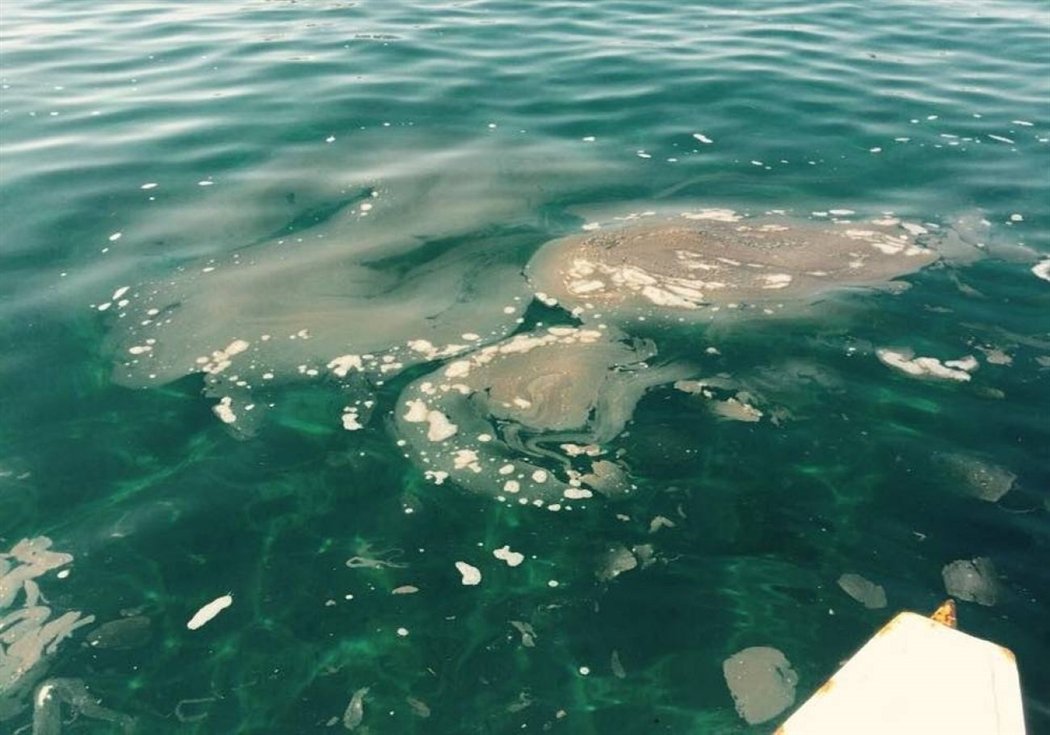
Limassol’s sea pollution problem isn’t new. It’s been going on for years, and there’s still no fix. Everyone lining up to say how concerned they are means nothing to the public. Because pollution doesn’t get solved with statements. It doesn’t get solved by simply noting that it exists.
Limassol has the longest stretch of coastline of any city here, so naturally people are worried, and rightly so. But worry has tipped over into real anger, because it’s simply not on that someone can’t go for a swim at their nearest beach because the sea isn’t clean.
The issue was discussed a few days ago at the Deputy Ministry of Shipping, with every relevant party in the room: all the relevant agencies and local authorities, all supposedly working towards measures that will actually be put into practice, with the ultimate goal of containing the problem and finally solving it.
From what’s been said publicly, the possible sources of pollution are many and varied: discharge pipes, sewage treatment plants, boats and ships pumping out waste, fish farms, and rainwater run-off too.
As has also been pointed out, what’s needed now is to map out the causes, run proper checks, and give clear answers about where each pollution incident is actually coming from.
Unfortunately, after all these years of this problem sitting there, we’re still stuck asking the most basic question of all: what exactly is the problem, and where is it coming from.
Limassol’s sea pollution problem refuses to go away because it’s… trapped in the bureaucratic gears of the state and its various departments. The Deputy Ministry of Shipping has taken on a coordinating role, as has been reported. That’s a step in the right direction. But the other agencies involved, and local government too, need to stop dodging responsibility. And start acting.
What cannot happen now, with this problem back in the spotlight over the past few days, is more finger-pointing over who’s responsible for what. Is it really acceptable to say that because 18 state agencies are involved, nothing gets done because their remits keep clashing? Or to hear one agency say it’s waiting on another to act?
Worth noting: Charalambos Theopemptou, former chair of the House Environment Committee and former Environment Commissioner, who has spent years working on marine pollution and waste management, put it this way: “It cannot be that similar incidents have been recorded for 12-13 years now and the state machine only springs into action each time a new episode comes up.” That says it all.

