


This news piece was first published on policypress.cy
By Bilun Gunes, Antonia Michael
Cyprus’ municipalities have said the country is not ready for the nationwide rollout of the Pay As You Throw waste-charging system from 1 January 2027, warning that the cost of state delays and infrastructure gaps risks falling on households. In a statement on 25 August, the Union of Cyprus Municipalities said the public announcement of a universal launch, made without prior substantive consultation and agreement with local government, raised serious questions and reasonable concern.
The Union said it had repeatedly stressed that an undertaking of this scale could not be advanced through public statements and unilateral timeframes, but required comprehensive planning, institutional dialogue and, above all, guarantees on the necessary infrastructure, adequate funding and equipment. Under Pay As You Throw, residents pay according to the volume of unsorted waste they generate, typically through prepaid rubbish bags, the aim being to reward those who sort and recycle and to cut the share of waste sent to landfill.
Contradictions in the planning
The Union said public statements by the Department of Environment had exposed serious contradictions in the planning. It said mandatory application of the system was being announced within a few months, whilst acknowledging that basic conditions for it to function had not yet been secured. It was telling, the Union said, that a new state treatment unit, budgeted at 20 million euros, had not yet even been allocated a location.
Of particular concern, it said, separate collection of organic waste from households was not provided for at the point the system launches. The philosophy of Pay As You Throw, the Union noted, rests on residents being able to separate their waste, reduce their mixed rubbish and thereby lower their charge. Without household organic collection, that ability is significantly restricted, and there was a serious risk, it warned, that an environmental tool could instead become an additional financial burden on citizens. Local government and residents, it said, could not be asked to shoulder the cost of delays and shortcomings in state infrastructure that are a basic precondition for the system’s fair and effective operation.
Legal deadlines already passed
The gaps the Union describes are not recent. Separate household organic-waste collection has been a legal requirement in Cyprus since January 2024, and the scheme’s original application date under the country’s EU obligations was 1 July 2024, both of which have passed. Reporting around the rollout indicates household organic separation will not begin alongside the January launch but will be phased in gradually, starting with large producers such as hotels, restaurants, hospitals and military camps, with regulations still to define which businesses qualify and who collects from them.
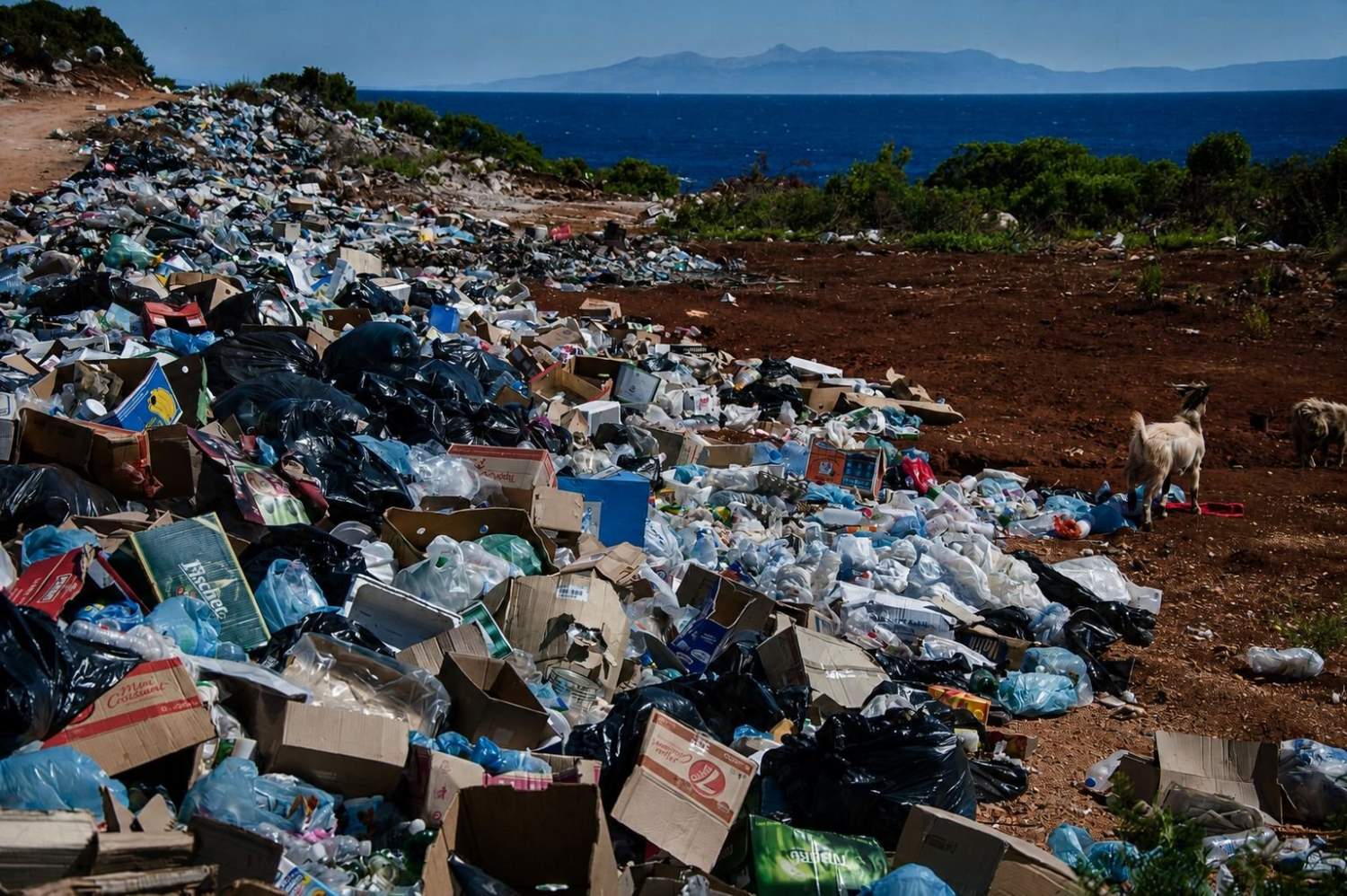
The dispute also sits within a longer argument over funding. Local authorities have pressed for annual state grants to municipalities to be raised, from around 117 million euros towards 170 million, arguing that inflation and rising operational demands have outstripped current support, while a separate government proposal for a landfill tax has drawn municipal objections that it would add charges before the underlying problems are fixed. The backdrop is a system still heavily dependent on burial, around 68% of municipal waste in Cyprus currently ends up in landfill, against an EU target of reducing that to 10% by 2035.
The Union’s demand
The Union of Cyprus Municipalities said it had already requested an official meeting with the new Agriculture, Rural Development and Environment Minister, and called for the immediate presentation of a comprehensive and workable national plan with a clear timetable, adequate funding and a clear division of responsibilities. The green transition was a shared goal and a necessity, it said, but could not be achieved through unilateral announcements and timeframes that did not match the real capacity to deliver. The government, it said, must first secure the necessary infrastructure and resources; municipalities and citizens could not pay the cost of state unpreparedness.

