


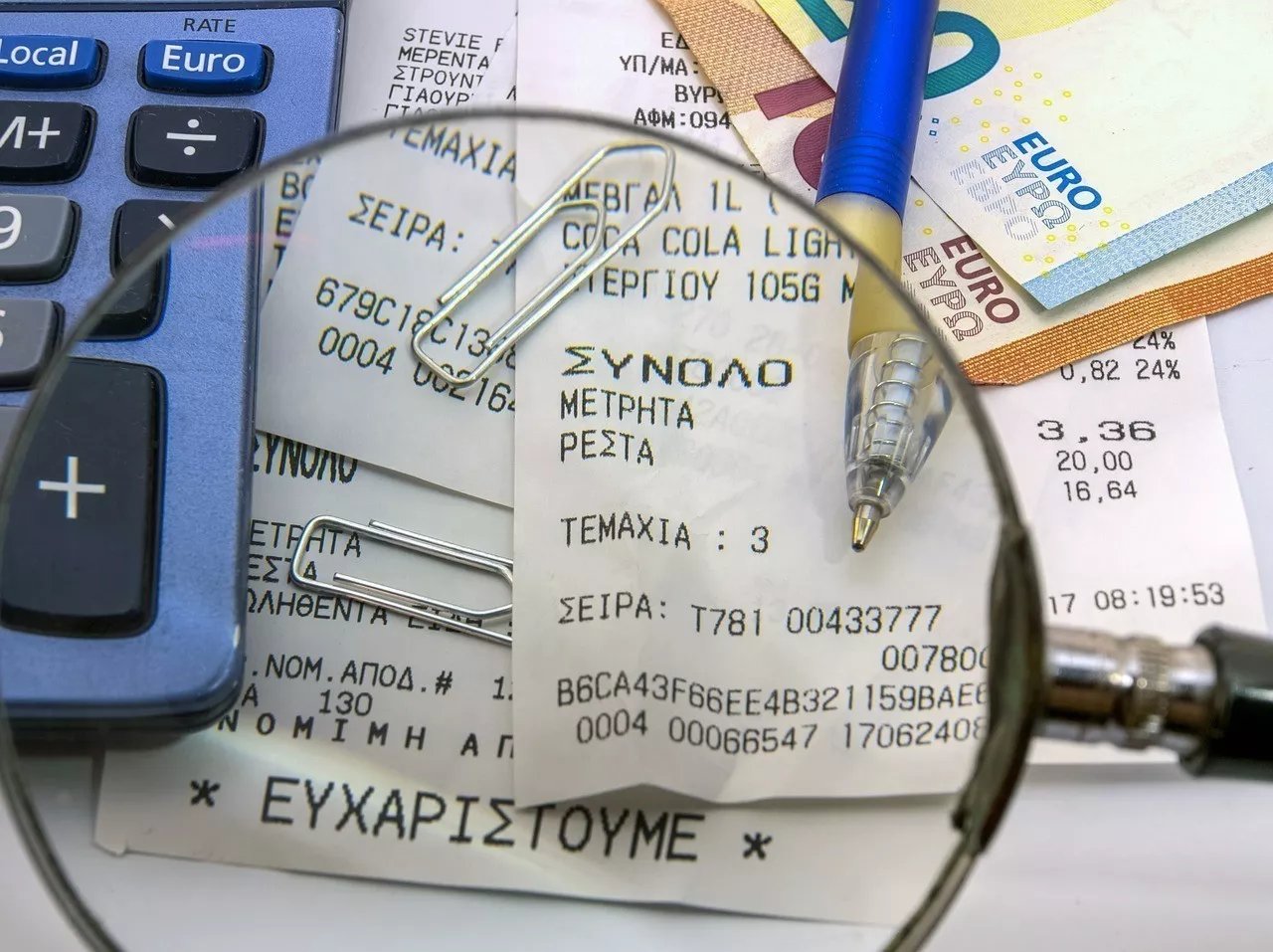
The Tax Department has found that 60 per cent of businesses checked in coastal areas, which draw large numbers of visitors over the summer holidays, were breaking the law, as the department steps up its checks and catches a growing number of violators.
Many businesses continue not to accept credit card payments, on top of the receipt violations.
Targeted checks
The checks focused on specific categories of business: sea sports and boat trip operators, souvenir shops, and catering venues in Paphos, Ayia Napa, Protaras and Larnaca. They form part of the business-sealing collection measure that has been in force since last June. Over the past two weeks, because of increased tourist traffic, inspectors have intensified checks on these businesses.
Surprise inspections
Phileleftheros has learned that more than 100 surprise checks were carried out during this period, finding that 60 businesses failed to issue receipts to customers after selling products or providing services. Officers waited outside premises and, once customers had completed their purchases, approached them to ask for the invoices or receipts they had received.
There were also cases of businesses issuing invoices for amounts different from the actual value of the transaction, while inspectors received complaints from taxpayers that some businesses refused card payments for small purchases. In other cases, businesses accepted cash only, hiding income from the state to avoid taxation.
Warning letters
Officers issue businesses that break the rules a first warning letter, giving them 15 days to comply; those that continue to fall foul of the rules receive a second warning letter with a new 15-day deadline. Businesses still flouting the requirement after the second warning are given a further five days to comply.
Once all three deadlines have passed, officers proceed to seal the business premises. The Tax Commissioner lifts the seal once the taxpayer complies and a certificate has been issued. If a taxpayer still fails to comply, the Commissioner has the right to keep the premises sealed for up to 20 days.
Swift compliance
During the check drive, officers were struck by how quickly the first businesses served with warning letters last month came into compliance. In July, when checks for the sealing measure began, officers found that 15 of the 30 businesses checked were breaking the rules.
Following up on this earlier group of businesses, officers found a few days ago that they had stopped violating the rules and were now issuing receipts and accepting card payments. A source told Phileleftheros that officers will check businesses frequently to prevent them falling back into tax violations, adding that citizens have been cooperating well with tax officers, which has strengthened efforts to tackle tax evasion and avoidance.
Big debtors in the crosshairs
The crackdown will not stop with receipt violations. In a second stage, the Tax Department will apply the sealing measure to tax debts exceeding 20,000 euros. A list has already been prepared covering 500 businesses that owe more than 1 million euros in taxes.
These businesses will be targeted in the coming weeks, with the aim of recovering the taxes owed to the state. In addition to the violations above, from January 1, 2027 the sealing measure will also apply to failures to submit tax returns, VAT returns, and tax and contribution withholding declarations.
The Tax Department has given taxpayers a year to settle their tax obligations and submit overdue tax returns.

