


The Ministry of Health has confirmed a case of West Nile virus in Cyprus. According to initial information confirmed by the ministry, the patient is an elderly person currently being treated at Nicosia General Hospital. No further details on the patient’s condition are available for now, and initial indications suggest the person has no recent travel history.
West Nile virus is not transmitted from person to person and spreads exclusively through the bite of an infected mosquito.
Cyprus among high-risk areas
The case comes after the European Centre for Disease Prevention and Control (ECDC) issued a health alert for EU member states following a surge in mosquito-borne diseases across the Mediterranean, which included Cyprus among the high-risk areas. Cyprus had already received a Level 2b risk classification from the ECDC for the transmission of dengue fever, Zika virus and chikungunya.
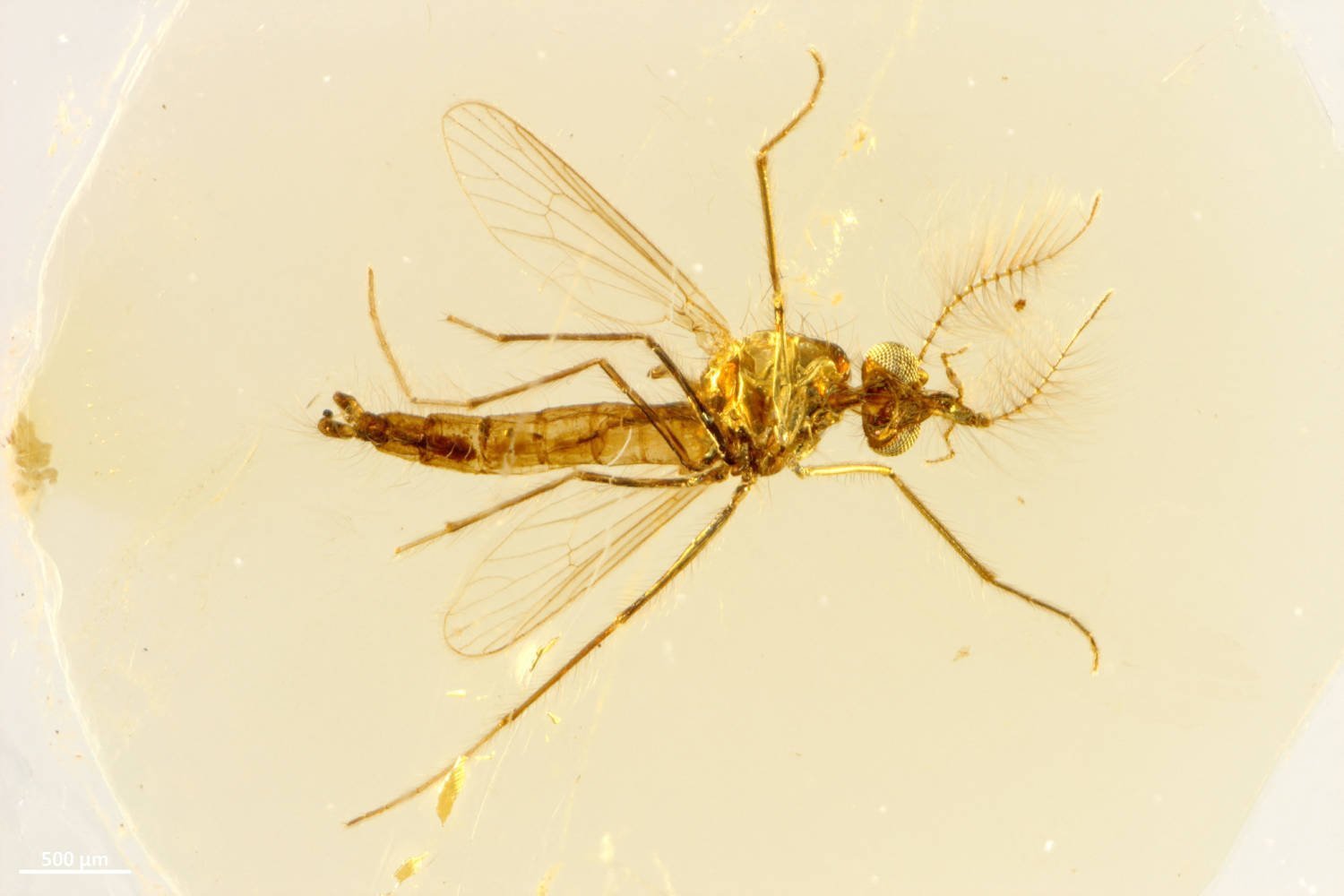
Culex pipiens mosquitoes, the species primarily responsible for West Nile virus transmission, are most active during the summer months, when temperature and humidity conditions favour both the insect and the virus’s replication.
Aedes aegypti mosquitoes, which transmit dengue, chikungunya, Zika and yellow fever, re-established populations in Cyprus in 2022 after decades of absence from Europe, alongside the Asian tiger mosquito, Aedes albopictus, now present across multiple regions of the island.
Climate factors
West Nile virus has caused recurring outbreaks in the Mediterranean since the 1950s, typically resurfacing during the hot season, with birds acting as the virus’s amplifying hosts through both local and long-range migratory movement. Cyprus is a major stop-over site for migratory birds and has a history of previous West Nile virus outbreaks.
According to the ECDC, higher temperatures “prolong the period during which mosquitoes are active, increasing the duration and intensity of transmission” of vector-borne viruses. Research cited by the agency shows mosquito biting frequency triples as temperatures rise from 20 degrees Celsius to 30 degrees Celsius, while climate models predict Aedes mosquitoes will advance northward at six kilometres a year by 2050, three-and-a-half times faster than historical rates.
There is currently no vaccine for West Nile virus in humans.
The fact that infected mosquitoes carrying the virus are present in Cyprus is very serious and requires the mobilisation of the authorities.
Read more:

